
Plot Summary
Shadows and Second Chances
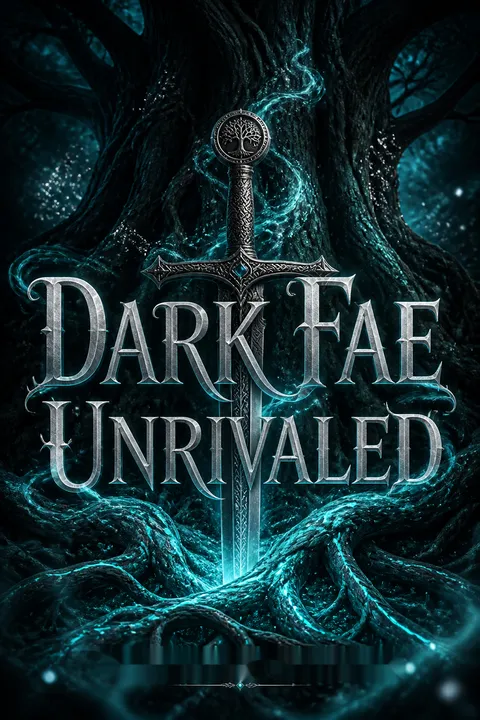
After a near-fatal battle, Lucinda Morrow, exiled dark fae, returns to her allies on Mosi's island, grappling with the darkness that saved her life. Her bond with Finn, her mate, aches with absence, and she's tormented by the sword that both revived and now obsesses her. Lucinda's inner voice, a manifestation of her rage and trauma, urges violence and distrust, especially toward Olida, the healer who may have tampered with her mind. As Lucinda seeks answers, she's forced to confront the shifting boundaries between who she was, who she is, and who she might become. The chapter sets the stage for a journey of self-discovery, trust, and the struggle to control the darkness within.
The Darkness Within
Lucinda's internal battle intensifies as she confronts Olida and Mosi, demanding the truth about her altered state. The darkness inside her, once a tool for survival, now threatens to consume her, pushing her toward violence even against those she cares for. Finn and her friends intervene, stripping her of the sword and forcing her to face the agony of separation from both her weapon and her mate. The group's trust is fragile, and Lucinda's sense of self is fractured. Only by accepting help and questioning her own motives does she begin to see that healing requires vulnerability, not just strength.
Bonds and Betrayals
The arrival of Yury, the enigmatic sorcerer, brings new revelations: Lucinda's darkness is not entirely her own, but a poison amplified by the sword and Zephyr's castle. Yury proposes a dangerous ritual to strip her of this foreign magic, but Lucinda resists, fearing the loss of her power and identity. Meanwhile, Ivy's lingering poison and the group's tangled loyalties threaten to unravel their unity. Lucinda must decide whether to trust her friends and risk change, or cling to the rage that has always protected her. The chapter explores the cost of trust and the pain of betrayal, both real and perceived.
Poisoned Magic, Poisoned Hearts
Yury's ritual to remove the darkness from Lucinda is brutal, forcing her to confront the raw agony of her divided self. The darkness fights back, nearly destroying her and those around her. In the aftermath, Lucinda is left weakened but free from the worst of the poison, though guilt and uncertainty linger. Ivy's own battle with poison mirrors Lucinda's struggle, highlighting the interconnectedness of their fates. The group's bonds are tested by pain, but moments of empathy and forgiveness begin to heal old wounds. Lucinda starts to glimpse the possibility of a self not defined by anger or fear.
Choosing to Heal
As Lucinda recovers, she is haunted by vivid dreams and the emptiness left by the absence of her inner darkness. Finn's unwavering support and the acceptance of her friends offer her a new foundation. The group prepares for the final confrontation with Zephyr, but first, Lucinda must help Ivy face her own poison. The healing process is messy and uncertain, but Lucinda's willingness to accept help—and to help others—marks a turning point. She begins to see that true strength lies in connection, not isolation, and that healing is a choice made every day.
The Sword's True Price
With the sword now sealed and poisoned, Lucinda prepares to use it as a weapon against Zephyr. Yury's modifications make the blade both a tool of justice and a symbol of the cost of power. Lucinda learns that every act of healing or resurrection comes at a price: a piece of her own soul. This revelation forces her to reconsider the nature of sacrifice and the limits of her abilities. The chapter explores the tension between destiny and choice, and the realization that even the greatest power cannot save everyone.
Allies and Old Wounds
The group reunites with old allies, including the enigmatic Victor and the nature fae Ash. Lucinda's relationships deepen as she reconciles with Neva, who reveals her own history of violence and redemption. The mother tree, Maia, becomes both a literal and symbolic source of healing, guiding Lucinda to accept her scars and embrace her worth. The chapter is a meditation on forgiveness—of others and of oneself—and the importance of community in the face of overwhelming odds.
The Mother Tree's Wisdom
Lucinda's connection with the dying mother tree becomes a crucible for transformation. Through Maia's guidance, Lucinda confronts her deepest fears and learns to draw strength from love rather than anger. The act of healing the tree is both a magical and emotional rebirth, freeing Lucinda from the last vestiges of Zephyr's poison. The experience leaves her changed—scarred but worthy, powerful yet compassionate. The land's renewal mirrors her own, and she emerges ready to face the final battle.
Reforged by Light
The aftermath of healing the mother tree brings new challenges. Finn, having absorbed some of the darkness, must be saved by Neva's light magic and Ash's elemental power. The process is harrowing, but it cements the group's unity and Lucinda's commitment to her new path. The chapter explores the interplay of light and dark, the necessity of both in forging true strength, and the redemptive power of love. Lucinda and Finn's bond deepens, and the group prepares for the confrontation with Maeve, the fae-witch.
The Witch's Last Stand
The battle with Maeve is fierce and personal, forcing Lucinda to use all she has learned. Maeve's jealousy and rage are a dark mirror to Lucinda's own past, but Lucinda now fights with clarity and compassion. With help from the sea queen Alana and her friends, Lucinda defeats Maeve, ending her threat and freeing the land from her corruption. The victory is bittersweet, marked by loss and the realization that power must be wielded responsibly. Lucinda's acceptance of her role as protector, not destroyer, signals her final transformation.
Losses and Leadership
The aftermath of the battle brings both triumph and grief. Maddox's death is a devastating blow, and Lucinda is forced to confront the limits of her power and the inevitability of loss. The fae realm begins the process of choosing new leadership, with Mosi and Olida emerging as the people's choice. Lucinda, once defined by vengeance, now seeks to build rather than destroy. The chapter is a meditation on the cost of victory, the burden of leadership, and the hope that comes from collective healing.
The Weight of Grief
Lucinda is consumed by guilt over the lives lost in the battle, especially Maddox. Neva helps her see that grief is not a weakness, and that the sacrifices made were not in vain. The chapter delves into the complexities of survivor's guilt, the struggle to forgive oneself, and the importance of honoring the fallen by living fully. Lucinda's journey through grief is raw and honest, but ultimately leads to a place of acceptance and renewed purpose.
Forgiveness and Farewells
As the fae realm rebuilds, Lucinda says goodbye to old friends and old versions of herself. Neva returns to her people, Ivy finds new purpose, and Lucinda chooses to leave the fae realm for Earth, seeking closure and a new beginning with Finn. The farewells are bittersweet, but marked by gratitude and hope. Lucinda's willingness to let go of the past—and to forgive herself—opens the door to a future defined by love rather than loss.
A New Dawn for Fae
Under Mosi and Olida's leadership, the fae realm begins to heal. The people choose their leaders, and the scars of the past become the foundation for a more just and compassionate society. Lucinda's legacy is one of transformation: from weapon to healer, from exile to hero. The chapter celebrates the power of community, the resilience of the fae, and the promise of a brighter future.
Unrivaled, Unbroken
Lucinda and Finn, now free from the shadows of their pasts, build a life together on Earth. Their love, once forged in pain, becomes a source of joy and stability. Visits from friends and reminders of their journey keep them grounded, but they are no longer defined by trauma. Lucinda's acceptance of her worth and Finn's unwavering devotion are the heart of their new beginning.
Love Beyond Darkness
In the quiet moments after battle, Lucinda and Finn explore the depths of their bond. Their intimacy is both physical and emotional, a testament to the healing they have achieved. Lucinda, once afraid to love or be loved, finally confesses her feelings, breaking the last barrier between her and happiness. The chapter is a celebration of vulnerability, trust, and the transformative power of love.
The Cost of Victory
The scars of war linger, but Lucinda and her friends find ways to honor those they lost. The mother tree's gift serves as a reminder of the interconnectedness of all life, and the importance of using power wisely. The chapter reflects on the lessons learned: that victory is never without cost, but that healing is possible when people come together with compassion and courage.
Home in the Light
Lucinda, once defined by exile and rage, now chooses her own path. Surrounded by friends and loved ones, she embraces a life of purpose, joy, and self-acceptance. The fae realm thrives under new leadership, and Lucinda's story becomes a beacon of hope for others. The final chapter is a testament to the resilience of the human (and fae) spirit, and the enduring power of love to heal even the deepest wounds.
Analysis
Dark Fae Unrivaled is a story of transformation, both personal and communal. At its core, it is about the struggle to reclaim agency after trauma, the courage to trust others, and the necessity of embracing both light and darkness within oneself. Heather Renee uses the conventions of urban fantasy—magic, battles, and supernatural politics—to explore deeply human themes: the cost of survival, the pain of loss, and the redemptive power of love. The narrative's focus on healing, both magical and emotional, challenges the notion that strength is found only in violence or isolation. Instead, the book argues that true power comes from vulnerability, connection, and the willingness to change. The lessons are clear: forgiveness is essential, leadership is a burden best shared, and the future is shaped not by destiny, but by the choices we make every day. In a world scarred by tyranny, Lucinda's journey from weapon to healer offers hope that even the most broken can become whole—and that, together, we can build something better from the ashes of the past.
Review Summary
Dark Fae Unrivaled receives overwhelmingly positive reviews, averaging 4.33/5 stars. Readers consistently praise Lucinda's character growth throughout the trilogy, her evolving relationship with Finn, and the satisfying series conclusion. The epilogue receives particular acclaim. Supporting characters, especially Neva and Ivy, are fan favorites with many requesting spin-offs. Minor criticisms include pacing issues, a rushed final battle, and some finding Lucinda's attitude grating. Most agree the world-building is exceptional and the series delivers action, romance, humor, and emotional depth.
People Also Read

Characters
Lucinda Morrow
Lucinda is the heart of the story—a dark fae exiled for her violence, shaped by trauma and betrayal. Her journey is one of self-discovery, as she battles the literal and metaphorical darkness within her. Lucinda's relationships—with Finn, Neva, Ivy, and others—force her to confront her fears of vulnerability and loss. Her psychoanalysis reveals a woman who has used anger as armor, but who ultimately learns that true strength lies in compassion and connection. Lucinda's development is marked by her willingness to accept help, to forgive herself, and to choose love over vengeance. Her arc is a powerful meditation on healing, agency, and the cost of power.
Finn Barlow
Finn is Lucinda's mate and emotional anchor, embodying loyalty, patience, and quiet strength. His bond with Lucinda is both a source of pain and healing, as he navigates her volatility and his own insecurities. Finn's psychoanalysis reveals a man who is not a natural warrior, but who becomes one out of love and necessity. His development is tied to his acceptance of Lucinda's darkness and his refusal to let her face her battles alone. Finn's unwavering support and gentle persistence are crucial to Lucinda's transformation, and his own growth is seen in his willingness to fight for their future.
Neva
Neva is Lucinda's closest friend and moral compass, an elf with a complicated past and immense magical ability. Her calm, thoughtful demeanor masks deep guilt over past violence, and her journey mirrors Lucinda's in many ways. Neva's psychoanalysis reveals a woman who has spent a century running from her mistakes, but who ultimately finds the courage to return home and embrace her true self. Her relationship with Lucinda is one of mutual respect and growth, and her presence is a stabilizing force throughout the story.
Ivy Barlow
Ivy, Finn's sister, is a healer whose own poisoning and trauma parallel Lucinda's struggles. Her journey is one of reclaiming agency after victimization, and her relationship with Maddox provides both joy and heartbreak. Ivy's psychoanalysis highlights her capacity for forgiveness and her determination to find happiness despite loss. Her development is marked by her willingness to accept help, to fight for her own healing, and to support others in their darkest moments.
Mosi Albyn
Mosi is the wise, enigmatic leader of the fae resistance, whose visions guide the group's actions. His calm authority and deep compassion make him a natural leader, but his knowledge of the future is both a gift and a curse. Mosi's psychoanalysis reveals a man who carries the weight of others' destinies, often at great personal cost. His relationship with Olida and his mentorship of Lucinda are central to the story's themes of leadership, sacrifice, and hope.
Olida
Olida is Mosi's mate and the group's healer, whose interventions are both lifesaving and controversial. Her actions—especially in silencing Lucinda's darkness—raise questions about consent and the ethics of healing. Olida's psychoanalysis reveals a woman who is fiercely protective, sometimes to a fault, but whose wisdom and warmth are essential to the group's survival. Her development is seen in her willingness to admit mistakes and to support Lucinda's autonomy.
Yury
Yury is an outsider whose magical expertise is crucial to the group's success. His brusque manner and mysterious motives make him both a source of tension and a catalyst for healing. Yury's psychoanalysis reveals a man who hides vulnerability behind sarcasm, but who ultimately chooses to help out of a sense of responsibility and perhaps affection. His relationship with Lucinda is antagonistic but respectful, and his actions force her to confront the true cost of power.
Maddox
Maddox is Ivy's partner and a warrior whose loyalty and courage are unwavering. His death is a pivotal moment, forcing the group to confront the limits of their power and the inevitability of loss. Maddox's psychoanalysis reveals a man who loves deeply and fights selflessly, embodying the story's themes of sacrifice and the price of victory.
Victor
Victor is the leader of the feathered fae, whose charisma and power are both alluring and intimidating. His role is to challenge Lucinda and Finn, offering a different perspective on leadership and community. Victor's psychoanalysis reveals a being who has chosen isolation for safety, but who is willing to risk everything for the greater good. His interactions with Lucinda highlight the importance of self-acceptance and the dangers of pride.
Zephyr
Zephyr is the story's primary antagonist, a manipulative and cruel ruler whose actions have shaped Lucinda's life. His psychoanalysis reveals a man driven by fear, control, and a need to dominate. Zephyr's relationship with Lucinda is complex—part father figure, part tormentor—and his downfall is both a personal and political victory. His death marks the end of an era and the beginning of a new one for the fae realm.
Plot Devices
Duality of Light and Dark
The narrative structure hinges on Lucinda's internal struggle between her dark, violent instincts and her emerging capacity for love and healing. This duality is mirrored in the magical systems (light vs. dark magic), the poisoned sword, and the relationships between characters. Foreshadowing is used to hint at the cost of power and the necessity of balance, culminating in Lucinda's transformation through the mother tree and her acceptance of both her scars and her worth.
The Bond
The mate bond between Lucinda and Finn is a central plot device, driving both conflict and resolution. It serves as a metaphor for the risks and rewards of intimacy, and its physical and emotional manifestations force Lucinda to confront her fears of dependence and loss. The bond's pain and healing properties are used to heighten tension and to underscore the story's themes of trust and interdependence.
The Poisoned Sword
The sword, both a literal weapon and a vessel for dark magic, represents the temptation to use violence as a solution. Its modifications—sealing, poisoning, and the revelation that it exacts a price from its wielder—serve as plot twists that force Lucinda to reconsider her approach to conflict. The sword's role in Zephyr's defeat is both a triumph and a warning about the dangers of unchecked power.
Healing as Sacrifice
Lucinda's ability to heal or resurrect comes at the cost of her own soul, a plot device that raises the stakes and complicates her choices. This device is used to explore the limits of altruism, the inevitability of loss, and the importance of self-care. The revelation that healing cannot save everyone is a turning point, forcing Lucinda to accept her own humanity and the necessity of boundaries.
Found Family and Chosen Community
The narrative structure emphasizes the importance of found family—Lucinda, Finn, Neva, Ivy, and others—as a source of resilience and hope. The group's shifting alliances, betrayals, and reconciliations are used to explore the complexities of trust and the necessity of forgiveness. The eventual unity of the fae realm under new leadership is both a plot resolution and a thematic statement about the power of community.
About the Author
Other books by Heather Renee

Download PDF
Download EPUB
.epub digital book format is ideal for reading ebooks on phones, tablets, and e-readers.








































