
Plot Summary
Coffee, Confessions, and a Note
Tori meets her anxious friend Phoebe at a coffee shop, where a cryptic note about Tori's foster brother Marcus's death is revealed. Tori, who knows the truth—she killed Marcus—tries to calm Phoebe, but the note's mysterious delivery unsettles them both. Tori's world is already precarious, balancing her own guilt and the dangerous men in her life. The note is a catalyst, stirring paranoia and suspicion, and setting off a chain of events that will test loyalties and unravel hidden truths. The emotional tension is palpable, as Tori's attempt to maintain control is threatened by the resurfacing of her darkest secret.
Mafia Ties and Family Lies
Tori is swept into the volatile world of her lover Dmitry, a mafia heir, as he navigates business, family expectations, and the fallout from Marcus's disappearance. Dmitry's father returns, pressuring him about his broken engagement to Vivian and his relationship with Tori. The family's criminal enterprise is at stake, and Tori is thrust into the spotlight, forced to play the role of dutiful partner while feeling like an outsider. The tension between old loyalties and new love is heightened by the ever-present threat of exposure, as Tori's past actions threaten to destroy the fragile balance she and Dmitry have built.
Charity Ball, Public Scorn
At a high-profile charity event, Tori faces Dmitry's father and Vivian, his ex-fiancée. The evening is a minefield of veiled insults, jealousy, and power plays. Tori's insecurities are amplified by Vivian's taunts and Dmitry's father's contempt. A public confrontation erupts, leading to humiliation and a violent outburst. Dmitry's loyalty is tested as he struggles to protect Tori while maintaining his own authority. The event becomes a crucible, exposing the cracks in their relationship and the dangers of living in a world where appearances are everything and trust is a rare commodity.
Jealousy, Power, and Punishment
Tori's impulsive behavior and Dmitry's need for control collide in a series of escalating punishments and sexual power plays. Their relationship is a volatile mix of passion, jealousy, and dominance, with Tori pushing boundaries to provoke a reaction and Dmitry responding with both tenderness and violence. The lines between love and possession blur, as both struggle with their own insecurities and the expectations of the criminal world around them. The emotional stakes are raised as Tori's self-destructive tendencies threaten to spiral out of control, and Dmitry's methods of discipline become increasingly severe.
Therapy, Triggers, and Truths
At Dmitry's insistence, Tori begins therapy with Harriet, a tough, no-nonsense counselor familiar with the criminal underworld. The sessions force Tori to confront her trauma, guilt over Marcus, and her patterns of self-sabotage. Harriet's probing questions reveal the depth of Tori's pain and her struggle to feel worthy of love. Meanwhile, Dmitry grapples with his own inability to "fix" Tori, realizing that love alone cannot heal her wounds. The therapy sessions become a battleground for Tori's identity, as she oscillates between vulnerability and defiance, desperate for both independence and connection.
Dangerous Games, Shattered Trust
A series of anonymous notes and suspicious events push Tori to the brink. Her paranoia grows as she suspects someone close is trying to frame her or drive her mad. Dmitry's trust in her wavers, and their relationship is strained by secrets and half-truths. The criminal world's dangers become personal, as Tori's mental health deteriorates and her support system fractures. The sense of isolation is overwhelming, and Tori's desperate attempts to regain control only deepen the rift between her and Dmitry, setting the stage for a devastating betrayal.
The Note, the Breakdown
After witnessing Dmitry with Vivian at a masquerade ball, Tori's fragile stability shatters. Feeling abandoned and betrayed, she spirals into a self-destructive episode, culminating in a suicide attempt. The aftermath is harrowing: Dmitry is wracked with guilt, and Tori is hospitalized, her pain laid bare for all to see. The event is a turning point, forcing both to confront the consequences of their actions and the depth of their emotional wounds. The hospital becomes a place of reckoning, where love, regret, and the need for healing collide.
Masquerade, Misunderstandings, and Madness
Dmitry, convinced by others that Tori is a danger to herself, agrees to have her sectioned in a private facility. Unbeknownst to him, this is a trap orchestrated by his father and Vivian, who seek to remove Tori from his life permanently. Tori, betrayed by the man she loves, is powerless as she's handed over to her enemies. The sense of helplessness and injustice is overwhelming, as Tori realizes she's been outmaneuvered by those who see her as a threat to their power and legacy.
Sectioned, Betrayed, and Gone
Tori awakens not in a hospital, but in captivity, drugged and restrained by Vivian, Dmitry's father, and their inside man, Nik. She is subjected to psychological torment, denied food and dignity, and made to question her own sanity. The betrayal cuts deep, as Tori realizes Dmitry's trust in her was so fragile that he handed her over without question. Meanwhile, Dmitry is kept in the dark, manipulated by those closest to him, and begins to suspect something is amiss only when it may be too late.
The Trap Behind Closed Doors
As Tori's captivity drags on, she uncovers the full extent of the conspiracy against her. Vivian's jealousy and Vladimir's obsession with control are laid bare, and Nik's betrayal is confirmed. Tori's pregnancy is revealed, complicating her fate and giving her a new reason to fight for survival. The psychological warfare intensifies, but Tori's resilience grows as she clings to hope that Dmitry will find her. The chapter is a testament to endurance in the face of overwhelming odds.
Unmasking the Enemy Within
Dmitry, with Marshall's help, uncovers the truth about Tori's disappearance and the web of betrayal spun by his father, Vivian, Nik, and even Tori's therapist. The rescue mission is brutal and cathartic, as Dmitry exacts violent retribution on those who wronged them. The emotional toll is immense, as Dmitry is forced to confront his own failures and the consequences of misplaced trust. The reunion with Tori is bittersweet, marked by relief, guilt, and the scars of trauma.
Rescue, Revenge, and Reckoning
Tori is freed from captivity, but the ordeal has left her physically and emotionally shattered. Dmitry's vengeance is swift and merciless, but the victory is hollow. The couple must navigate the aftermath, grappling with the damage done to their relationship and the uncertainty of their future. The theme of survival is central, as both Tori and Dmitry are forced to reckon with the choices that brought them to this point and the cost of loving in a world defined by violence and betrayal.
Homecoming, Heartbreak, and Goodbye
Back at the manor, Tori and Dmitry attempt to rebuild, but the wounds run deep. Tori, now pregnant, realizes that love alone cannot erase the pain or guarantee safety. She chooses to leave, prioritizing her own well-being and that of her unborn child. Dmitry is left devastated, forced to confront the reality that his world may never be safe for the woman he loves. The story ends on a note of bittersweet hope, as both characters face the future apart, changed by all they have endured.
Analysis
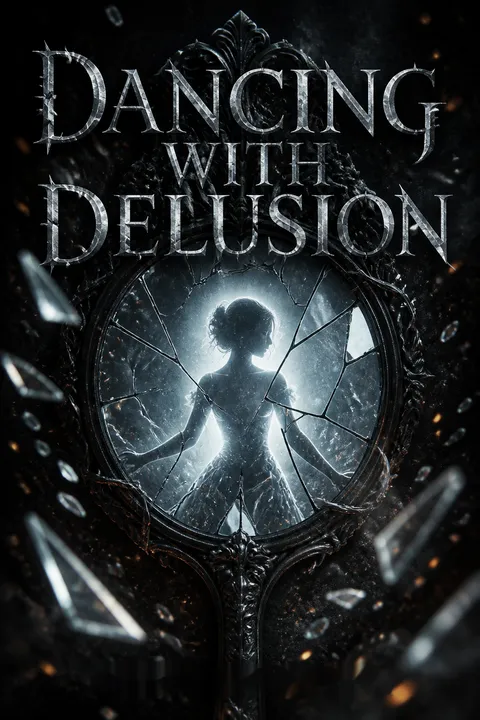
A modern gothic of trauma, power, and survivalDancing with Delusion is a raw, unflinching exploration of love and madness in the shadow of organized crime. At its core, the novel interrogates the ways trauma shapes identity and the desperate, often destructive, strategies we use to survive. Tori's journey is emblematic of the struggle to reclaim agency in a world determined to define her by her wounds. The novel refuses easy answers: love is not a panacea, and healing is neither linear nor guaranteed. The interplay of power—sexual, familial, and criminal—exposes the fragility of trust and the dangers of conflating possession with devotion. The story's relentless pace and emotional intensity mirror the chaos of its characters' lives, while the focus on therapy and mental health grounds the narrative in contemporary concerns. Ultimately, Dancing with Delusion is a cautionary tale about the costs of loving in a world where loyalty is weaponized, and the greatest act of courage may be choosing to walk away.
Review Summary
Dancing with Delusion, the second book in the Distraction Series, receives mixed reviews with an overall 4.25/5 rating. Readers praise the engaging plot featuring Dmitry and Tori's toxic mafia romance, filled with BDSM, suspense, and manipulation by Vladimir and Vivian. However, many criticize the frustrating cliffhanger ending and Tori's character, finding her childish and annoying. Some appreciate the steamy scenes and unpredictable twists, while others struggle with the darker themes of forced medication and gaslighting. Most agree it's not a standalone and requires reading book one first.
Characters
Tori (Victoria Harding)
Tori is a complex, deeply wounded woman whose life has been shaped by trauma, neglect, and violence. Her relationship with Dmitry is both a source of passion and pain, as she oscillates between craving love and sabotaging it out of fear and insecurity. Tori's psychological struggles—manifested in impulsivity, self-harm, and paranoia—are both her greatest vulnerability and her source of resilience. Her journey is one of seeking agency in a world determined to control her, and her ultimate decision to leave Dmitry is an act of self-preservation and growth. Tori's connections to other characters—her fraught friendship with Phoebe, her antagonism with Vivian, and her complicated loyalty to Marshall—underscore her longing for belonging and her fear of abandonment.
Dmitry Volkov
Dmitry is a man torn between the demands of his criminal legacy and his desire for genuine connection. His love for Tori is fierce but often possessive, and his attempts to "fix" her reveal both his devotion and his limitations. Dmitry's struggle to balance power, loyalty, and vulnerability is at the heart of the novel's emotional arc. His inability to trust fully, especially when manipulated by his father and Vivian, leads to catastrophic consequences. Dmitry's journey is one of reckoning—with his own complicity, his family's sins, and the realization that love cannot be forced or controlled.
Vivian
Vivian is the embodiment of the dangers of envy and entitlement. Once Dmitry's fiancée, she is consumed by resentment toward Tori and will stop at nothing to reclaim her place. Vivian's actions—ranging from psychological warfare to outright violence—are driven by a toxic mix of love, pride, and desperation. Her alliance with Dmitry's father and her role in Tori's captivity reveal the depths of her ambition and her willingness to destroy what she cannot have. Yet, beneath her villainy lies a profound sense of loss and inadequacy.
Vladimir Volkov (Dmitry's Father)
Vladimir is the architect of much of the novel's conflict, orchestrating schemes to maintain control over his son and the family empire. His disdain for Tori is rooted in his belief that she threatens the order and legacy he has built. Vladimir's manipulations are cold and calculated, but his actions are also driven by a twisted sense of love and duty. He is both a formidable adversary and a cautionary figure, representing the dangers of unchecked power and the cost of prioritizing legacy over humanity.
Marshall
Marshall is Dmitry's right-hand man, tasked with protecting Tori even as he is caught in the crossfire of their volatile relationship. His loyalty is unwavering, but he is not blind to the dysfunction around him. Marshall's empathy for Tori and his willingness to challenge Dmitry's decisions make him a rare voice of reason in a world ruled by violence and pride. His own suffering—enduring punishment for Tori's actions—underscores the collateral damage of the central couple's chaos.
Nik
Nik is a long-standing member of Dmitry's inner circle, whose betrayal is both shocking and inevitable. Manipulated by Vladimir, Nik's actions are motivated by loyalty to the old order and a belief that Dmitry's love for Tori is a threat to the family's stability. His duplicity is a reminder of the dangers of blind allegiance and the ease with which trust can be weaponized.
Phoebe
Phoebe is Tori's steadfast friend, offering support and tough love even as she is drawn into the web of lies and violence. Her concern for Tori's well-being is genuine, but she is ultimately powerless to protect her from the forces arrayed against her. Phoebe's presence highlights the importance of chosen family and the limits of friendship in the face of overwhelming adversity.
Harriet Steele
Harriet is introduced as a tough, competent therapist, but her involvement in Tori's downfall reveals the extent to which even professionals can be compromised. Her actions—signing off on Tori's false hospitalization—are motivated by fear and coercion, and her eventual fate is a grim reminder of the costs of complicity.
Marcus
Marcus's death is the inciting incident that sets the entire plot in motion. His history of abuse and manipulation haunts Tori, fueling her guilt and paranoia. Though physically absent, Marcus's presence is felt throughout the novel, a ghostly reminder of the past's power to shape the present.
Vladimir's Criminal Circle
The unnamed men who serve Vladimir and enforce his will are ever-present threats, embodying the dangers of a world where loyalty is transactional and violence is routine. Their actions—spying, kidnapping, and enforcing discipline—underscore the pervasive sense of surveillance and danger that defines Tori and Dmitry's world.
Plot Devices
Dual Narration and Shifting Perspectives
The novel employs a dual narrative structure, alternating between Tori and Dmitry's points of view. This device allows readers to experience the story's emotional highs and lows from both sides, deepening empathy and highlighting the misunderstandings that drive the plot. The shifting perspectives also create dramatic irony, as readers are privy to secrets and motivations unknown to the characters themselves, heightening tension and suspense.
Letters, Notes, and Anonymous Threats
The recurring motif of anonymous notes and letters serves as both a plot catalyst and a symbol of Tori's unraveling sense of reality. These messages are used to manipulate, gaslight, and isolate her, foreshadowing the larger conspiracy against her. The ambiguity surrounding their origin keeps both Tori and the reader guessing, blurring the line between paranoia and genuine threat.
Therapy and Mental Health
Therapy sessions with Harriet function as both exposition and character development, revealing Tori's inner turmoil and the roots of her self-destructive behavior. The focus on mental health—diagnosis, medication, and the stigma of "madness"—is both a plot device and a thematic concern, challenging the reader to question the boundaries between sanity and survival in a world that is itself insane.
Power Dynamics and BDSM
The erotic elements of the novel are not merely titillating but serve to explore the dynamics of power, trust, and surrender. The BDSM scenes are both a metaphor for and a literal enactment of the struggle for control that defines Tori and Dmitry's relationship. These moments of intimacy are fraught with danger, as the line between pleasure and punishment is constantly negotiated and renegotiated.
Betrayal and the Unreliable Ally
The plot is driven by a series of betrayals—by family, friends, and lovers. The revelation of Nik's duplicity, Harriet's complicity, and Vivian's machinations keeps the reader off-balance and underscores the novel's central question: who can be trusted in a world built on lies? The constant threat of betrayal creates a pervasive sense of paranoia and suspense.
Rescue and Revenge
The climactic rescue of Tori is both a literal and symbolic act of redemption for Dmitry, but it is also marked by violence and moral compromise. The revenge exacted on those who wronged them is brutal and uncompromising, raising questions about justice, forgiveness, and the possibility of healing in a world defined by cycles of violence.
Download PDF
Download EPUB
.epub digital book format is ideal for reading ebooks on phones, tablets, and e-readers.








































