
Summary Temporarily Unavailable
This summary is temporarily unavailable and is currently being updated. You can still explore the FAQs and other metadata below.
Plot Summary
Arrival at the Edge
The unnamed narrator, fleeing a world that has betrayed him, arrives at a remote, wind-battered island near Antarctica to serve as a weather official. The landscape is bleak, the ocean cold, and the only structures are a lonely cottage and a lighthouse. The captain who brings him is wary, sensing the island's ominous silence and the absence of the previous weather official. The narrator, driven by disillusionment and a need for escape, is left with supplies and books, facing a year of solitude. The sense of foreboding is palpable, as the island's emptiness hints at hidden dangers and the psychological cost of isolation.
The Missing Predecessor
The narrator and the captain investigate the cottage and lighthouse, finding the former abandoned and the latter inhabited by the surly, unkempt Gruner. Gruner refuses to explain the fate of the previous weather official, responding with cryptic, evasive answers. The house shows signs of hasty abandonment and violence, while Gruner's lighthouse is fortified with bizarre defenses. The captain offers the narrator a chance to leave, but pride and curiosity keep him on the island. The narrator is left alone, haunted by the mystery of his predecessor's disappearance and the strange, hostile atmosphere.
Gruner's Fortress
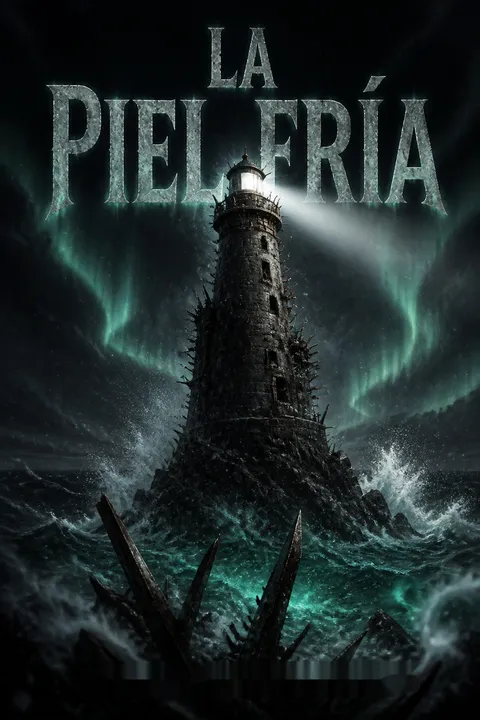
The narrator attempts to befriend Gruner, but is rebuffed with threats and a shotgun. Gruner's lighthouse is a fortress, bristling with spikes, nails, and glass, and he refuses any cooperation. The narrator, left to his own devices, tries to settle into the cottage, but the sense of menace grows. The island's silence is unnatural, the forest lifeless, and the narrator's attempts at routine are undermined by anxiety. Gruner's madness and hostility seem to be both a warning and a symptom of the island's corrosive effect on the mind.
First Night of Terror
The narrator's first night alone is shattered by an attack from amphibious, humanoid creatures. Their arms, webbed and inhuman, reach through the door and windows, shrieking and howling. The narrator barely survives by barricading himself and fighting back with fire and brute force. The creatures are relentless, their numbers overwhelming, and their blue blood stains the cottage. The night is a blur of terror, violence, and exhaustion. When dawn comes, the monsters vanish, leaving the narrator traumatized and forever changed by the reality of the island's true threat.
Siege and Survival
The narrator, now fully aware of the nightly threat, fortifies the cottage with trenches, spikes, and barricades. He burns his books for fire, sacrificing culture for survival. The attacks continue, each night a battle for life. The narrator's mind frays under the constant siege, sleep deprivation, and fear. Gruner, meanwhile, survives in his lighthouse, refusing to help. The narrator's hatred for Gruner grows, seeing him as both a fellow victim and a callous bystander. The struggle becomes not just against the monsters, but against despair and the erosion of humanity.
Hostility and Isolation
The narrator confronts Gruner, demanding cooperation, but is met with cold indifference and self-serving bartering. Gruner offers only beans and water in exchange for ammunition, revealing his own desperation. The narrator's isolation intensifies, and his attempts at sleep are haunted by nightmares and hallucinations. The monsters' attacks are relentless, and the narrator's physical and mental state deteriorates. The island becomes a crucible, burning away hope and forcing the narrator into a state of animalistic survival, where trust and camaraderie seem impossible.
The Amphibian Hostage
In a desperate gambit, the narrator captures a smaller, female version of the monsters—later called the mascot or Aneris—hoping to use her as leverage against Gruner. The creature is both alien and eerily human, evoking a mix of revulsion, curiosity, and pity. Gruner's reaction reveals a twisted attachment; the mascot is his companion, servant, and sexual partner. A violent standoff ensues, but necessity forces the two men into an uneasy truce. The presence of the mascot complicates the boundaries between enemy and ally, human and monster.
Uneasy Alliance
With the monsters' attacks intensifying, the narrator and Gruner join forces, retreating to the lighthouse and pooling their resources. The lighthouse becomes both fortress and prison, its defenses a testament to Gruner's paranoia and ingenuity. The two men develop a grudging respect, their animosity tempered by shared danger. The mascot, now a fixture in their lives, serves as both a warning system and a symbol of their moral ambiguity. The alliance is fraught with tension, as survival demands cooperation but trust remains elusive.
The Mascot's Mystery
The narrator becomes fascinated—and eventually obsessed—with the mascot. He studies her anatomy, behavior, and intelligence, oscillating between scientific detachment and carnal desire. Their relationship becomes sexual, mirroring Gruner's own bestiality, and the narrator is both repelled and enthralled by the pleasure she offers. The mascot remains inscrutable, her motivations and loyalties unclear. The men's rivalry over her deepens, fueling jealousy and violence. The mascot's ambiguous status—pet, lover, enemy—embodies the island's collapse of moral and existential certainties.
War and Winter
As winter descends, the monsters' attacks grow more ferocious and organized. The men's ammunition dwindles, and their defenses are pushed to the limit. The psychological toll is immense: paranoia, insomnia, and rage flare between the survivors. The mascot's presence is both comfort and torment, her indifference highlighting the men's desperation. The island is transformed into a battlefield, the lighthouse a last redoubt. The men's humanity is eroded by violence, and the line between man and monster blurs with each passing night.
The Dynamite Gamble
Discovering dynamite in a shipwreck, the narrator and Gruner hatch a plan to destroy the monsters en masse. The narrator's underwater journey to retrieve the explosives is harrowing, but he is unexpectedly confronted by the monsters' children—playful, innocent, and unafraid. This encounter shakes his convictions, revealing the monsters' capacity for innocence and community. Nevertheless, the men proceed with their plan, laying traps and preparing for a final, apocalyptic battle. The tension between annihilation and understanding reaches its peak.
Massacre and Aftermath
The dynamite is detonated, unleashing carnage on an unimaginable scale. Hundreds of monsters are killed, their bodies littering the island. The men are left shaken, their victory tainted by horror and remorse. The mascot mourns, and the survivors are haunted by the realization that violence has solved nothing. The monsters return, undeterred, and the cycle of siege resumes. The men's relationship fractures, their alliance poisoned by guilt, grief, and the impossibility of escape. The massacre marks the nadir of their humanity.
Children of the Deep
In the aftermath, the monsters' children—Sitauca—emerge, filling the island with their playful presence. Their innocence disarms the men, and for a time, hostilities cease. The narrator bonds with a particularly mischievous child, the Triangle, finding solace and hope in their interactions. The presence of the children forces the men to confront the moral cost of their actions and the possibility of coexistence. Yet the truce is precarious, and the threat of renewed violence looms.
Truce and Tension
The children's presence brings a respite, but also new tensions. Gruner, unable to accept the possibility of peace, prepares for renewed war. The narrator, increasingly attached to the mascot and the children, seeks reconciliation and understanding. The men's rivalry over Aneris intensifies, and their philosophical differences become irreconcilable. The fragile peace is threatened by old habits of violence, jealousy, and mistrust. The island becomes a microcosm of the human struggle between fear and empathy.
The Last Betrayal
The children disappear, signaling the end of the truce. The narrator's attempt to broker peace is sabotaged by Gruner's paranoia and aggression. A violent confrontation erupts between the men, fueled by jealousy over Aneris and the impossibility of coexistence. Gruner, unable to accept change or ambiguity, attacks the narrator and then charges into the monsters' midst, meeting his death. The narrator is left alone, traumatized and bereft, his hopes for peace shattered by human frailty.
Gruner's End
The narrator mourns Gruner, despite their enmity, recognizing the bond forged by shared suffering. Alone with Aneris, he is confronted by her indifference and the futility of his desires. The island is silent, the monsters absent, and the narrator is left to confront the emptiness within himself. His attempts to connect with Aneris fail, and he is forced to accept the unbridgeable gulf between them. The cycle of violence and longing seems endless, and the narrator's sense of self dissolves in the cold, indifferent landscape.
Alone with Aneris
The narrator's relationship with Aneris becomes increasingly fraught, marked by violence, longing, and despair. He oscillates between tenderness and brutality, seeking meaning in her presence but finding only alienation. Aneris remains enigmatic, her motivations inscrutable, and the narrator is forced to confront the limits of understanding and love. The monsters return, but do not attack, and the narrator is left in a state of suspended animation, waiting for an end that never comes.
The Next Arrival
A ship finally arrives, bringing a new weather official and a fresh crew. The narrator, now a ghost of his former self, is confronted by the incomprehension of the newcomers. The cycle of isolation, violence, and misunderstanding is poised to repeat. The narrator, changed beyond recognition, warns the new arrival of the island's dangers, but knows that the lessons of the past will be ignored. The story ends with the sense that the island's curse is not the monsters, but the cold skin of the human heart.
Analysis
Cold Skin is a harrowing meditation on the boundaries of humanity, the corrosive effects of isolation, and the seductive power of violence
Through its claustrophobic setting and relentless narrative, the novel interrogates the nature of the Other—whether monster, enemy, or lover—and exposes the thin veneer separating civilization from savagery. The island becomes a crucible where fear, desire, and the need for meaning collide, stripping the characters to their rawest selves. The monsters, initially objects of terror, are revealed as kin, their children's innocence forcing a reckoning with the logic of extermination. The relationships—between the narrator, Gruner, and Aneris—are fraught with ambiguity, desire, and betrayal, mirroring the larger conflict between empathy and enmity. The novel's cyclical structure, with its repeated failures of understanding and peace, suggests that the true horror lies not in the monsters without, but in the cold skin within. In a modern context, Cold Skin resonates as an allegory of xenophobia, war, and the search for connection in a world defined by difference and isolation. Its lesson is both bleak and urgent: to survive, we must confront the monsters in ourselves, and recognize the humanity in those we fear.
Last updated:
Report IssueReview Summary
Cold Skin receives mixed reviews, with many praising its philosophical depth, compelling atmosphere, and exploration of human nature. Readers appreciate its examination of "otherness" and power dynamics. Some find it gripping and thought-provoking, while others criticize its portrayal of violence and gender roles. The book is often described as a blend of horror, adventure, and allegory, drawing comparisons to works by Lovecraft and Golding. Most agree it's not a typical horror novel, but rather a complex narrative addressing themes of isolation, xenophobia, and the cyclical nature of human behavior.
Characters
The Narrator
The unnamed narrator is a young man fleeing political betrayal and personal disillusionment, seeking solace in isolation at the edge of the world. His journey is both physical and existential, as he confronts the limits of reason, morality, and identity. Initially rational and idealistic, he is gradually stripped of his certainties by terror, violence, and desire. His relationship with Gruner oscillates between hatred and camaraderie, while his obsession with Aneris exposes the fragility of human boundaries. The narrator's psychological arc is one of descent—from hope to horror, from empathy to brutality, and finally to a hollow, ambiguous survival. His ultimate realization is the impossibility of true understanding, both of others and of oneself.
Gruner
Gruner, the lighthouse keeper, is a figure of brute resilience and moral ambiguity. Once a weather official himself, he has been transformed by years of isolation and nightly siege into a creature of instinct and suspicion. His fortress is both a physical and psychological defense, and his relationship with the mascot is a disturbing blend of dominance, dependence, and perverse affection. Gruner's worldview is absolutist: survival justifies any cruelty, and the monsters are irredeemable enemies. Yet he is also capable of loyalty, humor, and even moments of insight. His inability to adapt or accept change leads to his downfall, as he is ultimately destroyed by the very violence he perpetuates.
Aneris (The Mascot)
Aneris, the female monster, is the story's most ambiguous figure. Both victim and survivor, she is at once animal and human, object and subject. Her presence destabilizes the men's certainties, provoking desire, jealousy, and violence. Aneris's motivations remain inscrutable; she endures abuse and affection with equal indifference, her loyalties unclear. She is a symbol of the unknown, the limits of empathy, and the impossibility of true communication. Her sexuality is both liberating and alienating, exposing the men's vulnerabilities and the inadequacy of their categories. Aneris embodies the story's central question: what does it mean to be human?
The Sitauca (The Monsters)
The amphibian creatures, called Sitauca, are both threat and mirror. At first, they are faceless enemies, attacking in the night with animal ferocity. Over time, their complexity emerges: they have children, social bonds, and perhaps even language. Their violence is revealed as defensive, their cannibalism as misunderstood. The Sitauca force the humans to confront their own capacity for monstrosity, and their children's innocence challenges the logic of extermination. They are a living metaphor for the unknown, the alien, and the limits of human understanding.
The Captain
The captain who brings the narrator to the island is a minor but significant figure. He is shrewd, compassionate, and skeptical, sensing the dangers that await but respecting the narrator's autonomy. His parting words and secret gift of weapons foreshadow the ordeal to come. The captain represents the world left behind—civilization, reason, and the possibility of kindness, however limited.
The New Weather Official
The young man who arrives at the end is a mirror of the narrator's former self: idealistic, naive, and unprepared for the island's horrors. His brief encounter with the narrator underscores the futility of warning and the inevitability of repetition. He is a symbol of renewal and the tragic persistence of human blindness.
The Triangle
The Triangle, a mischievous Sitauca child, becomes the narrator's companion during the truce. His innocence and playfulness offer a glimpse of redemption and the possibility of coexistence. The loss of the Triangle marks the end of hope and the return to violence, highlighting the fragility of peace and the cost of enmity.
The Crew
The sailors and officers who arrive with the new weather official represent the outside world's indifference and incomprehension. Their brief, disruptive presence underscores the isolation of the island and the impossibility of communication between worlds.
The Monsters' Children
The Sitauca children, with their playfulness and trust, challenge the humans' assumptions about the enemy. Their presence forces a reevaluation of the cycle of violence and the possibility of empathy. They are both a shield and a test, their disappearance signaling the return of war.
The Island
The island itself is a character—a place of exile, testing, and revelation. Its harsh beauty, isolation, and indifference strip the characters to their essence, exposing the raw nerves of fear, desire, and the need for meaning. The island is both prison and mirror, reflecting the cold skin beneath human civilization.
Plot Devices
Isolation as Psychological Crucible
The narrative's remote setting is not just a backdrop but a pressure cooker, intensifying the characters' fears, desires, and conflicts. The absence of civilization strips away social norms, forcing the characters to confront their own nature. The isolation is both physical and existential, making every interaction fraught with meaning and danger.
The Unreliable Enemy
The Sitauca are initially presented as mindless threats, but their true nature is gradually revealed through foreshadowing and shifting perspectives. The discovery of their children, their social bonds, and their capacity for communication undermines the logic of extermination. The monsters become a canvas for the characters' projections, fears, and hopes.
The Hostage Motif
The capture and possession of Aneris drives the plot, exposing the men's rivalries, desires, and moral limits. She is both a pawn and a player, her ambiguous status forcing the characters to question the boundaries between human and monster, love and domination.
Cycles of Violence and Truce
The narrative structure is cyclical: attacks, defenses, truces, betrayals, and renewed violence. Each cycle escalates the stakes, deepening the psychological and moral complexity. The arrival of new characters signals the inevitability of repetition, suggesting that the island's curse is not supernatural but human.
Foreshadowing and Symbolism
The narrative is rich in foreshadowing: the captain's warnings, the missing predecessor, the fortifications, and the recurring motifs of cold, skin, and the sea. Symbolic elements—the lighthouse, the dynamite, the children—serve as touchstones for the story's themes of light and darkness, destruction and renewal, alienation and connection.
Shifting Alliances and Moral Ambiguity
The plot is driven by shifting alliances—between the narrator and Gruner, between man and monster, between violence and empathy. The characters' actions are never purely good or evil; survival demands compromise, and every choice is tainted by necessity and regret. The story resists easy answers, embracing ambiguity and complexity.
About the Author
Albert Sánchez Piñol is a Catalan author and anthropologist born in Barcelona in 1965. His debut novel, Cold Skin, was published in Catalan in 2003 and quickly gained international recognition. The book has been translated into fifteen languages and won the Ojo Critico Narrativa prize upon its original release. Sánchez Piñol's background in anthropology informs his writing, which often explores themes of human nature and societal dynamics. His work has appeared in various journals, showcasing his expertise beyond fiction writing. Cold Skin's success established Sánchez Piñol as a notable figure in contemporary literature, particularly for his ability to blend genres and address complex philosophical questions within engaging narratives.
Download PDF
Download EPUB
.epub digital book format is ideal for reading ebooks on phones, tablets, and e-readers.








































