
Summary Temporarily Unavailable
This summary is temporarily unavailable and is currently being updated. You can still explore the FAQs and other metadata below.
Trama
Across the Great Plain
Seft, the youngest and cleverest son in a family of flint miners, trudges across the vast, sunlit Great Plain with his father and brothers, burdened by both a heavy load and their scorn. His father, Cog, is a hard, unyielding man, and Seft's brothers, Olf and Cam, are bullies. Seft's mind is elsewhere—on Neen, a girl he met at the Spring Rite, whose warmth and kindness have haunted him since. The family's journey is marked by petty cruelties and a prank that leaves Seft carrying extra weight, but he stands up for himself, signaling a new resolve. The landscape is alive with herds and the promise of trade, but for Seft, the journey is also a search for belonging and love, and the first stirrings of a desire to break free from his family's harshness.
The Monument's Sacred Circle
The Great Plain's people converge at the Monument, a sacred site encircled by earth and stone, for the Midsummer Rite. The air is thick with anticipation, trade, and the mingling of herders, farmers, and priestesses. Seft slips away from his family to seek Neen, navigating the bustling village of Riverbend. The Monument, with its concentric rings of timber and stone, is the heart of the community's spiritual life, a place where the sun's rising and setting are marked with awe. The priestesses, keepers of the calendar and the seasons, prepare for the ceremony, their presence both revered and mysterious. The gathering is a time of opportunity, connection, and the subtle tensions between the different ways of life on the plain.
Love and Rivalry Awaken
Seft finds Neen, and their reunion is charged with nervous hope and longing. They talk of family, loss, and dreams, their intimacy growing as they share vulnerabilities. Neen's family welcomes Seft, offering a glimpse of warmth and acceptance he has never known. Yet, rivalry simmers—Enwood, another suitor, hovers at the edges, and Seft's own insecurities threaten his happiness. The night brings passion and tenderness as Seft and Neen become lovers under the stars, but the morning brings uncertainty. Neen is cautious about the future, and Seft is left yearning for permanence in a world where nothing is guaranteed.
Family, Feasts, and Fights
The Midsummer Rite is both celebration and battleground. Seft's family's violence erupts, and he is publicly beaten by his father, shamed before the community. The elders, led by Neen's mother Ani, intervene, banishing Cog for his brutality. The feast and revel that follow are a swirl of stories, songs, and sexual freedom, but also of personal confusion—Joia, Neen's younger sister, struggles with her own identity and desires. The contrast between families—one loving, one cruel—underscores the choices facing the next generation. The bonds of kinship, the rules of the community, and the longing for a different life all collide.
Priestesses and Secrets
Joia, restless and intellectually hungry, leads her friends to spy on the priestesses' secret sunrise ritual. Caught, she is brought before Soo, the wise High Priestess, who recognizes Joia's quick mind and teaches her the priestesses' secret system of counting and tracking the year. Joia is invited to become a novice, a path that promises meaning and belonging. Her mother Ani is reluctant, fearing for her daughter's happiness, but Joia's determination is unshakable. The priestesses' world is revealed as one of knowledge, discipline, and the preservation of the community's wisdom—a calling that will shape Joia's life and the fate of the Monument.
The Midsummer Rite
The Midsummer Rite unfolds in all its splendor: the priestesses' dance, the rising sun framed by the Monument's timbers, the crowd's awe. Seft and Neen's love is tested by family violence and the threat of separation. The revel brings both joy and confusion—Joia's first kiss, Neen's indecision, and the community's complex rules about love and parenthood. The day ends with Seft's brutal beating and decision to break free, setting in motion a chain of events that will reshape families and alliances. The Monument stands as both witness and participant in the cycles of love, loss, and renewal.
Breaking Away
Seft flees his family, finding refuge with Wun, a rival miner who values his ingenuity. He invents a new way to join wood, earning respect and a place in a new team. Cog and his sons try to reclaim Seft by force, but Wun and his men stand firm. Seft's act of self-defense against his brother Olf marks a turning point—he is no longer a victim. Meanwhile, Neen waits, uncertain of Seft's fate. The story of breaking away is echoed in Joia's journey into the priestesshood and in the shifting alliances among herders, farmers, and woodlanders. The seeds of change are sown.
Herders, Farmers, and War
The fragile peace between herders and farmers is shattered when Troon, the farmers' leader, seizes the Break, a vital strip of grazing land. Ani and the elders attempt negotiation, but pride and need drive both sides toward confrontation. Scagga, a bellicose herder, calls for war, while Ani pleads for restraint. The farmers' aggression is met with herder sabotage, and the threat of violence hangs over the plain. The Monument, once a symbol of unity, becomes a potential battleground. The cycles of the year are mirrored by cycles of conflict, as each group struggles to survive and assert its way of life.
The Drought Descends
A devastating drought grips the Great Plain, decimating herds, crops, and hope. Hunger breeds desperation—Robbo, a herder, murders a priestess in a dispute over a heifer, shattering the community's sense of safety. The priestesses, led by Joia, mourn and mark the loss with a public funeral, reinforcing the sacredness of life and the cost of violence. The drought exposes the fault lines between herders, farmers, and woodlanders, as each group faces starvation and the temptation to turn on the others. The Monument's rituals offer solace, but the old certainties are crumbling.
Murder and Exile
The murder of the priestess Inka is a watershed. Robbo is exiled, and the community is forced to confront the limits of its justice. The farmers, too, are torn by loss—Pia's father dies, and Troon's rule grows harsher. The woodlanders, led by Bez, struggle to survive as their food sources dwindle. The old ways of resolving conflict—shunning, exile, ritual—are no longer enough. The Monument, damaged by fire and violence, becomes a symbol of both loss and the possibility of renewal. The younger generation, marked by trauma, must find new ways to live.
The Burning of the Monument
In a night of vengeance, the woodlanders burn the Monument, killing priestesses and traders. Joia survives, but the sacred circle is reduced to ashes. The herders retaliate, and Bez's tribe is hunted to extinction. The cycle of violence seems endless, but from the ruins, Joia and Seft conceive a new dream: to rebuild the Monument in stone, a structure that will endure beyond the reach of fire and hate. The community is fractured, but the vision of a new Monument offers hope—a project that will require the labor and faith of all.
The Stone Dream
Joia, now High Priestess, and Seft, master builder, rally the community to an unprecedented task: moving a giant stone from Stony Valley to the Monument. They face skepticism, sabotage, and the limits of human strength, but their determination and ingenuity prevail. The first stone is raised, a feat that astonishes all and rekindles pride and unity. The project becomes a yearly ritual, drawing volunteers from across the plain and beyond. The Monument's rebirth is both a technical and spiritual triumph, a testament to the power of vision and collective effort.
The First Giant Stone
The successful transport and raising of the first giant stone electrifies the community. Joia's leadership and Seft's engineering inspire awe and imitation. The Monument becomes a magnet for trade, ritual, and storytelling. The annual mission to Stony Valley grows in scale and ambition, with Joia promising ever more stones. The project is not without cost—lives are lost, and the threat of violence from the farmers remains—but the sense of purpose and achievement is transformative. The Monument's stones are both memorial and promise, linking past, present, and future.
The Farmer's Revenge
Troon, threatened by the Monument's resurgence, orchestrates sabotage and violence. The volunteers face ambush, and the plain becomes a battlefield. The herders, led by Joia and Jara, defend themselves with courage and cunning, using the herd itself as a weapon. The cost is high—many die, and the trauma lingers—but the farmers are decisively defeated. The aftermath is a reckoning: the women of Farmplace take charge, and the old order is swept away. The Monument endures, a symbol of resilience and the price of peace.
The Herd Unleashed
In a climactic confrontation, Joia unleashes the herd against the farmer army, crushing Troon's power and ending the cycle of violence. The aftermath is both relief and sorrow—the dead are mourned, and the survivors must rebuild. The women of Farmplace, led by Pia and Duff, create a new, more just society. The herders, now secure, focus on completing the Monument. The old divisions are not forgotten, but a new sense of possibility emerges. The circle of days turns, and the community looks to the future.
The Monument Reborn
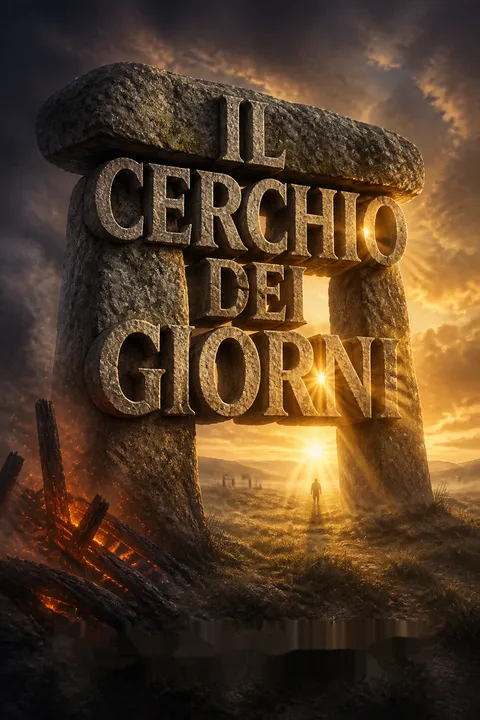
After years of labor, the stone Monument is completed—a ring of thirty uprights and thirty crossbars, encircling the sacred oval. The Midsummer Rite is celebrated with unprecedented joy and reverence. Ani, now old and frail, is carried to witness the fulfillment of her daughter's vision. The Monument stands as a testament to endurance, cooperation, and the power of shared dreams. The community is transformed, its divisions healed by the work of many hands and the wisdom of the priestesses. The circle is unbroken.
Love's Lasting Choice
Joia and Dee, after years of longing and misunderstanding, finally unite as priestess and partner. Dee joins the priestesshood, choosing a life of meaning and love over the solitude of the hills. Joia, having completed her life's work, finds peace in companionship and the knowledge that the Monument will endure. Their love, hard-won and mature, is a model for the new world they have helped create—a world where choice, respect, and equality are possible. The story's emotional arc comes full circle, from longing and loss to fulfillment and hope.
The Circle Completed
The story ends with the completed Monument, the community gathered in awe as the sun rises through the sacred stones. The cycles of violence, love, and renewal have given way to a new stability. The priestesses, now a hundred strong, lead the rituals that bind the people together. The lessons of the past—about power, justice, and the necessity of change—are embodied in the stones. The circle of days continues, but the world has been remade. The Monument stands, eternal, a beacon for generations to come.
Analysis
Circle of Days is a sweeping, emotionally resonant meditation on the birth of civilization, the costs of progress, and the enduring power of community. Set in a vividly imagined Neolithic Britain, the novel uses the construction of a Stonehenge-like monument as both literal plot and profound metaphor. Follett's narrative is driven by the interplay of love and violence, tradition and innovation, and the relentless cycles of nature and human ambition. The story's heart lies in its characters—outsiders, visionaries, and survivors—whose personal journeys mirror the community's transformation from a world of cruelty and division to one of cooperation and hope. The novel's structure, built around the cycles of the year and the rituals that mark them, reinforces its themes of continuity and change. The Monument itself is a symbol of what can be achieved when people unite across difference, and its completion is both a triumph and a reminder of the costs paid along the way. Circle of Days ultimately argues that progress is not the work of heroes alone, but of many hands and hearts, and that the true legacy of any civilization is the circle of care it creates for its future.
Ultimo aggiornamento:
Report IssueSintesi delle recensioni
Characters
Seft
Seft begins as the youngest, most intelligent, and most sensitive son in a family of flint miners, enduring cruelty from his father and brothers. His longing for love and belonging drives him to seek out Neen and, eventually, to break away from his family's violence. Seft's ingenuity—most notably his invention of the peg-and-hole joint—earns him respect and a new place among the miners. As the story unfolds, Seft becomes the indispensable master builder of the Monument, his technical brilliance matched by a deep desire for a kinder, more just world. His relationship with Neen and their children is a healing counterpoint to his traumatic past. Seft's journey is one of transformation: from victim to creator, from exile to leader, and from isolation to community.
Joia
Joia, Neen's younger sister, is marked from childhood by her insatiable curiosity and her sense of being different. Her fascination with the priestesses' secrets leads her to become a novice and, eventually, High Priestess. Joia's intelligence, emotional honesty, and willingness to challenge tradition make her both beloved and controversial. She is a catalyst for change, driving the rebuilding of the Monument in stone and inspiring others with her vision. Joia's personal journey is also one of self-discovery—her struggles with love, identity, and belonging culminate in her relationship with Dee, which becomes a model of mutual respect and choice. Joia's arc is one of growth from outsider to spiritual and practical leader, her legacy etched in stone and memory.
Neen
Neen is the emotional center of her family, embodying kindness, wisdom, and resilience. Her relationship with Seft is a source of healing for them both, and her role as mother and sister is crucial in holding the community together. Neen's ability to balance tradition and change, to nurture without stifling, and to love without illusion makes her a model of mature femininity. She is both a participant in and a witness to the story's great events, her steadiness providing a counterpoint to Joia's restlessness and Seft's ambition. Neen's arc is one of quiet strength, her influence felt in every act of care and reconciliation.
Ani
Ani, mother to Neen and Joia, is a respected elder, leather tanner, and peacemaker. Her wisdom, patience, and commitment to the community's well-being make her a central figure in both public and private life. Ani's psychoanalytic depth lies in her ability to hold grief and hope together, to see the long view, and to act with both compassion and firmness. She is a bridge between generations, her influence shaping the choices of her daughters and the direction of the community. Ani's arc is one of endurance and legacy, her life culminating in the witnessing of the completed Monument.
Dee
Dee, a shepherdess from the North Hills, is striking for her beauty, intelligence, and self-sufficiency. Her relationship with Joia is marked by longing, misunderstanding, and eventual fulfillment. Dee's refusal to be secondary in love, her insistence on mutual respect, and her willingness to change her life for love make her a transformative presence. She brings out in Joia a new capacity for vulnerability and joy. Dee's arc is one of self-realization and choice, her journey from solitude to partnership mirroring the story's larger themes of union and renewal.
Scagga
Scagga is the story's chief antagonist among the herders, a man driven by fear, pride, and a need for control. His calls for war, resistance to change, and personal grievances disrupt the community and threaten its survival. Scagga's psychological complexity lies in his insecurity and his inability to adapt to new realities. He is both a product and a perpetuator of the old order, his eventual marginalization a sign of the community's growth. Scagga's arc is a cautionary tale about the dangers of rigidity and the necessity of letting go.
Troon
Troon, the Big Man of the farmers, is a master of manipulation, violence, and self-justification. His seizure of land, imposition of harsh rules, and orchestration of violence against herders and woodlanders make him a formidable but ultimately self-destructive force. Troon's psychoanalytic depth lies in his need for control and his inability to recognize the limits of power. His downfall is both personal and symbolic—the end of an era of male dominance and the beginning of a new order led by women and consensus. Troon's arc is a study in the costs of unchecked authority.
Bez
Bez is the charismatic leader of the woodlanders, a man of humor, courage, and deep loyalty to his tribe. The destruction of his people and their way of life drives him to acts of revenge, culminating in the burning of the Monument and his own demise. Bez's psychological complexity lies in his capacity for both joy and violence, his love for Gida and Lali, and his inability to find a place in the new world. His arc is tragic—a witness to the end of an ancient way of life and the price of survival.
Pia
Pia, a farmer's daughter, is marked by her intelligence, adaptability, and capacity for love. Her relationships with Han and Duff, her survival of violence and loss, and her eventual leadership in Farmplace make her a key figure in the story's transformation of gender and power. Pia's psychoanalytic depth lies in her ability to grieve and move forward, to build alliances across divides, and to imagine new possibilities. Her arc is one of survival, innovation, and the creation of a more just society.
Jara
Jara, Scagga's sister, emerges as a voice of reason and compromise among the elders. Her ability to mediate, to see both sides, and to act decisively in crisis makes her an essential stabilizer in times of upheaval. Jara's psychological strength lies in her flexibility and her commitment to the community's survival over personal pride. Her arc is one of increasing influence and the quiet exercise of power.
Plot Devices
Cyclical Time and Ritual
The narrative is organized around the recurring Rites—Midsummer, Midwinter, and the Halfways—which mark the passage of time and the turning of the year. These rituals are both plot events and structural devices, providing rhythm and a sense of inevitability. The cycles of love, violence, and renewal are echoed in the cycles of the sun, the seasons, and the construction of the Monument. This cyclical structure reinforces the themes of continuity, change, and the persistence of memory.
Multiple Perspectives and Interwoven Lives
Follett employs a wide cast of characters, each with their own desires, fears, and arcs. The interweaving of herders, farmers, woodlanders, priestesses, and outsiders creates a tapestry of perspectives that enriches the narrative. The use of shifting points of view allows for deep psychological insight and the exploration of social dynamics. The connections between characters—by blood, love, rivalry, and violence—drive the plot and embody the story's themes of interdependence and conflict.
Symbolism of the Monument
The Monument, in its various forms—timber, stone, circle, oval—is the central symbol of the story. It represents the community's aspirations, its divisions, and its capacity for renewal. The process of building, destroying, and rebuilding the Monument mirrors the cycles of the community's life. The stones themselves are symbols of endurance, memory, and the possibility of transcendence. The Monument's completion is both an ending and a beginning, a literal and figurative circle.
Gender, Power, and Social Change
The story foregrounds the roles of women as priestesses, elders, lovers, and leaders. The decline of male-dominated violence (embodied by Cog, Troon, and Scagga) and the rise of female authority (Ani, Joia, Pia, Jara) are central to the plot's evolution. The transformation of Farmplace from patriarchal tyranny to cooperative leadership is mirrored in the priestesshood's growth and the community's embrace of consensus. The plot uses personal relationships—love, rivalry, mentorship—to explore the possibilities and limits of social change.
Foreshadowing and Echoes
The narrative is rich in foreshadowing—early conflicts, inventions, and relationships anticipate later crises and resolutions. The repetition of motifs (the circle, the journey, the feast, the revel) creates a sense of destiny and interconnectedness. The story's ending echoes its beginning, with new generations facing old questions in new forms. The use of echoes and parallels deepens the emotional impact and reinforces the story's themes.
Sull'autore
Ken Follett is a highly successful Welsh author, born in 1949, with over 170 million copies of his 36 books sold worldwide. He began his career as a reporter before transitioning to publishing. Follett's breakthrough came with "Eye of the Needle" in 1978, winning the Edgar Award. His epic novel "The Pillars of the Earth" became a bestseller and was adapted for television. Follett is actively involved in literacy charities and local community initiatives. He lives in Stevenage with his wife Barbara, a former Labour MP. An enthusiastic bass guitar player, Follett continues to write popular historical fiction and thrillers.
Scarica PDF
Scarica EPUB
.epub digital book format is ideal for reading ebooks on phones, tablets, and e-readers.








































