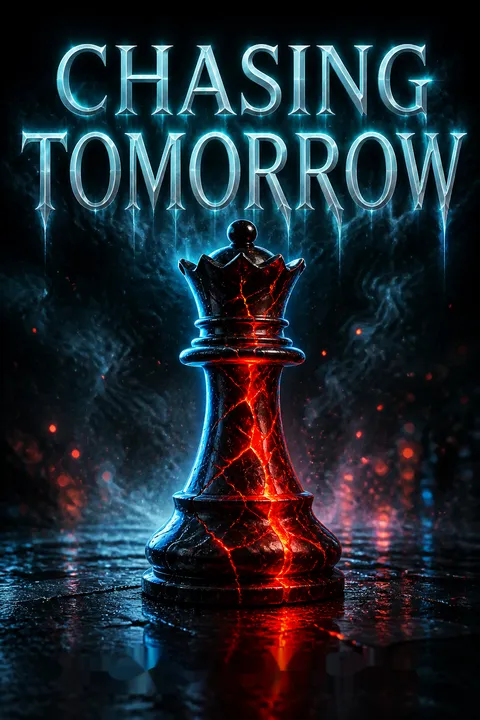

Plot Summary
Lovers and Con Artists
Tracy Whitney and Jeff Stevens, the world's most talented con artists, are finally ready to leave their criminal pasts behind. After a dazzling final heist in Amsterdam, they reunite in Rio de Janeiro to marry, vowing to go straight. Their mentor, Gunther Hartog, is both proud and mournful, sensing the end of an era. The chemistry between Tracy and Jeff is electric, but their decision to retire is shadowed by the thrill of their old life and the uncertainty of what comes next. As they step into marriage, the ghosts of their past and the adrenaline of the con world linger, hinting that their story is far from over.
The Last Big Score
Before their wedding, Tracy can't resist one last job: outwitting the infamous Maximilian Pierpont in a real estate scam in Brazil. Disguised as the Countess Valentina Di Sorrenti, she sells Pierpont worthless, eroding land for millions. The con is flawless, and Tracy delivers the "wedding present" to Jeff with triumphant glee. Their partnership is at its peak—clever, daring, and perfectly in sync. Yet, beneath the victory, there's a sense that the rush of the con is hard to leave behind. The thrill of the game, the satisfaction of outsmarting the greedy, and the taste of danger are woven into their love, foreshadowing the challenges of a quieter life.
Marriage and Motherhood
Settled in London, Tracy and Jeff attempt to build a new life. Jeff finds fulfillment in academia, working at the British Museum, while Tracy struggles with infertility and the loss of her old identity. The longing for a child becomes an obsession for Tracy, and the couple's intimacy is tested by disappointment and the monotony of normalcy. Tracy's restlessness grows, missing the excitement and purpose of their former life. The tension between her desire for motherhood and her need for adventure creates a rift, as both try to adapt to a world that feels too small for their talents and appetites.
The Heist at the Museum
When Jeff curates a major exhibition of Saxon treasures, Tracy's instincts as a thief are reignited. She orchestrates a flawless theft of a rare coin, swapping it for a replica during a staged fire alarm. Expecting Jeff to be impressed, she's met with anger and betrayal. The incident exposes the deep cracks in their marriage: Tracy's inability to let go of her past, and Jeff's need for legitimacy. Their argument is interrupted by tragedy—Tracy suffers a miscarriage, compounding their grief and driving them further apart. The cost of their double lives becomes painfully clear.
Cracks in the Facade
The aftermath of the miscarriage leaves Tracy in a spiral of depression, unable to find joy in her new life. Jeff, wracked with guilt, tries to mend their relationship, but the emotional chasm widens. Tracy's sense of self is fractured; she mourns not just the baby, but the loss of her old self. Jeff finds solace in his work and the admiration of a young intern, Rebecca, while Tracy becomes increasingly secretive and withdrawn. Their once-unbreakable partnership is now riddled with suspicion, loneliness, and the ache of unfulfilled dreams.
Betrayal and Separation
Rebecca's manipulations and Jeff's emotional vulnerability lead to a moment of infidelity, witnessed by Tracy. At the same time, Jeff is convinced—through doctored evidence—that Tracy is having an affair with her fertility doctor. The confrontation is explosive, filled with accusations and heartbreak. Both feel betrayed, both are wounded, and neither can see a way back. Tracy disappears, selling their home and vanishing from Jeff's life. The marriage that once thrived on trust and shared danger collapses under the weight of lies and misunderstandings.
New Lives, Old Shadows
Tracy starts anew in Colorado, adopting the identity of Tracy Schmidt and raising her son, Nicholas, alone. She finds solace in motherhood and the quiet beauty of the mountains, but the past is never far behind. Jeff, devastated, spirals into depression and addiction before being rescued by Gunther. He returns to the world of high-stakes theft, using his skills for clients with questionable motives. Both are haunted by memories of each other, their love unresolved, their talents restless. The game may have changed, but the players remain the same.
The Bible Killer Emerges
Across the globe, a series of brutal murders of prostitutes—each accompanied by a Bible verse—baffles law enforcement. Inspector Jean Rizzo of Interpol becomes obsessed with the case, noting a chilling pattern: each murder follows a major, unsolved art or jewel heist. The connection is tenuous but persistent, and Rizzo's investigation leads him to the shadowy world of elite thieves. Tracy's name surfaces as a possible link, her legendary status making her both a suspect and a key to the mystery. The past is catching up, and the stakes are higher than ever.
A Son Like His Father
In Colorado, Nicholas Schmidt grows into a clever, mischievous boy, echoing his father's charm and Tracy's intelligence. His escapades at school reveal a natural talent for deception and strategy, both a source of pride and concern for Tracy. She is determined to guide him toward goodness, fearing the pull of their shared legacy. The bond between mother and son is deep, but Tracy's vigilance is constant. The question of nature versus nurture looms, as Nicholas's future teeters between innocence and the allure of the con.
The Copycat Rival
Elizabeth Kennedy, a brilliant and ruthless thief, emerges as Tracy's rival. Under various aliases, she orchestrates high-profile heists, including a failed attempt to steal the Brookstein rubies in Los Angeles—only to be outsmarted by Tracy, who briefly returns to her old ways. Elizabeth's obsession with Jeff and her envy of Tracy drive her to sabotage their lives, working with a mysterious male partner. The rivalry is personal and professional, a battle of wits that reignites Tracy's dormant skills and sets the stage for a deadly confrontation.
The Rubies of Los Angeles
Tracy's encounter with Elizabeth in L.A. pulls her back into the world of cons. She successfully steals the coveted ruby necklace, besting her rival and feeling the old thrill of victory. The job is a one-time return, but it awakens something in Tracy—a reminder of who she was and what she's capable of. Meanwhile, Elizabeth's failure deepens her resentment and her alliance with her partner, whose motives are increasingly sinister. The web of theft, revenge, and obsession grows tighter, drawing all the players toward an inevitable reckoning.
The Web Tightens
Inspector Rizzo's investigation intensifies, connecting the murders, the thefts, and the key suspects: Tracy, Elizabeth, and their respective partners. The FBI, led by the ambitious Milton Buck, is focused on recovering stolen art and jewels, while Rizzo is determined to stop the killer. The two agencies clash, their priorities at odds. Tracy is drawn into the hunt, both as a consultant and a target. The lines between hunter and hunted blur, as secrets are revealed and alliances shift. The past refuses to stay buried, and danger is everywhere.
The Past Returns
Daniel Cooper, the insurance investigator who once pursued Tracy and Jeff, is revealed as Elizabeth's partner and the Bible Killer. His obsession with Tracy, rooted in twisted love and religious mania, drives him to orchestrate a final, deadly game. Cooper's history of violence and psychological torment comes to light, as does his role in destroying Tracy and Jeff's marriage. The sins of the past demand payment, and Cooper's plan is as elaborate as it is horrifying. Tracy and Jeff are once again in his sights, their survival dependent on solving his deadly riddle.
The Chessboard of Death
Cooper kidnaps Jeff, leaving Tracy a cryptic poem that is both a challenge and a threat. The riddle is layered with references to chess, biblical sacrifice, and historical sites. Tracy, with help from Rizzo, must decipher the clues to save Jeff's life. The hunt takes her across Europe, from London to Bulgaria, as she races against the clock and Cooper's madness. The game is both literal and metaphorical—a test of intellect, courage, and love. Every move is fraught with peril, and the cost of failure is death.
The Riddle and the Hunt
Arriving in Plovdiv, Bulgaria, Tracy navigates ancient ruins and her own fears to confront Cooper. The final riddle leads her to an abandoned amphitheater, where she is ambushed and nearly raped. Drawing on her wits and willpower, she fights back, injuring Cooper and forcing him to reveal Jeff's location. The rescue is harrowing—Jeff is found crucified, barely alive, in a remote barn. The ordeal is a crucible for both, burning away illusions and leaving only the raw truth of their love and pain. The past, present, and future converge in a moment of reckoning.
The Crucifixion Game
Jeff's survival is miraculous, his body and spirit pushed to the brink by Cooper's sadistic reenactment of biblical sacrifice. Tracy's intervention saves his life, but not before both are forever changed. Cooper, mortally wounded, confesses his crimes and dies, his twisted quest for redemption unfulfilled. The authorities close in, and the web of theft and murder is finally unraveled. Tracy and Jeff are reunited, but the scars—physical and emotional—run deep. The game is over, but the cost has been immense.
The Final Confrontation
Back in Colorado, Tracy and Jeff attempt to rebuild their lives. The trauma of their ordeal lingers, and the question of whether they can reclaim their love remains unanswered. Nicholas, the living link between them, is the center of Tracy's world. Jeff longs for a second chance, but Tracy is torn between the safety of her new life and the passion of the old. The future is uncertain, shaped by the choices they make and the lessons they've learned. The chase is over, but tomorrow is still unwritten.
Redemption and Tomorrow
Tracy, Jeff, and Nicholas stand at a crossroads. The ghosts of their past—love, betrayal, ambition, and loss—have been faced and, in some measure, laid to rest. Tracy chooses stability for her son, while Jeff accepts the limits of what can be reclaimed. Their love endures, transformed by suffering and survival. The story ends not with a final con, but with the hope of redemption and the promise of tomorrow. The chase may be over, but the journey continues, shaped by courage, forgiveness, and the enduring power of love.
Analysis
A modern thriller about identity, love, and the cost of reinventionChasing Tomorrow is more than a tale of heists and murder; it is a meditation on the impossibility of escaping one's past and the complexity of human relationships. The novel explores how love and ambition can both save and destroy, and how the masks we wear—whether as con artists, spouses, or parents—shape our destinies. Through its intricate plot and psychologically rich characters, the book examines the tension between the desire for safety and the lure of danger, the need for connection and the fear of vulnerability. The lessons are clear: redemption is possible, but only through honesty, courage, and the willingness to face one's own darkness. The chase for tomorrow is, ultimately, a chase for self-acceptance and peace.
Review Summary
Reviews of Chasing Tomorrow are deeply divided. Many readers, especially devoted Sidney Sheldon fans, felt disappointed by this sequel to If Tomorrow Comes. Common criticisms include: characters behaving inconsistently, a predictable plot, rushed pacing, confusing timeline jumps from 1980s to modern technology, and an unsatisfying ending. Critics argue Bagshawe failed to capture the original's glamour and excitement, turning the strong Tracy Whitney into a less compelling character. However, some readers praised the thrilling plot and Bagshawe's ability to mimic Sheldon's style, calling it entertaining despite its flaws.
People Also Read

Characters
Tracy Whitney
Tracy is the world's most gifted con artist, driven by a deep sense of justice and a hunger for excitement. Her love for Jeff is passionate and complex, marked by both partnership and rivalry. Motherhood becomes her greatest longing and her greatest challenge, as infertility and loss threaten her sense of self. Tracy's psychological depth is revealed in her struggle to reconcile her criminal past with her desire for a normal life. She is resourceful, courageous, and deeply loyal, but also restless and prone to self-doubt. Her journey is one of survival, reinvention, and ultimately, the search for redemption.
Jeff Stevens
Jeff is Tracy's equal in the art of the con, a man whose wit and daring are matched only by his devotion to her. His transition from thief to academic is sincere, but he is haunted by the thrill of his old life and the loss of Tracy's trust. Jeff's vulnerability is exposed by betrayal and heartbreak, leading him into depression and self-destruction. His love for Tracy is unwavering, and his relationship with Nicholas—his son, though he does not know it for years—becomes a source of hope. Jeff's arc is one of atonement, resilience, and the enduring power of love.
Daniel Cooper
Once an insurance investigator, Cooper becomes the Bible Killer, orchestrating a series of murders linked to high-profile thefts. His obsession with Tracy is rooted in twisted love and religious mania, fueled by childhood trauma and a need for control. Cooper's partnership with Elizabeth is transactional, lacking true connection. He is a master manipulator, using riddles and psychological games to torment his victims. Cooper's pathology is revealed in his desire for purification through violence, and his ultimate goal is to possess Tracy by destroying all that she loves. His end is both tragic and inevitable.
Elizabeth Kennedy
Elizabeth is a rising star in the world of elite theft, driven by ambition and a deep-seated envy of Tracy. Her relationship with Jeff is manipulative, fueled by sexual attraction and a desire to supplant Tracy. Elizabeth's partnership with Cooper is pragmatic, but she underestimates his madness. She is a master of disguise and deception, capable of both charm and cruelty. Elizabeth's psychological complexity lies in her need for validation and her inability to form genuine connections. Her rivalry with Tracy is both personal and professional, a battle for supremacy that ends in defeat.
Nicholas Schmidt
Nicholas is Tracy and Jeff's son, raised in Colorado under a new identity. He inherits his parents' intelligence and cunning, displaying a natural talent for mischief and strategy. Nicholas is the center of Tracy's world, her reason for choosing stability over adventure. His relationship with Blake Carter provides a model of goodness and honesty, balancing the legacy of his parents. Nicholas represents the possibility of breaking the cycle, of forging a new path unburdened by the sins of the past.
Gunther Hartog
Gunther is the wise, cultured mentor to both Tracy and Jeff, guiding them through the world of high-stakes cons. He is both proud and mournful of their decision to retire, seeing in them the end of an era. Gunther's love for his protégés is paternal, but he is not above manipulation. His own past is shadowed by moral ambiguity, and he serves as a reminder of the costs and rewards of the con artist's life. Gunther's death marks the passing of a generation, leaving Tracy and Jeff to face their futures alone.
Inspector Jean Rizzo
Rizzo is the Interpol detective obsessed with solving the Bible Killer case. His personal history—marked by family addiction and the loss of his sister—drives his empathy for the victims and his determination to find justice. Rizzo's approach is methodical and intuitive, often at odds with the bureaucracy of law enforcement. His connection to Tracy is both professional and personal, as he comes to respect her intelligence and courage. Rizzo's arc is one of perseverance, sacrifice, and the search for meaning in a world of cruelty.
Blake Carter
Blake is Tracy's ranch manager and confidant in Colorado, a man of simple values and deep loyalty. He becomes a surrogate father to Nicholas and offers Tracy the possibility of a stable, loving life. Blake's love for Tracy is patient and selfless, accepting her secrets without judgment. He represents the life Tracy could have—a life of peace and goodness—but also the limitations of leaving the past behind. Blake's presence is a grounding force, a reminder of what is at stake.
Milton Buck
Buck is the FBI agent focused on recovering stolen art and jewels, often at the expense of justice for the murder victims. His rivalry with Rizzo and disregard for Tracy's value as a consultant create tension and obstacles. Buck's character embodies the flaws of institutional law enforcement: ego, inflexibility, and a lack of empathy. He is a foil to Rizzo, highlighting the difference between justice and mere procedure.
Rebecca Mortimer / Liza Cunningham
Under various aliases, Rebecca is the intern who seduces Jeff and helps destroy his marriage to Tracy. Her actions are driven by envy and a desire for power, orchestrated in part by Elizabeth and Cooper. Rebecca's duplicity is a mirror of the dangers inherent in the world Tracy and Jeff inhabit—a world where trust is a liability and betrayal is always a possibility.
Plot Devices
Duality of Identity and Reinvention
The novel's structure is built on the tension between past and present, truth and deception. Tracy and Jeff's ability to assume new identities is both their greatest strength and their deepest vulnerability. The plot uses this device to explore themes of trust, betrayal, and the search for authenticity. The shifting roles—con artist, spouse, parent, victim, detective—create a narrative of constant transformation, where the past is never truly left behind.
The Riddle as a Narrative Engine
Daniel Cooper's riddle is both a literal and metaphorical chess game, forcing Tracy (and the reader) to piece together clues from their shared history. The use of riddles, codes, and layered references to chess, biblical sacrifice, and historical sites creates suspense and urgency. This device also mirrors the psychological games played between characters, where every move is a test of intellect and will.
Parallel Plotlines and Intersecting Arcs
The novel weaves together the personal journeys of Tracy, Jeff, and their adversaries with the procedural investigation led by Rizzo and Buck. The parallel arcs—marriage and motherhood, crime and punishment, love and loss—intersect at key moments, heightening the stakes and deepening the emotional impact. The use of foreshadowing and mirrored events (such as betrayals, heists, and confrontations) reinforces the theme of history repeating itself.
Psychological Manipulation and Gaslighting
The plot is driven by psychological games—doctored evidence, false accusations, and emotional manipulation. Rebecca's forged video, Elizabeth's seduction, and Cooper's riddles all serve to destabilize the protagonists, forcing them to question their own memories and motives. This device creates a sense of paranoia and suspense, blurring the line between victim and perpetrator.
The Motif of Sacrifice and Redemption
The narrative is structured around acts of sacrifice—Tracy's loss of her old life, Jeff's crucifixion, Cooper's twisted quest for atonement. Redemption is hard-won, achieved through pain, forgiveness, and the willingness to confront the past. The motif is reinforced by biblical imagery and the recurring theme of the "lamb," linking personal suffering to a larger moral reckoning.
About the Author
Other books by Tilly Bagshawe

Download PDF
Download EPUB
.epub digital book format is ideal for reading ebooks on phones, tablets, and e-readers.








































