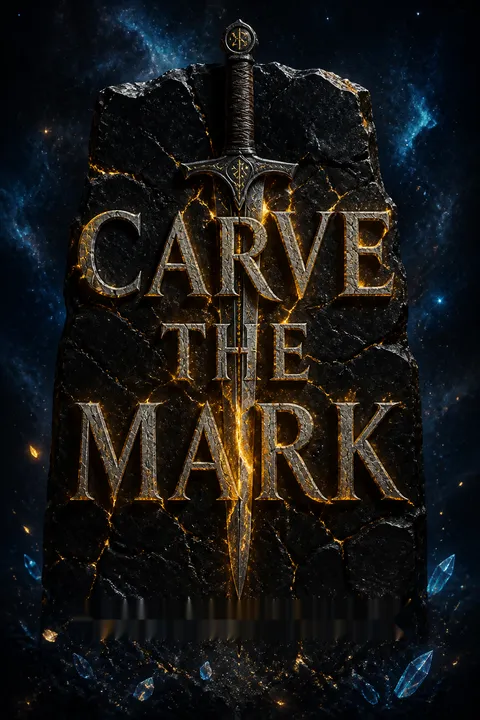

Plot Summary
Hushflower Blooming Night
On the coldest night, Akos Kereseth's family gathers for the Blooming, a sacred Thuvhesit ritual marking the hushflower's bloom. The warmth of family and tradition is tinged with unease, as Akos's mother, Sifa, an oracle, hints at the weight of fate. The Kereseth children—Akos, Eijeh, and Cisi—are fate-favored, their destinies witnessed by oracles across the galaxy. Yet, the comfort of home is fragile, threatened by the ever-present tension with the Shotet, their planet's other people. The night is filled with laughter, sibling teasing, and the hum of the current, the mysterious force binding all life. But beneath the celebration, the future stirs, and the world's violence is never far from their door.
Fates Revealed, Families Torn
The Assembly broadcasts the fates of the favored lines, exposing Akos and Eijeh's destinies to the world. The Kereseths scramble for safety, but the revelation brings peril. Shotet soldiers invade their home, seeking the fate-favored children. In a brutal attack, Akos and Eijeh are torn from their family, their father murdered before their eyes. The brothers are dragged across the Divide, the border of Thuvhe and Shotet, into captivity. The trauma of loss and the shattering of innocence mark the beginning of their ordeal, as the meaning of fate becomes a curse rather than a blessing.
Shotet Invasion, Brothers Taken
Akos and Eijeh are delivered to the heart of Shotet power, Noavek manor, ruled by the cruel Ryzek and his sister Cyra. The brothers are separated: Eijeh, destined to be an oracle, becomes Ryzek's prize, while Akos is condemned to serve the Noaveks, his fate to die in their service. The Shotet world is harsh, marked by violence, ritual, and the carving of kill marks for every loss. Akos's resistance is met with brutality, and his Thuvhesit identity is both a vulnerability and a mystery, as he discovers an inexplicable fluency in the Shotet language. The brothers' bond is tested as they are forced into roles they never chose.
Pain's Awakening, Cyra's Curse
Cyra Noavek, daughter of a tyrant, is cursed with a currentgift that inflicts excruciating pain on herself and anyone she touches. Her childhood is shaped by violence, loss, and the manipulations of her father and brother. As her gift manifests, she becomes both weapon and prisoner, feared by all, even as she is used to enforce Ryzek's will. Cyra's pain isolates her, but it also forges a fierce resilience. Her only relief comes from Akos, whose own currentgift interrupts the current, nullifying her agony. Their forced proximity becomes the seed of an uneasy alliance, and the first crack in the Noavek regime.
Noavek Power, Kereseth Captivity
Ryzek's rule is absolute, maintained through fear, torture, and the manipulation of fate. Eijeh is broken down, his memories and identity stolen by Ryzek's unique gift of memory exchange. Akos, trained as a Shotet soldier, is both servant and student to Cyra, teaching her to make painkillers and learning to fight in return. Their relationship is fraught with mistrust, but necessity breeds understanding. The politics of Noavek manor are a web of intrigue, with loyalists, traitors, and the ever-present threat of rebellion. The lines between enemy and ally blur, as Akos and Cyra begin to see each other's humanity.
Training, Poison, and Bargains
Akos and Cyra's bargain deepens: he provides her with painkillers, she teaches him to fight. Their training is both physical and emotional, as they navigate the complexities of trust, trauma, and identity. The Shotet world is revealed in its contradictions—ritualistic, brutal, yet yearning for legitimacy and renewal. The Sojourn Festival approaches, a time of celebration and scavenge, but also of political maneuvering. Akos's skills grow, and Cyra's pain lessens in his presence. Together, they begin to plot their own survival, even as Ryzek's grip tightens and the threat of war looms.
Sojourn Festival's Blue Rain
The Sojourn Festival brings a rare moment of beauty to Shotet, as blue rain falls from the sojourn ship and the city erupts in celebration. Akos and Cyra, disguised among the revelers, experience fleeting freedom and connection. They visit the Storyteller, learning the Shotet version of history—a tale of loss, reclamation, and the enduring power of language and tradition. Yet, beneath the festivities, the machinery of oppression grinds on. The festival is a mask for the regime's violence, and the seeds of rebellion are quietly sown. For Akos and Cyra, the festival is both a respite and a reminder of all they have lost.
Renegades and Revolt
The Shotet underclass, starved and oppressed, begins to organize. Renegades plot against Ryzek, seeking to unseat the Noaveks and restore justice. Cyra, disillusioned with her brother's cruelty, secretly aids the rebels, offering information and access in exchange for Akos's freedom. The cost of resistance is high—betrayal, torture, and the ever-present threat of death. The lines between family and enemy blur, as Cyra must choose between loyalty to blood and loyalty to conscience. The renegades' cause becomes her own, and the fate of Shotet hangs in the balance.
Arena Blood and Betrayal
The arena becomes the stage for Shotet's violence and ambition. Akos is forced to fight Suzao Kuzar, one of his father's murderers, in a brutal challenge to the death. The fight is both vengeance and survival, marking Akos with another scar, another loss. Cyra, too, is forced into the arena, her pain weaponized for Ryzek's purposes. The public spectacle of blood and betrayal exposes the rot at the heart of Shotet society. Yet, in the crucible of violence, Akos and Cyra's bond is forged anew, as they fight not just for themselves, but for each other.
Escape, Loss, and Return
Akos and Cyra's attempts to escape Shotet are met with heartbreak and loss. Eijeh, now a shell of himself, is beyond saving. The renegades' plans falter, and the cost of resistance is mounting. Akos is smuggled back to Thuvhe, reunited with his sister Cisi and childhood friend Ori, only to find his home changed and his fate inescapable. The Shotet invade Thuvhe, and the cycle of violence continues. Akos must choose between the safety of home and the call to return, to rescue Cyra and confront the legacy of pain and vengeance that binds them.
The Scavenge on Pitha
The sojourn ship travels to Pitha, the water planet, for the ritual scavenge. The Shotet seek not just renewal, but weapons and alliances to fuel their ambitions. Akos and Cyra, now part of a fragile coalition with Thuvhesit chancellor Isae Benesit and the renegades, navigate treacherous waters—literal and political. The scavenge is both a rite and a ruse, as Ryzek maneuvers to secure his rule and the rebels plot his downfall. The journey tests every bond—of love, loyalty, and fate—and sets the stage for the final confrontation.
Poisoned Thrones, Shifting Loyalties
Back in Voa, the renegades and Cyra conspire to assassinate Ryzek, using poison and subterfuge. Yma Zetsyvis, a secret rebel, aids their plot from within. Yet, nothing is simple: Ryzek's paranoia, the complexity of gene-locked doors, and the tangled web of family secrets threaten to unravel everything. Cyra learns she is not truly a Noavek, her blood unable to open the locks that guard Ryzek's secrets. Loyalties shift, and the cost of rebellion grows ever steeper. The line between justice and vengeance blurs, as every choice is paid for in blood.
Prisoners, Prophecies, and Sacrifice
The final moves are made in the shadows of the amphitheater and the prison beneath it. Sifa, the oracle, manipulates futures, sacrificing individuals for the greater good. Eijeh, broken by Ryzek's memory theft, becomes both victim and weapon. Ori Benesit is captured, her life bartered for power. Akos and Cyra are forced to choose between mercy and vengeance, love and duty. The cost of prophecy is revealed—not just in lives lost, but in the erosion of self. Sacrifice becomes the only path forward, and the meaning of fate is rewritten in pain and hope.
The Arena's Final Reckoning
In a climactic confrontation, Cyra challenges Ryzek in the arena, the world watching. Poison and deception replace brute force, as Cyra spares Ryzek's life for Akos's sake, choosing mercy over vengeance. Eijeh, lost to Ryzek's memories, murders Ori, shattering Isae and Akos. The amphitheater becomes a crucible of grief, rage, and transformation. The renegades seize the moment, and the Noavek regime falls. Yet, victory is hollow, stained by loss and the knowledge that justice and mercy are never simple. The survivors must reckon with what they have done—and what they have become.
Mercy, Vengeance, and New Beginnings
In the aftermath, the survivors orbit their broken world, nursing wounds both visible and hidden. Cyra and Akos, bound by love and pain, find solace in each other, even as the future remains uncertain. Isae, now chancellor, is hardened by loss. Sifa's prophecies linger, warning of war to come. Ryzek and Eijeh are prisoners, their fates unresolved. The lines between Shotet and Thuvhe, enemy and ally, are blurred forever. Yet, in the silence of space, there is a fragile hope—a chance to begin again, to carve new marks not of pain, but of possibility.
Analysis
Veronica Roth's Carve the Mark is a meditation on pain, power, and the possibility of transformation in a world governed by fate. The novel interrogates the meaning of destiny, asking whether individuals can carve their own marks on a future seemingly set in stone. Through the intertwined journeys of Akos and Cyra—one a reluctant hero, the other a weaponized victim—Roth explores the costs of survival, the ethics of mercy, and the redemptive power of connection. The narrative refuses easy answers: justice is always compromised, vengeance is never clean, and the line between victim and perpetrator is blurred by trauma and circumstance. The novel's world-building is both lush and brutal, using ritual, language, and the ever-present current to create a society at once alien and familiar. In the end, Carve the Mark is a story about the scars we bear, the choices we make, and the hope that, even in the darkest places, we can choose to be more than what fate demands. The lesson is clear: pain can be both curse and teacher, and the marks we carve—on ourselves, on others, on the world—are not just records of loss, but possibilities for change.
Review Summary
Carve the Mark by Veronica Roth receives mixed reviews, averaging 3.78 stars. Critics praise the concept of currentgifts and the relationship between protagonists Cyra and Akos from warring societies. However, many cite problematic racial stereotypes, with darker-skinned Shotet portrayed as violent versus lighter-skinned peaceful Thuvhe. Reviewers criticize slow pacing, weak world-building, confusing descriptions, and concerning depictions of chronic pain and self-harm. Some note paid sponsorships influenced early reviews. While fans appreciate the character development and forbidden romance, others find it derivative, boring, and problematic in its cultural representations.
People Also Read




Characters
Akos Kereseth
Akos is the third child of the Kereseth family, a Thuvhesit boy whose life is shattered when his fate—to die in service to the Noaveks—is revealed. Sensitive, loyal, and quietly resilient, Akos is defined by his devotion to his family, especially his brother Eijeh. His currentgift, the ability to interrupt the current, makes him uniquely valuable and allows him to relieve Cyra's pain. Akos's journey is one of survival, trauma, and reluctant transformation—from a gentle child to a hardened fighter, marked by loss and vengeance. His relationship with Cyra is both a source of healing and a crucible, forcing him to confront the meaning of mercy, love, and identity. Akos's struggle is not just against his captors, but against the fate that seeks to define him.
Cyra Noavek
Cyra is the daughter of the Noavek dynasty, raised in violence and expectation. Her currentgift—excruciating pain inflicted on herself and others—makes her both feared and exploited, a tool of her brother Ryzek's regime. Isolated by her gift, Cyra is forced into the role of torturer and executioner, yet she yearns for connection and meaning beyond suffering. Her alliance with Akos becomes a lifeline, challenging her to imagine a self beyond pain. Cyra's arc is one of self-acceptance, agency, and the struggle to choose mercy over vengeance. Her internal battles mirror the external war, and her ultimate act of sparing Ryzek is both a sacrifice and a declaration of her own humanity.
Ryzek Noavek
Ryzek is the sovereign of Shotet, a man shaped by fear, cruelty, and the burden of a fate he cannot escape—to fall to the family Benesit. His currentgift, the ability to exchange memories, is both a weapon and a curse, eroding his own identity as he steals others'. Ryzek's rule is marked by paranoia, brutality, and the manipulation of those closest to him, especially Cyra and Eijeh. He is both victim and perpetrator, a product of generational violence and his own choices. Ryzek's psychological complexity lies in his desperate attempts to control fate, even as it destroys him. His downfall is both tragic and inevitable, a warning about the cost of power without compassion.
Eijeh Kereseth
Eijeh, Akos's older brother, is fated to become the next oracle of Thuvhe. Sensitive and gentle, Eijeh is broken by Ryzek's theft of his memories, becoming a vessel for the tyrant's pain and ambition. His transformation from beloved brother to tool of the regime is one of the novel's most devastating arcs, exploring the fragility of self and the violence of exploitation. Eijeh's struggle is both literal and symbolic—a battle for his own soul, and a reflection of the cost of prophecy and power. His ultimate act, the murder of Ori, is both a tragedy and a testament to the novel's refusal to offer easy redemption.
Sifa Kereseth
Sifa is Akos and Eijeh's mother, the sitting oracle of Thuvhe. Her visions shape the destinies of her children and the world, but her devotion to fate often comes at the expense of personal loyalty. Sifa is enigmatic, wise, and sometimes cold, willing to sacrifice individuals for the greater good. Her relationship with Akos is fraught, marked by love, disappointment, and the burden of prophecy. Sifa's actions raise questions about agency, destiny, and the ethics of power. She is both a guide and a warning, embodying the tension between personal and collective responsibility.
Isae Benesit
Isae is the fated chancellor of Thuvhe, a woman marked by loss, scars, and the weight of leadership. Her twin, Ori, is her double and her anchor, and Ori's death at Eijeh's hands is a wound that hardens Isae's resolve. Isae is pragmatic, sharp, and sometimes ruthless, willing to make hard choices for the sake of her people. Her interactions with Akos, Cyra, and the renegades reveal both her vulnerability and her capacity for command. Isae's arc is one of grief, transformation, and the search for justice in a world where justice is always compromised.
Teka Surukta
Teka is a Shotet rebel, marked by loss and the violence of the Noavek regime. Her missing eye is a testament to Ryzek's cruelty, and her loyalty to the renegade cause is both personal and political. Teka is resourceful, skeptical, and fiercely independent, yet she is drawn into alliance with Cyra and Akos by necessity and shared purpose. Her journey is one of reluctant trust, as she navigates the dangers of rebellion and the complexities of forgiveness. Teka embodies the resilience of the oppressed, and her presence is a reminder that change is always driven by those with the most to lose.
Vas Kuzar
Vas is Ryzek's steward and enforcer, a man whose currentgift renders him immune to pain. This absence of sensation makes him both a perfect weapon and a hollow man, capable of unspeakable violence without remorse. Vas's relationship with Cyra is fraught, as he is the only one who can touch her without suffering, yet he is also her tormentor. His death at Akos's hands is both cathartic and unsettling, raising questions about justice, vengeance, and the nature of evil.
Yma Zetsyvis
Yma is a high-status Shotet woman, outwardly loyal to Ryzek but secretly a key figure in the renegade movement. Her losses—husband, daughter, family—fuel her desire for revenge, but her survival depends on her ability to navigate the treacherous politics of Voa. Yma is elegant, calculating, and ultimately tragic, a woman who sacrifices everything for a cause that may never reward her. Her alliance with Cyra is uneasy, marked by mutual recognition of the costs of resistance.
Cisi Kereseth
Cisi, Akos's sister, possesses a currentgift that brings ease to those around her, but at the cost of her own emotional expression. She is the quiet heart of the Kereseth family, offering comfort and stability in a world of chaos. Cisi's journey is one of self-discovery, as she learns to assert her own needs and desires. Her relationship with Isae hints at new possibilities, and her role in the final rescue is a testament to the power of gentleness in a violent world.
Plot Devices
Fate, Currentgifts, and the Current
The novel's central device is the concept of fate—immutable destinies witnessed by oracles and binding certain families to specific outcomes. This deterministic structure creates both tension and tragedy, as characters struggle to assert agency within the confines of prophecy. The current, a mysterious force that flows through all life, manifests as currentgifts—unique abilities that both empower and curse their bearers. These gifts are deeply psychological, reflecting the characters' traumas, desires, and fears. The interplay of fate and currentgift drives the plot, shaping every choice and consequence.
Dual Narratives and Shifting Perspectives
The story alternates between Akos and Cyra's perspectives, allowing readers to inhabit both the oppressed and the oppressor, the victim and the weapon. This duality is mirrored in the structure of the world—Thuvhe and Shotet, peace and violence, mercy and vengeance. The shifting perspectives create empathy and complexity, refusing to reduce any character to a simple role. The narrative is further enriched by flashbacks, dreams, and memories, blurring the line between past and present, self and other.
Arena Challenges and Public Spectacle
The arena is both literal and symbolic—a place where power is contested, identities are forged, and justice is both enacted and denied. Public challenges, executions, and spectacles of pain are tools of the regime, but also opportunities for resistance and transformation. The arena's bloodshed is a crucible for character development, forcing Akos and Cyra to confront the costs of survival and the meaning of mercy.
Poison, Subterfuge, and Rebellion
Poison and subterfuge are recurring motifs, reflecting the impossibility of open resistance in a world ruled by fear. Alliances are forged in secrecy, and every act of rebellion is a gamble. The renegades' plots, Yma's double agency, and Cyra's ultimate act of mercy are all enabled by deception. The novel uses these devices to explore the ethics of resistance, the price of survival, and the possibility of change.
Memory, Identity, and Psychological Inheritance
Ryzek's gift of memory exchange literalizes the struggle for identity, as Eijeh is hollowed out and Ryzek is consumed by what he steals. The theft and restoration of memory become metaphors for trauma, healing, and the intergenerational transmission of violence. The novel's structure—fragmented, recursive, haunted by the past—mirrors this psychological complexity, inviting readers to question what can be reclaimed, and what must be left behind.
About the Author




Download PDF
Download EPUB
.epub digital book format is ideal for reading ebooks on phones, tablets, and e-readers.








































