
Plot Summary
Death's Cage Unlocked
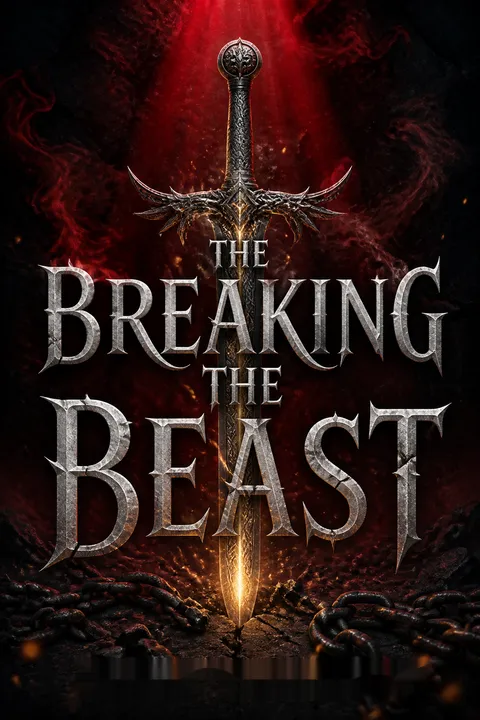
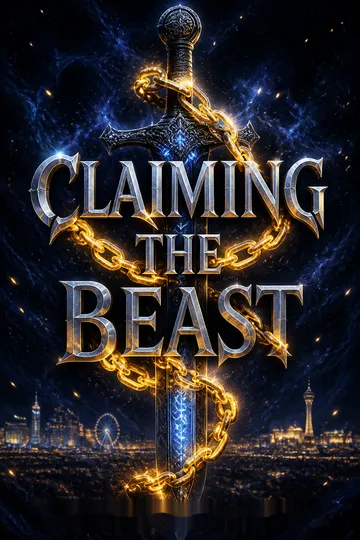
In the shadowy depths below a glittering Vegas hotel, Grim, the god of death, visits a caged immortal—Xander, once a god of the sea, now a volatile, broken beast. Xander's power is so immense and unstable that only the thickest bars and Grim's own will keep him contained. But Xander is restless, tormented by centuries of pain and isolation. He demands the one thing that might end his suffering: the Blade of Bane, a legendary weapon now bonded to a mortal woman. Grim, burdened by guilt and duty, knows the risk of unleashing Xander, but also the cost of denying him. The stage is set for a collision of gods, mortals, and the secrets that bind them.
The Blade's New Keeper
Miranda, a tough, no-nonsense single mother and head of security at Sinopolis, is the unlikely keeper of the Blade of Bane. Her life is a balancing act between supernatural chaos and mundane responsibilities. When Grim calls her to the hotel, she senses trouble. The blade, humming with ancient power, is both a burden and a shield. Miranda's sense of duty is unshakeable, but she's unprepared for the emotional and existential weight of what's to come. Her world, already complicated by gods and vampires, is about to be upended by a request that will test her resolve and her heart.
The God in the Basement
Grim leads Miranda deep beneath Sinopolis to Xander's cage. The air crackles with power and danger. Xander, scarred and beautiful, is both alluring and terrifying. He pleads for death, desperate for release from his endless torment. Miranda, blade in hand, is torn between compassion and responsibility. Their first encounter is electric—charged with fear, curiosity, and a strange, magnetic pull. Xander's madness is palpable, but so is his pain. Miranda's resolve is tested as she faces the reality of what it means to hold the power of life and death over a god.
Bargain of Blood and Pain
Xander convinces Miranda to kill him, believing the blade can finally end his suffering. The act is intimate, brutal, and strangely tender. But death is not so simple for a god. Xander revives, diminished but not destroyed. The ritual becomes a grim routine: Miranda returns each day to kill him, chipping away at his power, while Xander clings to the hope of oblivion. Their relationship deepens, forged in violence and vulnerability. Each death is a small mercy, a moment of connection, and a step toward something neither fully understands.
Lessons in Immortal Duty
Miranda struggles with the emotional toll of her task. Her friends—Vivien the vampire, Aaron the barista, and her loyal second-in-command Javier—offer support and distraction, but the burden is hers alone. The blade, now affectionately called Bob, becomes both confidant and conscience. Miranda's sense of self is challenged as she navigates the demands of gods, the needs of her son, and the growing complexity of her feelings for Xander. The line between duty and desire blurs, and the cost of her choices becomes ever more apparent.
The Beast's Request
Xander's pain is relentless, his sanity fraying at the edges. Yet, in Miranda's presence, he finds moments of clarity and even hope. He asks her to continue killing him, believing it is the only path to peace. But as his power wanes, so does his madness. The dynamic between them shifts—from predator and executioner to something more intimate and dangerous. Miranda is drawn to Xander's vulnerability, even as she fears the consequences of getting too close. Their fates are now inextricably linked.
Rituals of Death and Desire
The daily ritual of death and resurrection becomes a strange form of intimacy. Miranda and Xander's banter grows flirtatious, their boundaries erode. The blade is both a barrier and a bridge. As Miranda's skill with the sword improves under Xander's tutelage, so does their mutual trust. Yet, the specter of true death—and what it might unleash—hangs over them. The tension between duty and longing intensifies, culminating in moments of passion that threaten to consume them both.
Madness and Mercy
Xander's control falters, and his monstrous form emerges. Miranda faces the full force of his power and madness, risking her life to save him from himself. The experience leaves them both shaken and exposed. Miranda's compassion deepens, but so does her fear. She realizes that Xander's pain is not just physical, but existential—a punishment without end. The question of mercy becomes central: is death a kindness, or a betrayal?
Games Behind Bars
Seeking respite from their grim routine, Miranda and Xander play games—Monopoly, Candy Land, and more. The games become a metaphor for their relationship: competitive, playful, and fraught with hidden stakes. Through laughter and frustration, they reveal their wounds and desires. The cage becomes less a prison and more a sanctuary, a place where they can be honest, even if only for a moment. The boundaries between captor and captive, killer and victim, blur further.
The Badass Unravels
The emotional toll of her nightly killings, the pressure of her responsibilities, and the intensity of her connection with Xander begin to unravel Miranda's carefully constructed defenses. She seeks solace in friends, in routine, in the familiar rhythms of work and motherhood. But the pull of the basement, and of Xander, is irresistible. Her sense of self is challenged, and she is forced to confront the loneliness and longing she has long denied.
The Monster Within
Miranda's nightmares intensify, and she begins to sleepwalk—drawn by a mysterious, malevolent force. Someone, or something, is manipulating her, using her vulnerabilities against her. The blade's sentience awakens, offering cryptic warnings and reluctant support. The threat is no longer just personal, but cosmic. The line between dream and reality blurs, and Miranda's actions have consequences she cannot foresee. The true enemy may not be Xander, but the forces that seek to control them both.
The Oracle's Warning
Bianca, the oracle goddess, warns Miranda that killing Xander could trigger the end of the world. The prophecy is vague, but its weight is crushing. Miranda is caught between conflicting duties: to Xander, to the gods, to humanity, and to her own heart. The blade's history is revealed—crafted by the fae to kill gods, it is both a weapon and a curse. The stakes are raised: every choice Miranda makes ripples outward, threatening to unravel the fabric of reality itself.
Lines Crossed, Hearts Exposed
The tension between Miranda and Xander erupts into passion. Their connection, forged in pain and violence, becomes undeniable. But love is as dangerous as death. Their intimacy is both a balm and a wound, exposing vulnerabilities they cannot hide. The world above continues to intrude—friends, enemies, and prophecies all demand their attention. The cost of their love may be more than either is willing to pay.
The Sword's Secret Voice
The blade reveals its sentience, offering guidance, warnings, and comic relief. Bob's perspective adds a new dimension to Miranda's struggle, highlighting the absurdity and tragedy of her situation. The sword's history, its preferences, and its own fears become part of the narrative. Bob is both ally and burden, a reminder that even weapons have stories—and regrets.
Sleepwalking Toward Catastrophe
Miranda's sleepwalking escalates, leading her to the brink of disaster. Someone is orchestrating events from the shadows, using her as a pawn in a larger game. The attempt on her life, the manipulation of her son, and the theft of the blade all point to a hidden enemy. The true nature of the threat is revealed: a force that seeks to destroy not just Miranda and Xander, but the balance of the world itself.
The Final Blow
In a moment of confusion and terror, Miranda, sleepwalking and manipulated, kills Xander for the final time—just as he has chosen to live. The act is both a mercy and a tragedy, a fulfillment of prophecy and a shattering of hope. Xander's death is not just personal, but cosmic. The world trembles on the edge of catastrophe, and Miranda is left to pick up the pieces of her broken heart and fractured reality.
Grief, Guilt, and Ghosts
Miranda is consumed by grief and guilt. Her friends rally around her, but the loss is profound. The blade, now silent, is a constant reminder of what she has done. The gods debate the consequences, and the true enemy remains at large. Miranda's sense of self is shattered, but a glimmer of hope remains: the possibility of resurrection, of redemption, of a second chance.
Resurrection's Price
With the help of fae allies, Miranda attempts to resurrect Xander. The ritual is dangerous, and the cost is high. The forces that manipulated her are revealed, and the true stakes become clear. Xander returns—but changed, and not entirely himself. The world is now threatened by the return of ancient evils, unleashed by the breaking of the blade's final taboo. Miranda and Xander must face not only their own demons, but the consequences of their love and the choices they have made. The story ends on a note of hope and dread, as the next chapter in their saga begins.
Analysis
A modern myth of trauma, love, and the cost of mercyBreaking the Beast is a darkly romantic urban fantasy that interrogates the boundaries between duty and desire, power and vulnerability, life and death. At its core, the novel is about the ways we are shaped—and sometimes broken—by the roles we are forced to play. Miranda's journey from reluctant executioner to lover and redeemer is a meditation on the cost of compassion and the courage required to choose hope in the face of despair. Xander's transformation from beast to man, from victim to partner, is a testament to the possibility of healing, even for the most damaged among us. The story's use of ritual, prophecy, and sentient weaponry elevates personal struggle to the level of myth, while its humor and sensuality ground it in the messy realities of modern life. The novel warns of the dangers of unchecked power, the seduction of oblivion, and the price of breaking the rules that bind us. Ultimately, Breaking the Beast is a story about the redemptive power of love—and the risks we must take to claim it, even when the world itself is at stake.
Review Summary
Breaking the Beast follows Miranda, tasked with killing the god Xander using the Blade of Bane. Their interactions lead to unexpected feelings and complications. Readers praise the compelling characters, humor, and spicy romance, while noting the cliffhanger ending. Many recommend reading the previous Vegas Immortals series first. The book is described as emotional, with strong character development and an engaging plot. Some reviewers found it slightly long or repetitive, but most eagerly anticipate the sequel.
People Also Read
Characters
Miranda West
Miranda is a fiercely competent, deeply loyal single mother and head of security at Sinopolis. Her military background and sense of duty make her the perfect candidate to wield the Blade of Bane, but the role is a heavy burden. She is pragmatic, sarcastic, and slow to trust, but beneath her tough exterior lies a well of compassion and vulnerability. Miranda's relationships—with her son Jamal, her best friend Vivien, and the gods she serves—are complex and fraught with tension. Her journey is one of self-discovery, as she learns to balance duty with desire, and strength with softness. Her evolving feelings for Xander force her to confront her own loneliness and the possibility of love after loss. Miranda's arc is defined by her struggle to do the right thing, even when the cost is her own happiness.
Xander (Nun)
Once the powerful god of the sea, Xander is now a prisoner—physically, emotionally, and existentially. His immense power is both a gift and a curse, driving him to madness and violence. Centuries of isolation have left him scarred, both literally and figuratively. Xander's initial desire for death is a plea for mercy, but Miranda's presence awakens something long dormant in him: hope, desire, and the will to live. His relationship with Miranda is fraught with danger and tenderness, as he oscillates between beast and lover, victim and partner. Xander's arc is one of redemption and transformation, as he learns to trust, to love, and to fight for a future he never thought possible.
Grim (Anubis)
Grim is the enigmatic owner of Sinopolis and the god of the dead. He is both mentor and taskmaster to Miranda, guiding her with a mix of sternness and compassion. Grim's own history is marked by loss and adaptation—once a jackal-headed judge of souls, now a modern hotelier. His relationship with Vivien, his vampire bride, humanizes him, but his sense of responsibility is unyielding. Grim's decisions are driven by a desire to maintain balance, even at great personal cost. He is haunted by his failures, particularly his inability to save Xander, and his arc is one of atonement and reluctant authority.
Vivien
Vivien is Miranda's best friend and the master vampire of Vegas. She is irreverent, impulsive, and fiercely protective of those she loves. Vivien's role as shepherd to the newly turned vampires is both a burden and a source of pride. Her relationship with Grim is passionate and tumultuous, marked by playful rivalry and deep devotion. Vivien's humor and warmth provide a counterbalance to the darkness of the story, but she is also a source of wisdom and support. Her arc is one of growth, as she learns to balance her wild nature with the responsibilities of leadership and friendship.
Timothy (Thoth)
Timothy is Grim's right hand and the god of knowledge. He is meticulous, logical, and often exasperated by the chaos around him. Timothy's relationship with Miranda is one of mutual respect, but also tension—he values order above all, and her unpredictability challenges him. His own desires, particularly his feelings for Aaron, are kept tightly controlled. Timothy's arc is one of learning to let go, to trust others, and to accept the messiness of mortal (and immortal) life.
Aaron
Aaron is one of the few humans aware of the supernatural world. His easygoing nature, resilience, and loyalty make him a vital part of Miranda's support system. Aaron's stutter and physical scars are reminders of past trauma, but he faces life with humor and courage. His unrequited feelings for Timothy add depth to his character, and his presence serves as a reminder of the value of ordinary humanity in a world of gods and monsters.
Jamal
Jamal is Miranda's eleven-year-old son, a precocious and sensitive child who provides her with purpose and grounding. His absence at camp is keenly felt, and his return is both a source of joy and a catalyst for tragedy. Jamal's maturity and insight often surpass his years, and his relationship with Miranda is a touchstone for her humanity. He represents the stakes of Miranda's choices—the future she fights to protect.
Bob (Blade of Bane)
Bob is more than a sword—he is a character in his own right. His French accent, pacifist tendencies, and squeamishness about blood add levity to the story, but his warnings and insights are crucial. Bob's history as a fae-forged god-killer is both a source of pride and regret. His relationship with Miranda is symbiotic, and his arc is one of reluctant acceptance of his role in the unfolding drama.
Bianca (Hathor)
Bianca is the goddess of love and prophecy, whose visions drive much of the plot's tension. Her warnings about Xander's death are both a burden and a source of conflict. Bianca's compassion is genuine, but her inability to provide clear answers frustrates those around her. Her arc is one of helplessness in the face of fate, and her guilt over the consequences of her visions is profound.
Aoiki and Sunny
Aoiki and Sunny are young fae with deep ties to the blade and its history. Their knowledge and abilities are crucial to the story's climax, but their actions are not without risk. Aoiki's mischievousness and Sunny's quiet strength provide a contrast to the gods and mortals around them. Their relationship is a model of love and loyalty, and their willingness to help Miranda is both a gift and a danger.
Plot Devices
The Blade of Bane
The Blade of Bane is the central plot device—a fae-forged sword capable of permanently killing immortals. Its sentience, history, and preferences add layers of complexity. The blade is both a tool and a character, influencing Miranda's actions and the fate of the world. Its power is both a blessing and a curse, and its use is fraught with moral and existential peril. The blade's ability to resurrect, as revealed in the climax, is a double-edged sword—offering hope, but also unleashing ancient evils.
The Cage and the Ritual
The daily ritual of killing and resurrection is both a plot engine and a metaphor for trauma, healing, and intimacy. The cage is a literal and symbolic barrier—between life and death, freedom and captivity, love and fear. The repetition of the ritual allows for gradual change, as Miranda and Xander move from adversaries to partners. The structure of the story—alternating perspectives, recurring motifs, and escalating stakes—mirrors the cyclical nature of their relationship.
Prophecy and Foreshadowing
Bianca's visions, the warnings of the blade, and the recurring nightmares all serve to foreshadow the story's climax. The tension between fate and free will is central—Miranda and Xander are both agents and victims of prophecy. The ambiguity of the warnings creates suspense, while the gradual revelation of the true threat adds depth to the narrative.
Sleepwalking and Manipulation
Miranda's sleepwalking, the manipulation of her dreams, and the orchestration of events by unseen enemies drive the plot toward catastrophe. The blurring of dream and reality heightens the sense of danger and disorientation. The true enemy is not just personal, but cosmic—a force that seeks to disrupt the balance of the world.
Resurrection and Consequence
The attempt to resurrect Xander is both a hope and a risk. The ritual, aided by fae magic, succeeds—but at a terrible price. The return of ancient evils, the unleashing of forbidden power, and the transformation of Xander set the stage for the next chapter. The story ends not with resolution, but with the promise of new dangers and new beginnings.
Vegas Immortals: The Beast & the Badass Series
About the Author
Download PDF
Download EPUB
.epub digital book format is ideal for reading ebooks on phones, tablets, and e-readers.








































