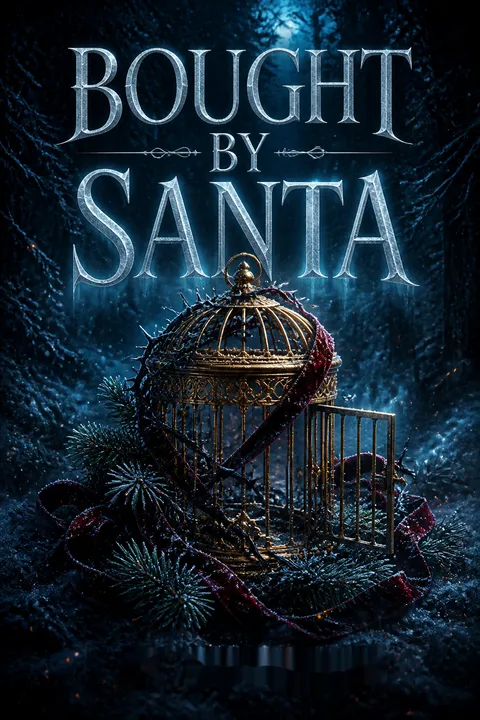

Plot Summary
Bloodlines and Burdens
Nicklas Knight, heir to a powerful crime family, is burdened by the weight of his father's expectations. The Knight empire, rooted in blood and tradition, demands an heir to secure its future. Nicklas is haunted by the family's curse—only one of three children survives to lead. His siblings, Ruby and Jack, are either exiled or unreliable, leaving him alone to shoulder the legacy. The pressure to breed, to continue the line, is suffocating. Every family dinner is a chess match, every conversation a veiled threat. Nicklas's world is one of opulence and violence, where love is a transaction and loyalty is measured in blood. The empire's survival depends on his ability to produce an heir before Christmas, or risk the family's extinction.
Sisters and Sacrifice
Carolina Sterling's life is defined by sacrifice. After a tragic accident leaves her younger sister Willow paralyzed and their father dead, Carolina becomes both provider and protector. Their mother, lost to addiction, abandons them, forcing Carolina to drop out of school and work menial jobs to pay for Willow's care. The sisters cling to their traditions—decorating the tree, sharing hot chocolate—finding joy in small rituals. But Carolina's desperation grows as bills pile up and hope dwindles. She dreams of a better life for Willow, one free from the confines of a care home. The love between the sisters is fierce, a beacon in a world that has been anything but kind.
Empire of Shadows
Nicklas's world is a labyrinth of secrets and shifting alliances. His father's cold ambition and his cousin Arthur's watchful eye keep him on edge. The family's business—built on crime, flesh, and fear—demands absolute loyalty. Nicklas is both king and pawn, forced to navigate treacherous waters where a single misstep could mean ruin. His siblings are casualties of this world: Ruby, married off for power, and Jack, a gambler and liability. The family's curse looms, a reminder that survival comes at a cost. Nicklas's only path forward is to secure an heir, even if it means sacrificing his own desires.
Desperate Games
Carolina, driven by desperation, enters the world of high-stakes seduction. She dresses to kill, seeking a wealthy man who can rescue her and Willow from poverty. Her plan is calculated—charm, seduce, and secure a future. But the night takes a dark turn when she witnesses a brutal execution in an alley. Her date flees, leaving her alone and vulnerable. The men in Santa suits are not saviors but predators. Carolina's life is forever changed as she becomes a witness to violence, her fate now entwined with the most dangerous man in New York.
Witness in the Alley
Nicklas, disguised as Santa, is on a mission of retribution. When Carolina stumbles upon his execution, she becomes a liability. Her defiance and spirit intrigue him—she fights even as he chokes her into unconsciousness. Instead of killing her, Nicklas sees an opportunity. She is desperate, beautiful, and willing to do anything for her sister. He takes her captive, recognizing in her the perfect vessel for his heir. The alley becomes the crucible where two desperate souls collide, setting in motion a twisted bargain that will change both their lives.
Captive and Captor
Carolina awakens in Nicklas's opulent penthouse, bound and stripped of agency. Her captor is both terrifying and magnetic, offering her a devil's bargain: bear his child in exchange for ten million dollars and a future for Willow. The power dynamic is clear—Nicklas holds all the cards. Yet Carolina's spirit refuses to break. She negotiates, demands terms, and insists on her own conditions. The contract is drawn, binding her to a month of submission and breeding. The lines between captor and captive blur as desire and necessity intertwine.
The Devil's Bargain
The breeding contract is both a prison and a lifeline. Carolina is forced to submit to Nicklas's every demand—her body, her pleasure, her very future are his to command. The rules are strict: exclusivity, dietary restrictions, and absolute obedience. Yet Carolina pushes back, challenging Nicklas at every turn. Their encounters are a battle of wills, each seeking to dominate and possess the other. The contract becomes a crucible, forging a connection that is as much about power as it is about survival.
Bound by Desire
The physical relationship between Nicklas and Carolina is intense, raw, and often brutal. He demands authenticity—no faking, no lies. Carolina, conditioned to perform for men, must relearn her own pleasure. Their sex is a battlefield, a place where pain and ecstasy mingle. Nicklas punishes her for deception, but also rewards her honesty. As they push each other's boundaries, a strange intimacy develops. Carolina discovers her own desires, her own agency, even as she submits to his control. The line between love and possession grows ever thinner.
The Breeding Contract
The contract is tested as Carolina asserts her own needs. She demands equality, challenges the double standards, and insists on mutual exclusivity. Nicklas, used to absolute control, is forced to adapt. Their power struggle reaches a climax as they both sign the contract, sealing their fates. The act of signing is both surrender and victory—a recognition that neither can truly dominate the other. The breeding begins in earnest, each encounter a mix of passion, resentment, and longing.
Awakening and Defiance
Carolina's journey is one of awakening. She learns to embrace her own desires, to find strength in vulnerability. Nicklas, too, is changed—her defiance and spirit challenge his worldview. Their relationship becomes a crucible for growth, each pushing the other to new heights. The family's expectations, the curse, and the looming deadline for conception add urgency to their union. As Christmas approaches, the stakes grow ever higher.
The Family Table
Nicklas introduces Carolina to his family, claiming her as his own. The dinner is a battlefield of power and tradition, with Ruby and Caspian questioning her worth. Carolina is both outsider and queen, forced to navigate the treacherous politics of the Knight dynasty. The family's history of buying and selling women is laid bare, and Carolina must decide whether to accept her role or fight for something more. The dinner ends with a silent truce, but the war for the family's future is far from over.
The Test of Trust
The Knight family's world is one of constant testing. Carolina is subjected to a brutal trial—identifying Nicklas among hooded men, forced to shoot or be shot. The test is both a rite of passage and a demonstration of loyalty. Carolina's success cements her place in the family, but at a terrible cost. The trauma of violence, the weight of guilt, and the ever-present threat of betrayal haunt her. Trust is a fragile currency, easily spent and rarely earned.
The Price of Loyalty
Tragedy strikes when Willow is killed in a botched assassination meant for Carolina. The loss is devastating, shattering the fragile hope that Carolina has built. Grief turns to rage as she seeks vengeance, killing her sister's murderer with her own hands. The act is both catharsis and damnation, marking her as a true Knight. The family rallies around her, but the cost of loyalty is steep. Carolina is forever changed, her innocence lost in the fires of retribution.
The King's Approval
Arthur, the family's king, arrives to pass judgment. His approval is both a blessing and a curse, granting Nicklas and Carolina the right to marry and rule. The estate, a symbol of the family's dark legacy, becomes both home and prison. Nicklas and Carolina must decide whether to embrace tradition or forge a new path. The weight of the past presses down, but the promise of a new legacy offers hope.
Betrayal in the Blood
Caspian's betrayal is revealed—he orchestrated the attacks on Jack and Willow, seeking to reclaim power and punish Nicklas for his perceived weakness. The confrontation is brutal, a final reckoning between father and son. Nicklas, with Carolina at his side, chooses love over legacy, killing Caspian and ending the cycle of violence. The act is both liberation and condemnation, freeing them from the past but binding them to the consequences of their choices.
The Heir's Deadline
With Christmas approaching, the pressure to conceive an heir intensifies. Carolina's grief threatens to consume her, but Nicklas's unwavering support helps her find strength. Their love, forged in pain and tested by fire, becomes the foundation for a new future. The curse of the Knights looms, but together they defy fate. A positive pregnancy test brings hope, a promise that the family's legacy will continue—not through fear, but through love.
Death in December
The death of Willow marks the end of innocence, but also the beginning of a new chapter. Carolina scatters her sister's ashes in the Hudson, honoring her wish to swim with the mermaids. The act is both farewell and rebirth, a letting go of the past and an embrace of the future. The family gathers to mourn and to celebrate, united by loss and hope. Carolina, once a pawn, is now queen—her strength and resilience the true legacy of the Knights.
Vengeance and Ashes
Nicklas and Carolina exact vengeance on those who wronged them, bringing closure to the cycle of violence. The estate is cleansed, the ghosts of the past laid to rest. Together, they reclaim their home, transforming it into a place of light and love. The family curse is broken, not by bloodshed, but by the power of choice. The future is uncertain, but for the first time, it is theirs to shape.
The Final Reckoning
The story ends with Nicklas and Carolina's wedding, a union forged in darkness but illuminated by hope. The family gathers, old wounds healing as new bonds are formed. Ruby, still haunted by her own demons, watches from the shadows, her fate uncertain. The curse of the Knights lingers, but the promise of a new legacy shines brighter. Nicklas and Carolina, once captor and captive, are now partners—bound by love, loyalty, and the promise of forevermore.
A New Legacy
In the aftermath of violence and loss, Nicklas and Carolina build a new legacy. Their love, tested by fire, becomes the foundation for a family that defies the old ways. The estate, once a symbol of oppression, is transformed into a home. The birth of their daughter, Willow, is both a tribute to the past and a beacon for the future. The Knights' curse is broken, not by blood, but by the power of love and choice. The story ends with hope—a new era for a family once defined by darkness.
Analysis
Bought by Santa is a dark, modern fairy tale that explores the intersection of power, trauma, and love within the context of a crime family's legacy. At its core, the novel is a meditation on agency—how individuals navigate systems designed to control and commodify them, and how love can be both a weapon and a refuge. The breeding contract, a symbol of patriarchal control, becomes a site of resistance and transformation as Carolina asserts her own desires and negotiates the terms of her captivity. The story's violence is not gratuitous, but a means of exploring the cost of survival in a world where loyalty is measured in blood. The family curse, a metaphor for generational trauma, is ultimately broken not by brute force, but by the willingness to choose love over legacy. The novel's message is clear: true power lies not in domination, but in the courage to build something new from the ashes of the past. In a world defined by darkness, hope is an act of defiance—and love, in all its messy, complicated glory, is the only legacy worth fighting for.
Review Summary
People Also Read
Characters
Nicklas Knight
Nicklas is the reluctant king of the Knight crime empire, a man forged in violence and expectation. Raised to be ruthless, he is haunted by the family curse and the weight of his father's demands. His relationships are transactional, his emotions tightly controlled. Yet beneath the surface lies a deep longing for connection and meaning. Nicklas's journey is one of transformation—through his relationship with Carolina, he learns vulnerability, love, and the possibility of redemption. His struggle is not just for power, but for the right to define his own legacy.
Carolina Sterling
Carolina is defined by sacrifice and resilience. Orphaned and impoverished, she becomes both mother and provider to her disabled sister Willow. Her desperation leads her into the world of the Knights, where her body becomes both weapon and currency. Carolina's journey is one of awakening—she discovers her own desires, her own strength, and her capacity for both love and vengeance. Her relationship with Nicklas is a crucible, transforming her from pawn to queen. She is both victim and victor, her spirit unbroken even in the face of unimaginable loss.
Willow Sterling
Willow is Carolina's younger sister, paralyzed in a childhood accident. She is the embodiment of hope and resilience, her spirit unbroken by tragedy. Willow's presence is a source of strength for Carolina, a reminder of what is worth fighting for. Her death is the story's turning point, shattering Carolina's innocence and propelling her into a world of vengeance and power. Willow's memory becomes both a wound and a beacon, guiding Carolina toward a new legacy.
Caspian Knight
Caspian is the architect of the Knight empire's darkness. Cold, calculating, and ruthless, he values legacy above all else. His love is conditional, his loyalty transactional. Caspian's betrayal—plotting against his own children—reveals the rot at the heart of the family. He is both mentor and adversary to Nicklas, a symbol of the old ways that must be destroyed for the family to survive. His death marks the end of an era and the beginning of a new legacy.
Ruby Knight
Ruby is both victim and survivor, married off for power and trapped in a loveless union. Her sharp wit and hidden strength make her both ally and adversary. Ruby's journey is one of self-discovery—she must learn to claim her own power, to break free from the chains of family and tradition. Her relationship with Carolina is complex, marked by rivalry, resentment, and ultimately, respect. Ruby's fate remains uncertain, a reminder that not all wounds can be healed.
Jack Knight
Jack is the family's wild card—charming, unreliable, and haunted by his own demons. His gambling and recklessness make him both liability and asset. Jack's near-death experience is a catalyst for change, forcing the family to confront the curse that haunts them. His relationship with Nicklas is fraught with rivalry and loyalty, a reflection of the family's fractured bonds. Jack's survival is both miracle and warning—a reminder that the past is never truly buried.
Arthur Hatt
Arthur is the family's king, a distant and calculating figure who holds the power to bless or destroy. His approval is both prize and curse, a symbol of the old world's grip on the new. Arthur's presence is a constant reminder of the family's obligations, the weight of tradition, and the cost of rebellion. He is both judge and executioner, his favor as dangerous as his wrath.
Marco
Marco is Nicklas's right hand, a man of few words and absolute loyalty. He is the family's shield, willing to do whatever it takes to protect the empire. Marco's presence is both comfort and threat—a reminder that in the world of the Knights, violence is never far away. His relationship with Carolina is one of respect, recognizing in her the same strength and resilience that defines the family.
Sergei, Lee, and Dominic
These three crime lords are both allies and threats, each with their own ambitions and loyalties. They represent the shifting alliances and constant danger of the Knight world. Their loyalty to Nicklas is hard-won, their respect never guaranteed. Together, they form the backbone of the family's power, but their presence is a reminder that trust is always provisional.
The Knight Family Curse
The curse is both myth and reality—a belief that only one of three heirs survives to lead. It shapes every decision, every relationship, casting a shadow over the family's future. The curse is a metaphor for the destructive power of tradition, the cost of survival, and the possibility of breaking free. It is both warning and challenge, a test that each generation must face.
Plot Devices
The Breeding Contract
The breeding contract is the story's central plot device, binding Carolina and Nicklas in a relationship that is both transactional and transformative. It is a symbol of the family's legacy, the commodification of women, and the power dynamics at play. The contract's strict terms—exclusivity, obedience, and a deadline for conception—create both tension and intimacy. It is a crucible for character development, forcing both protagonists to confront their own desires, fears, and limitations.
The Knight Family Curse
The Knight family curse is a constant presence, shaping decisions and relationships. It is both a source of tension and a narrative device for foreshadowing tragedy. The curse's inevitability is challenged by the characters' choices, creating a dynamic interplay between fate and free will. Its resolution—through love and the birth of a new heir—serves as both closure and rebirth.
Power Dynamics and Role Reversal
The story is driven by the constant negotiation of power—between captor and captive, man and woman, parent and child. The contract, the test, and the family dinner are all arenas for these battles. Role reversal is a key device—Carolina, initially powerless, gradually claims agency, while Nicklas, initially dominant, learns vulnerability. Their relationship is a dance of dominance and submission, each learning to trust and yield.
Violence as Transformation
Violence is both threat and catalyst—executions, tests, and betrayals are all turning points. Each act of violence transforms the characters, stripping away innocence and forging new identities. The story uses violence not just for shock, but as a means of exploring trauma, resilience, and the possibility of healing.
The Test
The test—Carolina's forced choice to identify and spare Nicklas among hooded men—is a pivotal plot device. It is both a rite of passage and a demonstration of loyalty, echoing the family's brutal traditions. The test's outcome cements Carolina's place in the family, but at the cost of innocence and peace.
The Curse's Resolution
The story's structure is circular, beginning and ending with the family's legacy and the threat of extinction. The birth of a new heir, the transformation of the estate, and the wedding all serve as symbols of renewal. The curse is broken not by violence, but by love, choice, and the willingness to build a new legacy.
Download PDF
Download EPUB
.epub digital book format is ideal for reading ebooks on phones, tablets, and e-readers.








































