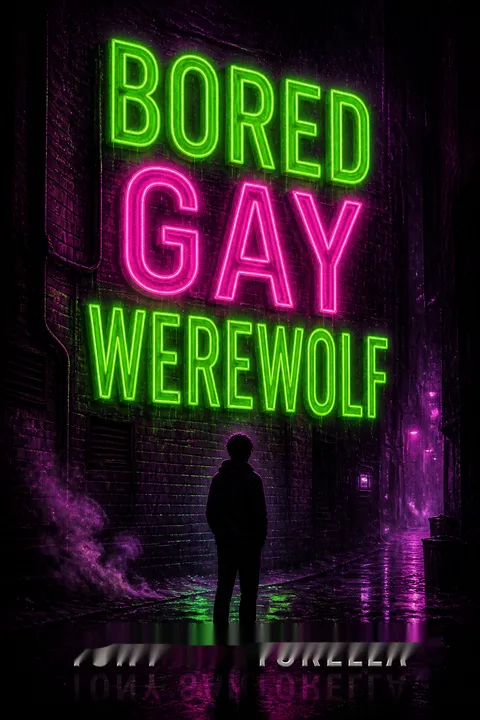

Plot Summary
Hangover in the Sunlight
In a stark, messy studio apartment, Brian, a twenty-something gay werewolf, emerges from a haze of alcohol and self-loathing. He checks for injuries and missed messages, reassured by the familiar chaos of his life. The morning routine is a blend of regret, avoidance, and attempts at self-improvement, all shadowed by the knowledge that his monthly transformation is due. Brian's isolation is palpable, his humor self-deprecating, and his sense of being out of place—both in his apartment and his own skin—sets the tone for a story about searching for belonging while wrestling with monstrous impulses.
Boxes, Memories, and Secrets
Sorting through boxes labeled by his mother, Brian is forced to confront memories of dropping out of college and returning home, his parents' confusion and disappointment, and the secret of his werewolf identity. The narrative flashes back to his awkward coming out, both as gay and as a werewolf, and the silent, strained aftermath with his family. Brian's sense of alienation deepens, but so does his resolve to start over in the city, even if it means living among unpacked boxes and unresolved trauma. The chapter explores the weight of secrets and the longing for acceptance.
The Park, the Bar, the Bite
Brian navigates his job at The Romanesco, a neighborhood restaurant, with friends Nik and Darby. The trio's camaraderie is laced with banter and mutual support, but Brian's werewolf nature complicates everything. After a night of drinking and a blackout transformation, Brian discovers evidence of a violent attack in the park. The city is abuzz with news of animal attacks, and Brian's guilt and anxiety mount. When a mysterious customer, Tyler, reveals himself as another werewolf, Brian is both terrified and intrigued by the possibility of community—and exposure.
Tyler's Offer, Brian's Dilemma
Tyler, charismatic and corporate, invites Brian to join a self-improvement "pack" for werewolves, blending business jargon with mystical mentorship. Brian is skeptical of Tyler's slick persona and the idea of harnessing "lupine energy" for personal and professional gain. Yet, the promise of control and belonging is tempting. Brian's inertia and self-doubt war with his curiosity, while his friends remain unaware of the supernatural drama unfolding. The chapter explores the tension between self-destruction and the hope for transformation, both literal and metaphorical.
Friends, Fights, and Full Moons
As Brian juggles work, drinking, and his new connection with Tyler, his relationships with Nik and Darby become strained. The trio's post-shift rituals—cigarettes, karaoke, and confessions—reveal their own struggles with family, identity, and ambition. Brian's inability to open up isolates him further, even as his friends reach out. The looming full moon brings anxiety and the risk of violence, and Brian's guilt over past attacks grows. The chapter captures the bittersweet comfort of chosen family and the pain of keeping them at arm's length.
Self-Help and Werewolf Workouts
Tyler's mentorship intensifies, introducing Brian to a regimen of exercise, mantras, and mindfulness designed to control his werewolf urges. The process is both absurd and effective: Brian's body changes, his confidence grows, but so does his dependence on Tyler's approval. The narrative satirizes wellness culture while exploring the genuine desire for self-mastery. Brian's progress is measured in both physical gains and the ability to avoid killing during his transformations. Yet, the cost is a growing distance from his old friends and a creeping sense of being remade in Tyler's image.
The Pack™: Building a Brand
Tyler formalizes his werewolf support group as The Pack™, complete with branding, social media, and a pyramid-scheme recruitment model. Brian is roped into administrative work, blog posts, and endless brainstorming sessions, while Mark, Tyler's loyal protégé, joins the team. The dynamic shifts from mentorship to competition, with toxic masculinity and corporate jargon infecting every interaction. Brian's discomfort grows as The Pack™'s mission morphs from support to domination, and the pressure to recruit new members—by any means—raises ethical and existential alarms.
Marking, Murder, and Guilt
The concept of "marking"—unconsciously targeting those who anger him for death during the full moon—haunts Brian. He realizes past victims were not random, but the result of suppressed rage. The guilt is overwhelming, especially as evidence mounts that he killed a customer who insulted him. Tyler's philosophy justifies violence as natural, but Brian is horrified by the implications. The chapter delves into the psychological toll of living with uncontrollable aggression and the fear of hurting those he cares about, setting the stage for a crisis of conscience.
Camping with the Enemy
Tyler invites Brian, Mark, and others—including Tyler's girlfriend Sarah—on a camping trip meant to build camaraderie and test their werewolf skills. The trip is a social and physical ordeal: Brian is out of place among the affluent, straight crowd, and Sarah's invasive questions about his sexuality push him to the brink. The toxic dynamics of The Pack™ come to a head, with Tyler demanding that Brian and Mark recruit or "make" new werewolves. The trip ends in betrayal, violence, and a sexual encounter between Brian and Mark that complicates loyalties and deepens Brian's sense of alienation.
Breaking Points and Betrayals
Back in the city, Brian tries to extricate himself from The Pack™, but Tyler's grip tightens. Blackmail, manipulation, and threats escalate, culminating in a deadly confrontation during the full moon. Mark is killed in a werewolf battle, and Brian is left traumatized and alone. Tyler's ambition turns ruthless, and Brian realizes he must choose between complicity and resistance. The chapter is a turning point, as Brian's attempts at self-improvement and belonging are revealed as traps, and the cost of survival becomes unbearably high.
Coming Out, Coming Clean
With Tyler threatening his friends, Brian finally tells Nik and Darby the truth about being a werewolf. Their reaction is supportive, even anticlimactic—they suspected all along. The relief is profound, and the trio's bond is strengthened by honesty and vulnerability. Together, they prepare for Tyler's inevitable attack, pooling their skills and resources. The chapter is a catharsis, as Brian sheds the burden of secrecy and finds acceptance in his chosen family, setting the stage for a final showdown.
The Final Full Moon
As the full moon rises, Brian, Nik, and Darby barricade The Romanesco and arm themselves with whatever weapons they can find. The tension is electric, blending humor, fear, and camaraderie. When Tyler arrives in werewolf form, a brutal fight ensues, with Brian and Tyler locked in a deadly struggle. Nik and Darby's quick thinking—and a well-timed silver bullet—turn the tide. The battle is both physical and symbolic, representing the triumph of cooperation and care over domination and aggression.
Battle at The Romanesco
The fight devastates the restaurant, but the friends' teamwork prevails. Darby's hidden gun, loaded with silver bullets from their partner Abe, proves decisive. Tyler is killed, reverting to human form in death. The aftermath is chaotic but victorious: the friends tend to their wounds, clean up the evidence, and reflect on what they've survived. The chapter is a climax of violence, catharsis, and the power of solidarity in the face of monstrous threats.
Aftermath and Silver Bullets
As they recover, the friends discover that Abe is not just a florist but a descendant of Van Helsing, dedicated to policing the boundaries between the mystical and mundane. Abe's intervention saved Brian's life, and his knowledge of werewolf lore—including the effectiveness of silver—proves invaluable. The friends are invited to join Abe in his secret mission, offering a new purpose and community. The chapter closes the arc of isolation and fear, replacing it with hope, agency, and the promise of adventure.
Van Helsing's Invitation
In the secret library beneath Abe's flower shop, Brian, Nik, and Darby are offered a place in a broader struggle to protect the world from supernatural threats. The invitation is both literal and metaphorical: a chance to belong, to use their unique strengths, and to redefine what it means to be a pack. The story ends with the friends united, their bonds forged in adversity, ready to face whatever comes next—not as lone wolves, but as a chosen family.
Analysis
A queer, satirical coming-of-age about power, belonging, and self-acceptanceBored Gay Werewolf uses the supernatural as a lens to explore the anxieties of modern adulthood: the search for identity, the lure and danger of self-help culture, and the messy, necessary work of building community. Brian's journey is both deeply personal and broadly resonant, capturing the exhaustion of late capitalism, the absurdity of wellness trends, and the pain of feeling monstrous in a world that demands conformity. The novel's humor and irreverence mask a profound empathy for its characters, who are allowed to be flawed, funny, and ultimately heroic in their own ways. The story rejects toxic models of masculinity and power, advocating instead for vulnerability, cooperation, and the radical act of letting others in. In the end, it's not about taming the beast within, but about finding a pack that loves you, fangs and all.
People Also Read
Characters
Brian
Brian is the protagonist, a gay werewolf in his mid-twenties, adrift after dropping out of college and estranged from his family. His life is a cycle of hangovers, self-recrimination, and failed attempts at self-improvement. Brian's humor is sharp and defensive, masking deep loneliness and a longing for connection. His werewolf nature is both a metaphor for and a literal source of his struggles with anger, addiction, and self-control. Over the course of the story, Brian evolves from isolated and self-destructive to vulnerable and open, finding strength in friendship and rejecting toxic models of masculinity. His journey is one of self-acceptance, learning that true power lies in community and care, not domination.
Nik
Nik is Brian's closest confidante at The Romanesco, a bartender and nursing student with a sharp wit and a big heart. As a first-generation Filipino-American, she's navigated her own family's expectations and disappointments, forging her path with determination. Nik's maternal instincts are balanced by a no-nonsense approach to life; she's the glue that holds the friend group together. Her relationship with Brian is marked by tough love, empathy, and a willingness to call him out when needed. Nik's growth mirrors Brian's: she learns to set boundaries, accept help, and embrace her own agency, ultimately playing a crucial role in the group's survival.
Darby
Darby is the group's wild card: a nonbinary, artistic soul who thrives on reinvention and performance. Their flamboyance and humor mask insecurities about belonging and success. Darby's relationship with Brian is both playful and profound, offering comic relief and emotional insight. Their romance with Abe adds depth, revealing a longing for safety and recognition. Darby's arc is about embracing vulnerability, trusting others, and channeling their creativity into acts of courage. In the final battle, their quick thinking and resourcefulness are pivotal, proving that strength comes in many forms.
Tyler
Tyler is both mentor and antagonist, embodying the seductive dangers of self-help culture and toxic masculinity. His vision for The Pack™ is a blend of business jargon, wellness trends, and supernatural power, masking deep insecurity and a need for control. Tyler's relationship with Brian is manipulative, oscillating between encouragement and coercion. His inability to accept vulnerability or dissent leads to his downfall. Tyler's arc is a cautionary tale about the perils of unchecked ambition and the hollowness of power without empathy.
Mark
Mark is Tyler's protégé, a physically gifted but emotionally stunted man who craves approval and belonging. His relationship with Brian is fraught with competition, attraction, and misunderstanding. Mark's willingness to follow Tyler's lead, even into violence and self-destruction, highlights the dangers of conformity and the longing for acceptance. His death is both a consequence of the toxic pack dynamic and a catalyst for Brian's final break with Tyler.
Sarah
Sarah is Tyler's long-term girlfriend, a PR executive who navigates the group's dynamics with optimism and a desire for connection. Her attempts to befriend Brian are clumsy and often invasive, reflecting her own anxieties about her relationship with Tyler and her place in the group. Sarah's presence exposes the limits of performative allyship and the discomfort of being an outsider in both queer and supernatural circles.
Abe
Abe is Darby's partner and, unbeknownst to the group, a descendant of the legendary monster-hunter Van Helsing. His quiet presence belies deep knowledge and a commitment to maintaining the balance between the mystical and mundane. Abe's intervention at key moments saves lives, and his eventual revelation offers the group a new sense of purpose. His relationship with Darby is tender and grounding, providing a counterpoint to the chaos of the werewolf world.
Brian's Parents
Brian's parents represent the pain of unmet expectations and the difficulty of bridging generational and cultural divides. Their inability to understand Brian's struggles—both as a gay man and a werewolf—fuels his sense of isolation. Yet, their gestures of care, however awkward, linger as a source of both comfort and regret.
The Romanesco Staff
The staff at The Romanesco—bartenders, servers, cooks—form the backdrop of Brian's daily life. Their routines, gossip, and small acts of kindness create a sense of community, even as Brian struggles to let them in. They embody the resilience and solidarity of service workers, weathering the storms of difficult customers and personal crises together.
The Pack™
The Pack™ is both a literal group of werewolves and a metaphor for the seductive allure of belonging at any cost. Its promise of power, control, and self-optimization is undermined by competition, aggression, and exploitation. The group's implosion mirrors the dangers of cult-like thinking and the importance of questioning authority.
Plot Devices
Transformation as Metaphor
The monthly transformation is both a literal and symbolic device, representing the struggle with addiction, anger, and the fear of hurting others. Brian's journey to control his werewolf self parallels his efforts to manage his emotions, relationships, and sense of self. The physicality of the change—painful, messy, unpredictable—underscores the difficulty of real transformation.
Chosen Family vs. Toxic Pack
The narrative juxtaposes the supportive, imperfect community of friends with the hierarchical, exploitative structure of The Pack™. This contrast is explored through dialogue, group dynamics, and the escalating stakes of loyalty and betrayal. The story critiques the allure of charismatic leaders and the dangers of conformity, advocating instead for mutual care and vulnerability.
Satire of Self-Help and Corporate Culture
Tyler's mentorship is a send-up of contemporary self-improvement culture, blending TED Talk platitudes, fitness routines, and branding into a cult-like enterprise. The absurdity of The Pack™'s corporate trappings highlights the emptiness of power without substance, while also exploring the genuine desire for meaning and mastery.
Foreshadowing and Recurring Motifs
The cyclical nature of the moon structures the narrative, marking moments of crisis and transformation. Flowers—especially wolfsbane—signal danger and protection, while silver bullets become a literal and symbolic means of confronting the monstrous. Recurring references to pop culture, food, and service work ground the supernatural in the everyday.
Confession and Catharsis
The story's emotional arc hinges on moments of confession—coming out as gay, as a werewolf, as vulnerable. These revelations are met with acceptance, humor, and solidarity, reinforcing the theme that true strength lies in honesty and connection. The final battle is both a physical and emotional catharsis, resolving tensions and opening the door to new possibilities.
Download PDF
Download EPUB
.epub digital book format is ideal for reading ebooks on phones, tablets, and e-readers.








































