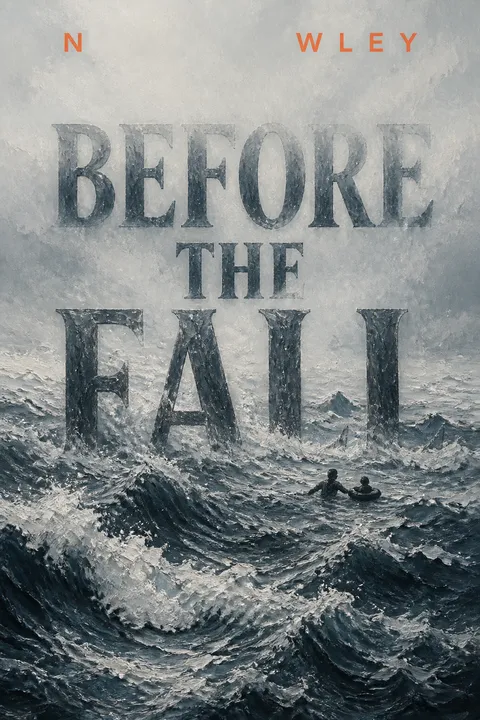

Plot Summary
Night Flight, Fateful Passengers
On a foggy August night, a private plane prepares to depart Martha's Vineyard for New York. Onboard are the Bateman family—David, a powerful news executive; Maggie, his wife; their children Rachel and JJ; their bodyguard Gil; the wealthy Kiplings; and Scott Burroughs, a struggling painter invited at the last minute. Each passenger carries their own history, secrets, and anxieties, converging by chance or fate. The atmosphere is one of luxury and routine, but beneath the surface, tensions and unresolved issues simmer. As the plane lifts off, none suspect that within minutes, their lives will be irrevocably changed, setting the stage for tragedy and survival.
The Crash and the Sea
Sixteen minutes after takeoff, the plane plunges into the Atlantic, shattering the illusion of safety. Scott regains consciousness in the cold, oil-slicked water, disoriented and injured. Debris burns around him, and the cries of a child pierce the night. Driven by instinct and memory of past loss, Scott finds JJ, the Batemans' four-year-old son, clinging to a seat cushion. With a dislocated shoulder and only one working arm, Scott improvises a way to keep the boy afloat. The vastness of the ocean, the threat of sharks, and the uncertainty of direction create a harrowing ordeal, as survival becomes a desperate, minute-by-minute struggle.
Survival Against the Odds
Scott, haunted by memories of his sister's drowning and inspired by childhood heroes, resolves to swim for shore, towing JJ behind him. The night is endless, the water frigid, and exhaustion threatens to overwhelm them both. They face waves, hypothermia, and the terror of unseen predators. Scott's internal monologue oscillates between despair and determination, drawing on every ounce of willpower. The boy's innocence and trust become both a burden and a source of strength. As dawn breaks, land appears on the horizon—a miracle after hours of relentless effort. They collapse on Montauk's beach, alive but forever changed.
The Boy and the Swimmer
A fisherman finds Scott and JJ and drives them to the hospital. Both are hypothermic, battered, and in shock. The media quickly descends, eager for a story of survival. Scott, a stranger to the boy, becomes his anchor in the chaos, refusing to leave his side. Medical staff treat their injuries, and the authorities begin to question Scott about the crash. The boy's only surviving family, his aunt Eleanor and her husband Doug, arrive to take custody. Scott's act of heroism forges a deep, if fragile, connection between him and JJ, as well as with Eleanor, who is thrust into sudden motherhood.
Media Storm Unleashed
News of the crash and the miraculous survival of Scott and JJ explodes across television and the internet. The Batemans' fame and the Kiplings' wealth fuel speculation and conspiracy theories. Bill Cunningham, a bombastic news anchor and Bateman's friend, seizes the narrative, casting doubt on the official story and painting Scott as both hero and possible suspect. The media's relentless scrutiny invades Scott's life, turning his private trauma into public spectacle. The investigation intensifies, with government agencies, journalists, and the public all seeking someone to blame, while the truth remains elusive.
The Weight of Heroism
As Scott recovers, he is lauded as a hero but feels alienated by the attention. The label sits uneasily on his shoulders, clashing with his self-image as a failed artist and flawed man. He is hounded by reporters, his past dissected, and his motives questioned. The boy, traumatized and mute, clings to Scott, deepening their bond. Scott's paintings—haunting images of disasters—become objects of fascination and suspicion. He seeks refuge with Layla, a wealthy art patron, but even there, the media finds him. The burden of survival and the expectations of others threaten to undo him.
The Dead and the Living
The bodies of the crash victims are slowly recovered, each funeral a public event. The Bateman and Kipling families are left to mourn amid legal wrangling and media intrusion. Eleanor, now JJ's guardian, struggles with her new responsibilities and the sudden influx of wealth. Doug, her husband, is consumed by resentment and greed, their marriage unraveling under the strain. The investigation into the crash grows more complex, with theories ranging from mechanical failure to terrorism, sabotage, and even murder. The survivors are caught between grief, suspicion, and the need to move forward.
Unraveling the Past
The narrative delves into the histories of the key players: David Bateman's rise from political consultant to media mogul; Maggie's journey from idealistic teacher to insulated wife; Ben Kipling's entanglement in financial crimes; and Scott's long struggle with addiction, failure, and artistic rebirth. Each character's past shapes their actions and relationships, casting new light on the events leading up to the crash. The Batemans' previous trauma—the kidnapping of their daughter Rachel—haunts the family, while the Kiplings' secrets threaten to surface. The interplay of personal history and public tragedy becomes central to understanding the present.
The Bateman Legacy
David Bateman's life is dissected: his philosophy of "making the news," his creation of a partisan media empire, and the personal costs of ambition. His marriage to Maggie is marked by love, distance, and unresolved pain. The Batemans' wealth and prominence make them both influential and vulnerable, targets for envy, violence, and speculation. Their children, especially Rachel, bear the scars of past trauma. The family's security measures, meant to protect, cannot prevent disaster. In death, the Batemans become symbols—of power, of loss, and of the dangers of living in the public eye.
Kipling's Secrets and Fears
Ben Kipling, a Wall Street titan, is revealed to be under federal investigation for laundering money for hostile nations. As the crash approaches, Kipling is beset by anxiety, fearing arrest and betrayal. His marriage to Sarah is strained by his obsession with wealth and status. The Kiplings' inclusion on the flight is a last-minute decision, adding another layer of intrigue. After the crash, Ben's financial crimes become a focal point for investigators and the media, fueling theories of sabotage and assassination. The intersection of personal greed and global politics complicates the search for truth.
The Investigation Deepens
Multiple agencies—NTSB, FBI, OFAC—compete to control the investigation. Theories proliferate: mechanical failure, pilot error, terrorism, targeted murder. The Batemans' bodyguard, Gil Baruch, is scrutinized for his mysterious past and missing body. The pilots' backgrounds are examined, and the flight crew's relationships come under suspicion. Scott is repeatedly questioned, his presence on the plane and his disaster-themed art raising eyebrows. The search for the wreckage is hampered by weather and depth, but each new discovery—debris, bodies, bullet holes—brings the investigators closer to the truth, even as public pressure mounts.
Theories and Suspicions
As evidence accumulates, the investigation is plagued by leaks, media manipulation, and internal rivalries. Bill Cunningham uses his platform to promote wild theories, implicating Scott and others. The seizure of Scott's paintings by the FBI is both a violation and a sign of desperation. The Batemans' and Kiplings' wealth, enemies, and secrets provide endless fodder for speculation. The survivors, especially Scott and Eleanor, are caught in a web of suspicion, their every move scrutinized. The line between victim and suspect blurs, and the search for a simple explanation gives way to the complexity of human motives.
The Orphan's New World
With his parents and sister gone, JJ becomes the center of a new family dynamic. Eleanor, overwhelmed but determined, navigates guardianship, inheritance, and the boy's trauma. Doug's resentment and opportunism threaten to destabilize the household. Scott's bond with JJ offers hope and healing, but also complicates matters. The boy's silence is both a symptom of grief and a shield against a world that has become incomprehensible. The question of who will shape JJ's future—emotionally and financially—becomes a microcosm of the larger struggle between self-interest and genuine care.
Art, Memory, and Disaster
Scott's art, long ignored, becomes both evidence and therapy. His paintings of disasters—trains, tornadoes, plane crashes—are revealed to be haunted by the image of his drowned sister, a personal trauma transmuted into public spectacle. The act of painting is a way to process grief, guilt, and the randomness of fate. As the investigation seizes his work, Scott is forced to confront the meaning of his survival and the role of art in making sense of chaos. The intersection of personal memory and collective tragedy becomes a central theme, blurring the line between witness and creator.
The Truth in the Black Box
The recovery of the plane's black box and cockpit voice recorder provides the first concrete answers. Data reveals that the copilot, Charles Busch, took manual control, disengaged the autopilot, and put the plane into a fatal dive. The cockpit door was locked, and bullet holes indicate a desperate attempt to regain entry. The captain and bodyguard tried in vain to stop the disaster. The cause is not mechanical or conspiratorial, but human—a breakdown of mind and will. The randomness and senselessness of the act underscore the limits of reason in the face of tragedy.
The Copilot's Descent
Charles Busch's backstory emerges: a man marked by insecurity, addiction, and failed relationships, especially with flight attendant Emma Lightner. His obsession, jealousy, and self-loathing culminate in a final, catastrophic act. Alone in the cockpit, high and drunk, he mutters curses and locks out the captain, then crashes the plane in a moment of despair and rage. The deaths of the innocent are collateral damage in his private agony. The investigation's focus shifts from external threats to the internal darkness that can reside in anyone, and the impossibility of ever fully knowing another's pain.
Confrontation and Catharsis
As the truth comes out, Scott is summoned to a televised confrontation with Bill Cunningham. The interview becomes a battle over narrative, blame, and the meaning of heroism. Bill, armed with illegally obtained recordings and innuendo, tries to paint Scott as a manipulator and opportunist. Scott, weary but resolute, refuses to be defined by others' suspicions or the media's hunger for scandal. He exposes Bill's own moral bankruptcy and reclaims his story—not as a hero or a villain, but as a survivor. The novel closes with Scott choosing to move forward, to teach the boy to swim, to create, and to live with the knowledge that disaster and grace are inseparable parts of being human.
Analysis
A meditation on fate, trauma, and the search for meaningBefore the Fall is more than a thriller; it is a profound exploration of how individuals and societies respond to disaster. Through its layered structure and psychologically rich characters, the novel interrogates the human need for answers in the face of randomness and loss. The media's role in shaping, distorting, and exploiting tragedy is both critiqued and understood as a symptom of collective anxiety. The survivors' journeys—Scott's reluctant heroism, Eleanor's emergence as a protector, JJ's silent resilience—offer a counterpoint to the chaos, suggesting that grace and connection are possible even amid catastrophe. The novel ultimately argues that while we may never fully understand why disasters happen, our responses—compassion, creativity, and the refusal to surrender to cynicism—define us. In a world where the line between victim and suspect, truth and story, is ever-blurred, Before the Fall insists on the dignity of survival and the necessity of hope.
Review Summary
Before the Fall follows a private plane crash that leaves only two survivors: painter Scott Burroughs and four-year-old JJ. Reviews praise Hawley's tight plotting, character development, and critique of sensationalist media coverage. Many compare the structure to a TV series, noting flashbacks revealing each passenger's backstory. While most found it compelling and thought-provoking, some felt it dragged with excessive philosophical detours. The ending divided readers—some found it anticlimactic, others perfectly fitting. Overall, reviewers appreciated it as more than a typical thriller, offering deeper commentary on heroism, wealth, fate, and media manipulation, though expectations varied on pacing and resolution.
People Also Read



Characters
Scott Burroughs
Scott is a middle-aged painter whose life has been marked by failure, addiction, and the lingering trauma of his sister's drowning. Invited onto the Batemans' plane by chance, he becomes the sole adult survivor of the crash, saving young JJ through an epic swim. Scott's heroism is both genuine and deeply uncomfortable for him; he is thrust into the spotlight, his motives and past scrutinized. His art, focused on disasters, is both a confession and a coping mechanism. Scott's psychological journey is one of moving from self-doubt and isolation to reluctant acceptance of connection, responsibility, and the possibility of redemption.
JJ Bateman
JJ is the four-year-old son of David and Maggie Bateman, the only other survivor of the crash. Traumatized and mute, he clings to Scott as a surrogate protector. JJ's loss is total—his family, home, and sense of safety are gone. His journey is one of gradual reawakening, as he begins to trust again, first in Scott, then in his aunt Eleanor. JJ's silence and vulnerability make him the emotional center of the story, a symbol of both the fragility and resilience of the human spirit in the face of incomprehensible loss.
Eleanor Dunleavy
Eleanor is Maggie Bateman's younger sister, suddenly thrust into the role of JJ's guardian. She is kind, anxious, and unprepared for the responsibilities of motherhood and wealth. Her marriage to Doug is strained by grief, money, and Doug's resentment. Eleanor's psychological arc is one of moving from self-doubt and passivity to agency and protectiveness. She must navigate the competing demands of family, inheritance, and the media, ultimately choosing JJ's well-being over her own comfort or her husband's ambitions.
David Bateman
David is the founder of a major news network, a man who believes in shaping reality rather than reporting it. Driven, charismatic, and often absent, he is both a loving father and a distant husband. His past as a political consultant and his philosophy of "making the news" make him a symbol of modern power and its costs. David's legacy is both public and private—his death leaves a vacuum in his family and in the world he helped create. His life is a study in the tension between control and vulnerability.
Maggie Bateman
Maggie is a former preschool teacher whose life has been transformed by marriage to David and the traumas of wealth and public life. She is loving, empathetic, and haunted by the kidnapping of her daughter Rachel. Maggie's relationship with Scott is one of mutual recognition—two outsiders in a world of privilege. Her death, along with her daughter's, is the emotional fulcrum of the novel, a loss that reverberates through every character. Maggie embodies the costs of both love and survival in a world that offers no guarantees.
Ben Kipling
Ben is a Wall Street titan whose outward confidence masks deep anxiety and criminal entanglements. Under investigation for laundering money for hostile nations, Ben is consumed by paranoia and the fear of exposure. His marriage to Sarah is transactional and strained. Ben's presence on the plane is both a coincidence and a catalyst for conspiracy theories. His death is both a personal tragedy and a public scandal, emblematic of the dangers of unchecked ambition and the fragility of constructed identities.
Sarah Kipling
Sarah is Ben's wife, accustomed to luxury but uneasy with its emptiness. She is both a participant in and a critic of the world of wealth. Her relationship with Ben is marked by distance and resignation. Sarah's interactions with Maggie and Scott reveal her longing for authenticity and connection. Her death, like Ben's, is both a private loss and a public event, her life reduced to headlines and speculation.
Gil Baruch
Gil is the Batemans' Israeli bodyguard, a man with a legendary past and a stoic demeanor. Haunted by the deaths of his own family, Gil is both hyper-vigilant and fatalistic. His actions during the crash—attempting to break into the cockpit—are heroic but ultimately futile. Gil's missing body becomes a symbol of unresolved questions and the limits of protection. He represents the tension between control and chaos, and the impossibility of guaranteeing safety in a dangerous world.
Bill Cunningham
Bill is a bombastic news anchor, David Bateman's friend and protégé. He is both a true believer and a self-serving opportunist, using the crash to boost ratings and settle scores. Bill's relentless pursuit of a narrative—hero or villain, conspiracy or accident—drives much of the public hysteria. His willingness to break laws and exploit tragedy exposes the dark side of modern media. Bill's psychological need for control and meaning mirrors the larger societal hunger for answers, even at the cost of truth.
Charles Busch
Charles is the young copilot whose personal demons—addiction, insecurity, failed love—culminate in the deliberate crash of the plane. His actions are both inexplicable and all too human, the product of accumulated pain and a final, catastrophic loss of control. Charles's story is a cautionary tale about the dangers of untreated mental illness, the ripple effects of trauma, and the randomness of fate. His legacy is one of devastation, a reminder that the greatest threats often come from within.
Plot Devices
Interwoven Timelines and Perspectives
The novel employs a non-linear structure, shifting between present-day investigation, flashbacks to the lives of the victims, and the immediate aftermath of the crash. This mosaic approach allows the reader to piece together the mystery alongside the characters, gradually revealing motives, secrets, and connections. The use of different perspectives—Scott, Eleanor, the investigators, the media—creates a sense of ambiguity and complexity, resisting easy answers and highlighting the subjectivity of truth.
Media as Both Mirror and Manipulator
The relentless presence of the media is both a plot engine and a thematic concern. News coverage, talk shows, and social media amplify suspicion, distort facts, and create heroes and villains. Bill Cunningham's role as both mourner and provocateur exemplifies the power of narrative to shape reality. The media's hunger for scandal and closure drives the investigation and the characters' actions, blurring the line between public and private, fact and fiction.
Art as Metaphor and Evidence
Scott's disaster-themed paintings serve as both a metaphor for his internal state and a literal plot device. The FBI's seizure of his art, the media's fascination with his subject matter, and the revelation that each painting contains the face of his lost sister all underscore the interplay between personal trauma and public tragedy. Art becomes a way to process, confess, and bear witness, complicating the search for objective truth.
Foreshadowing and Symbolism
The novel is rich in foreshadowing: the Batemans' past trauma, the Kiplings' legal troubles, Scott's memories of drowning, and the recurring motif of disaster. Symbols—water, flight, silence, and the act of swimming—recur throughout, linking characters and events across time. The gradual revelation of the copilot's instability is seeded in early chapters, creating a sense of inevitability even as the investigation pursues other leads.
The Unreliable Nature of Memory and Narrative
The investigation's shifting theories, the media's competing narratives, and the characters' own doubts all highlight the unreliability of memory and the constructed nature of stories. The black box, the ultimate recorder of truth, is itself damaged and incomplete. The novel resists closure, suggesting that every explanation is partial, every narrative a product of perspective and need.
Download PDF
Download EPUB
.epub digital book format is ideal for reading ebooks on phones, tablets, and e-readers.








































