
Key Takeaways
1. The Elite Nature of Para Special Forces: Volunteers Toughened by Rigor
T HEY ARE, FIRSTLY, all volunteers, and are toughened by hard physical training.
Voluntary commitment. The Indian Para Special Forces (Para SF) are not conscripted but comprise volunteers who undergo exceptionally rigorous physical and mental training. This self-selection ensures that only individuals with an inherent drive for excellence and an offensive eagerness, stemming from peak physical well-being, join their ranks. Their journey begins with an infectious optimism, a testament to their readiness to face any challenge.
Grueling probation. The path to earning the coveted maroon beret and Balidan badge is a trial by fire, designed to break and rebuild individuals. Probation periods, like the ninety-day course for 9 Para (SF) or the "stress week" for 21 Para (SF), involve extreme physical exertion, sleep deprivation, forced starvation, and psychological tests. This process weeds out all but the the most resilient, ensuring that only those with unwavering determination and mental fortitude remain.
Beyond physical limits. Training pushes operatives beyond conventional human limits, encompassing everything from combat diving and high-altitude mountaineering to unarmed combat and precision firing. This comprehensive regimen instills a "never-say-die" attitude, preparing them for unconventional warfare and high-risk operations. The goal is to transform individuals into "men apart—every man an Emperor," capable of conquering fear and excelling in any task.
2. Unwavering Patriotism and Supreme Sacrifice: The Core Ethos of Balidan
The safety, honour and welfare of your country come first, always and every time.
Nation above self. The Chetwode Motto deeply resonates with every Para SF operative, emphasizing that the country's safety, honor, and welfare are paramount. This principle guides their actions, inspiring them to make the ultimate sacrifice without hesitation. Colonel Santosh Mahadik's childhood oath to serve the nation until death exemplifies this profound commitment, a promise he fulfilled leading his troops from the front.
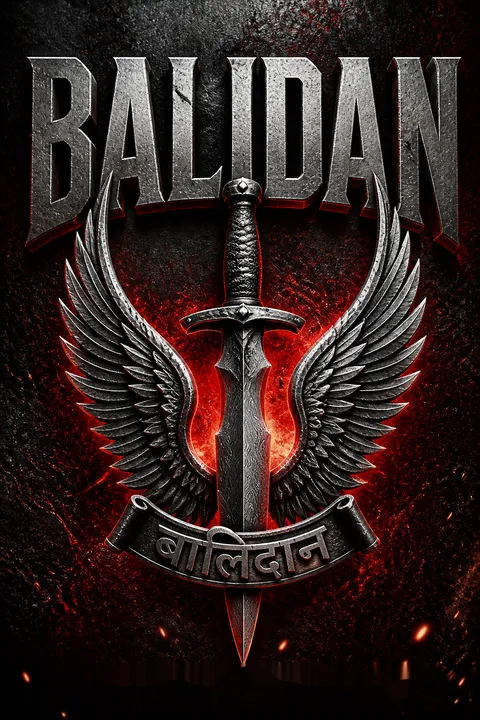
Balidan: The badge of sacrifice. The distinctive 'Balidan' badge signifies the Special Forces' unconventional warfare missions and their readiness for sacrifice. It is earned after a year of active duty, symbolizing that the individual no longer exists, only the soldier remains, for whom self-sacrifice is the ultimate dharma. This ethos is deeply ingrained, driving operatives like Captain Tushar Mahajan, who saw himself as a modern-day Bhagat Singh, to lay down his life for the nation.
A legacy of heroism. The stories of these operatives, from Colonel Santosh Mahadik's final stand to Lance Naik Mohan Nath Goswami's posthumous Ashoka Chakra, are not just tales of bravery but powerful narratives of selflessness. Their sacrifices are meant to inspire future generations, reminding citizens that freedom comes at a price paid by true sons of India. The collective contributions of these heroes ensure the nation's security and sovereignty.
3. Beyond Physicality: Mental and Spiritual Resilience in Combat
It is their ability to detach themselves—under pressure—from human emotions like love, fear, anger or excitement that lends them an indefinable air of spiritual toughness.
Conquering inner demons. Para SF operatives are distinguished not just by their physical prowess but by an extraordinary spiritual toughness. This involves the ability to detach from human emotions like fear, anger, or excitement under extreme pressure, allowing for clear decision-making in life-or-death situations. Brigadier Saurabh Singh Shekhawat's calm demeanor, even when facing Everest's perils, illustrates this mastery over self.
Resilience through adversity. The training is designed to break the spirit, only to rebuild it with an unshakeable belief that nothing is impossible. Subedar Major Mahendra Singh, despite a bullet wound paralyzing him, refused evacuation, prioritizing his men's safety and continuing to fight. His journey from a coma to a wheelchair-bound life, still yearning to serve, showcases unparalleled mental fortitude.
The warrior's mindset. This spiritual toughness is cultivated through relentless training and a deep understanding of their purpose. It enables them to operate in hostile environments, endure prolonged periods of isolation, and face overwhelming odds with composure. This mental conditioning ensures that even when the body is pushed to its limits, the will to survive and complete the mission remains unbroken.
4. Mastery of Diverse Warfare: Specialized Skills Across All Terrains
In an operation, planning is everything. If you don’t plan well, read and research every aspect of the mission, the chances are you will perish sooner or later.
Versatility in combat. Para SF operatives are trained to excel in a multitude of environments, from dense jungles and snow-laden mountains to urban settings and underwater operations. Their specialized skills include:
- Jungle warfare: Operating in rural and urban scenarios, lethal cross-border surgical strikes.
- Mountain warfare: High-altitude operations, survival in sub-zero temperatures, climbing techniques.
- Combat diving: Underwater rescue, demolition of enemy structures, operating in zero visibility.
- Combat free-falling: Stealthy insertion from high altitudes with full combat load.
Strategic planning and execution. Success in SF operations hinges on meticulous planning, reconnaissance, and adaptability. Brigadier Saurabh Singh Shekhawat's Operation Loktak Vijay, executed in four minutes after forty-five days of planning and training, exemplifies this. Similarly, Colonel Santosh Mahadik's tracking abilities and tactical acumen ensured success in numerous counter-insurgency missions.
Continuous skill enhancement. Operatives constantly hone their skills, learning new tactics, weapons, and equipment. This includes mastering navigation, communication, demolitions, and medical aid. Subedar Major Mahendra Singh, an expert in crew-served weapons and combat diving, even devised innovative training methods like underwater ambushes, ensuring the unit remains at the cutting edge of unconventional warfare.
5. Leadership from the Front: The Officer's Unspoken Code
An officer must prove himself to his boys and prove his worth through his actions.
Leading by example. The bedrock of Para SF leadership is the principle of leading from the front, where officers physically lead their troops into the most dangerous situations. Colonel Santosh Mahadik consistently walked ahead of his scouts, demonstrating his tracking skills and willingness to face the first line of danger. This builds immense trust and loyalty among the men, who follow their leaders blindly.
Prioritizing men's safety. A true SF officer places the honor, welfare, and comfort of his men above his own ease and safety. During the Haphruda forest operation, Subedar Major Mahendra Singh, despite being grievously injured, refused evacuation, prioritizing his comrades' safety and continuing to fight. Captain Tushar Mahajan, in Ladakh, risked his life to evacuate sick men from a treacherous peak, refusing to leave anyone behind.
Inspiring confidence. This selfless leadership fosters an environment where men feel secure and motivated to perform their best. Brigadier Saurabh Singh Shekhawat's ability to inspire his troops, even during the most audacious missions, is legendary. His calm demeanor and strategic brilliance ensure that his men believe in his plans and their collective ability to achieve the impossible.
6. The Unbreakable Bond: Brotherhood and Loyalty in the Maroon Beret
In Para SF battalions, you can’t command men if you don’t win their hearts.
A family forged in fire. The Para SF fosters an unparalleled sense of brotherhood, where comrades become an alternate family. This bond is forged through shared hardships, extreme training, and mutual reliance in life-threatening operations. The unit's ethos ensures that "Once a NINE, always a NINE," meaning loyalty extends beyond active service, with units supporting disabled veterans and families of fallen heroes.
Mutual support and trust. Operatives rely on each other implicitly, knowing that their lives depend on their comrades' skills and commitment. During probation, senior cadets act as guardians, teaching new recruits the importance of collective strength over individual ego. This mutual trust is evident in stories like Naik Shamshad's recollection of Captain Tushar Mahajan helping him during a speed march, prioritizing a comrade over personal performance.
Never leave a brother behind. This deep loyalty is exemplified by the unit's unwavering support for its members, even after severe injuries. Major Manish Singh's buddy tirelessly sought experimental treatment for him, and his unit ensured his continued service despite his disability. The 9 Para (SF)'s "Killed in Action Cell" and ongoing support for families of fallen soldiers underscore this profound commitment.
7. The Silent Strength: Families as the Force Behind the Forces
The family of a fauji serves the nation as much as the fauji himself.
Unseen sacrifices. While SF operatives face direct combat, their families endure immense emotional and practical challenges, making them the "force behind the forces." Wives, children, and parents live with constant anxiety, long periods of separation, and the ever-present risk of loss. Swati Mahadik's unwavering support for Colonel Santosh Mahadik, despite his frequent absences, highlights this silent heroism.
Resilience in absence. Army wives, like Renuka Rathore, Brigadier Saurabh Singh Shekhawat's wife, often manage homes and raise children single-handedly, balancing personal careers with the demands of military life. Their strength and self-sufficiency are crucial in providing stability for their children, who grow up understanding the profound commitment their parent has made to the nation.
Enduring love and hope. Despite the hardships, these families maintain hope and love, providing the emotional anchor for operatives at the borders. Seema's unwavering devotion to Captain Tushar Mahajan, even through long periods of no contact, illustrates the depth of this commitment. Their stories remind us that the freedom and security enjoyed by the nation are built on the collective sacrifices of both soldiers and their loved ones.
8. Innovation and Adaptability: Modernizing Special Forces Operations
The vertical wind tunnel speeds up the entire training process along with providing complete safety to the paratroopers.
Embracing new technologies. The Indian Para SF constantly seeks to modernize its training and operational capabilities, adopting cutting-edge technologies to enhance effectiveness and safety. Brigadier Saurabh Singh Shekhawat's relentless pursuit of a vertical wind tunnel for combat free-fall training exemplifies this drive. This facility revolutionized training, offering a safe and accelerated environment for paratroopers.
Strategic advancements. The introduction of tandem skydiving with full combat gear allows for the stealthy insertion of specialists—doctors, demolition experts, snipers—into enemy territory, undetected by radar. This flexibility provides an unmatched infiltration mechanism, changing the dynamics of covert operations. Such innovations ensure the SF remain at the forefront of global military capabilities.
Continuous improvement. Beyond technology, SF units adapt their tactics to evolving threats, as seen in the 9 Para (SF)'s use of covert operatives disguised as militants to infiltrate terrorist networks. This blend of human intelligence, advanced equipment, and innovative strategies ensures operational superiority. The commitment to continuous learning and adaptation is vital for maintaining an edge in complex warfare scenarios.
9. Covert Prowess: The Art of Infiltration and Intelligence
Tushar’s skills as an undercover operative ensured the safety of India without even a bullet being fired many a time.
Masters of disguise. Para SF operatives are highly trained in covert operations, often adopting different identities and blending seamlessly with local populations to gather intelligence or neutralize threats. Captain Tushar Mahajan, with his fluency in multiple languages and ability to mimic local accents, excelled as an undercover operative, often posing as a militant to infiltrate enemy networks.
Human intelligence networks. The success of many SF missions relies heavily on robust human intelligence networks. The 9 Para (SF), known as "Ghost Operators," cultivates deep assets and sleeper cells within communities, providing crucial, real-time information on terrorist movements and plans. This intelligence-driven approach allows for precise and effective counter-terrorism operations, often preventing large-scale attacks.
Silent guardians. These covert operatives undertake incredibly risky missions, where a single mistake could cost their lives and compromise national security. Their ability to operate undetected, gather vital information, and facilitate ambushes or raids ensures the safety of India without always resorting to direct confrontation. Their work is often unsung, but their contributions are invaluable in maintaining peace and stability.
10. An Enduring Legacy: Inspiring Generations of Bravehearts
I hope this book provides inspiration to India’s youth to join the SF, pursue extreme sports or will at least inspire them to challenge their limits and achieve all their dreams.
Icons of heroism. The stories of Para SF operatives serve as powerful national icons, inspiring patriotism and instilling confidence in the nation's capabilities. Figures like Colonel Santosh Mahadik, Brigadier Saurabh Singh Shekhawat, and Captain Tushar Mahajan are compared to mythological heroes, fostering a cult following among youth who aspire to challenge their limits and serve the country.
Motivation for future service. The valorous tales of these bravehearts motivate young Indians to join the armed forces, particularly the Special Forces. The author's intent is to fill a void in national narratives, providing homegrown superheroes whose dedication and sacrifice can guide the next generation. This inspiration extends beyond military service, encouraging individuals to pursue extreme sports and achieve their personal dreams.
Remembering the fallen. Memorials, trusts, and ongoing support from their units ensure that the sacrifices of fallen heroes are never forgotten. Captain Tushar Mahajan's statue in Udhampur and the Tushar Mahajan Memorial Trust exemplify efforts to keep their memory alive and continue their legacy of service. These enduring tributes ensure that their stories continue to resonate, reminding everyone of the price of freedom and the courage required to protect it.
Review Summary
Balidan receives mostly positive reviews, praised for its insight into India's Para Special Forces. Readers appreciate the author's research and storytelling, highlighting the soldiers' bravery and sacrifice. The book offers six stories about elite operatives, providing a mix of operational, emotional, and social perspectives. Some reviewers note the writing could be more refined, but most find it compelling and inspiring. Many recommend it for those interested in military history and the Indian Army's special forces.
People Also Read





Download PDF
Download EPUB
.epub digital book format is ideal for reading ebooks on phones, tablets, and e-readers.








































