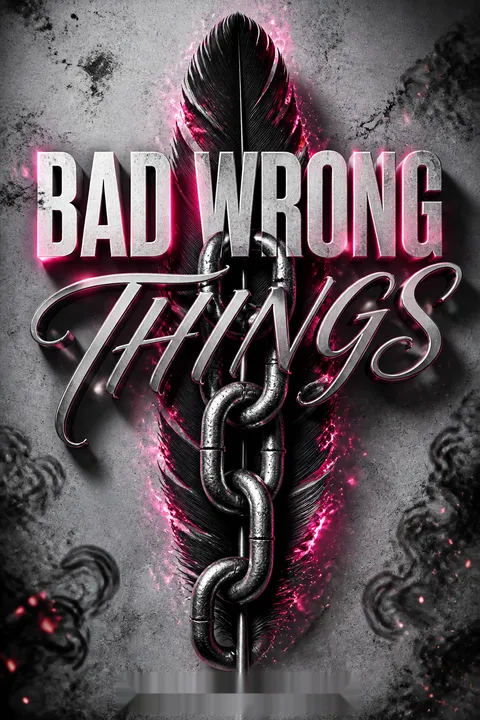

Plot Summary
Funeral Sparks Old Wounds
Raven returns to his childhood town for his mother's funeral, only to be confronted by Clint, the man who raised him and the source of his deepest wounds and desires. The funeral is less about closure for his mother and more about reopening the unresolved, electric connection between Raven and Clint. Old pain and longing simmer beneath the surface as they navigate the awkwardness of being in the same space after years apart. The house is full of memories, both cherished and erased, and the tension between them is palpable, hinting at unfinished business and a love that never truly died.
Childhoods Intertwined by Fate
As a child, Raven is saved from neglect and abuse by Officer Clint Miller, who sees past Raven's tough exterior and troubled home life. Clint brings Raven into his home, introducing him to his son Joey, and for the first time, Raven experiences stability, warmth, and the beginnings of love. The three form a makeshift family, with Raven and Joey becoming inseparable. Clint's kindness and strength become a lifeline for Raven, shaping his sense of belonging and self-worth, even as the scars of his past linger.
Becoming a Family
Over time, Raven becomes a permanent part of Clint and Joey's family. Legal guardianship cements their bond, and Raven flourishes in the safety and love of his new home. The boys grow up together, sharing secrets, dreams, and the pain of their respective losses. Clint's unwavering support and Joey's brotherly affection help Raven heal, but beneath the surface, complex emotions begin to brew, setting the stage for future turmoil.
Forbidden Longings Awaken
As Raven matures, his feelings for Clint shift from filial admiration to something deeper and more dangerous. He becomes acutely aware of his attraction, struggling with guilt and longing. Clint, too, is not immune to the growing tension, though he buries his feelings beneath the responsibilities of fatherhood. The boundaries between family and desire blur, and both men are haunted by what cannot be spoken, even as they try to maintain the fragile balance of their home.
Lines Crossed, Hearts Exposed
The simmering attraction between Raven and Clint finally erupts, leading to a night of raw, desperate intimacy. Their connection is both healing and destructive, as years of repression and longing are unleashed. The encounter is fraught with guilt, need, and the fear of losing everything. Their love is messy, obsessive, and all-consuming, but it also brings old wounds to the surface, threatening the stability of their family and their own sense of self.
The Summer of Clint
With Joey away, Raven and Clint are left alone, and their relationship deepens in unexpected ways. They embark on adventures, share vulnerable moments, and begin to see each other as equals rather than parent and child. The summer becomes a time of growth, laughter, and tentative hope, as both men confront their pasts and imagine a future together. Yet, the shadow of their secret and the fear of hurting Joey loom large, casting doubt on their happiness.
Love, Jealousy, and Secrets
As Raven and Clint's relationship intensifies, jealousy and insecurity rear their heads. Encounters with others, both real and imagined, test their trust and commitment. The return of Joey, and his own complicated feelings for Raven, adds another layer of tension. Secrets are kept and revealed, and the trio is caught in a web of love, rivalry, and unspoken pain. The fragile bonds of family and romance are stretched to their breaking point.
The Truth Unravels
The truth about Raven's past with Joey comes to light, devastating Clint and threatening to destroy everything they've built. Betrayal, anger, and heartbreak explode, leading to violence and near tragedy. Each character is forced to confront their own role in the chaos, and the cost of their desires. The fallout is catastrophic, leaving them all adrift and questioning whether forgiveness or healing is even possible.
Descent into Darkness
In the aftermath, Raven and Clint spiral into a toxic cycle of sex, hate, and longing. Their love becomes a battleground, a way to punish and possess each other as they try to numb the pain of loss and guilt. The house becomes a dungeon, and their bodies the site of both comfort and torment. They are addicted to each other, unable to let go, even as they destroy themselves and each other in the process.
Breaking, Healing, Forgiving
Eventually, the darkness becomes too much to bear, and both men are forced to confront the reality of what they've become. Time apart, therapy, and the support of friends like Bobby help them begin to heal. They learn to forgive themselves and each other, to accept their flaws and the consequences of their actions. The process is slow and painful, but it opens the door to growth, understanding, and the possibility of redemption.
Years Apart, Lives Rebuilt
Raven and Clint spend years apart, building new lives in different places. Raven finds success and a measure of peace in Canada, while Clint pours himself into his business and personal growth. Both men carry the scars of their past, but they also hold on to the love that once defined them. Letters, memories, and the hope of reunion keep their connection alive, even as they try to move forward.
Reunion and Reckoning
The death of Raven's mother draws him back to Mansfield, and fate reunites him with Clint. Old feelings resurface, and they are forced to confront the unresolved pain and longing between them. Through honest conversation and shared vulnerability, they begin to rebuild trust and friendship, acknowledging the ways they've changed and the love that still binds them.
Second Chances, New Beginnings
With Joey's blessing and the healing of old wounds, Raven and Clint tentatively explore the possibility of a future together. They navigate the challenges of distance, family, and the ghosts of their past, but this time, they are committed to honesty, communication, and mutual respect. Their love is no longer a secret or a source of shame, but a hard-won treasure they are determined to protect.
Love Without Conditions
Raven and Clint learn to love each other without reservation or fear. They embrace their flaws, desires, and the messy reality of their relationship. Their passion is as intense as ever, but it is now tempered by trust, understanding, and the knowledge that they have survived the worst together. They make new promises, not of perfection, but of presence, support, and unwavering commitment.
Coming Home
The family is finally reunited, with Joey returning home and finding happiness in his own life. The wounds of the past are not forgotten, but they are no longer the defining feature of their relationships. Raven, Clint, and Joey create a new version of family, one built on love, forgiveness, and the willingness to fight for each other. Home is no longer a place of pain, but a sanctuary where they can all be themselves.
Healing the Family
With the past behind them, Raven and Clint focus on building a life together. They support each other's dreams, open businesses side by side, and create a home filled with laughter, love, and the occasional chaos. Their relationship is a testament to the power of second chances, the importance of healing, and the beauty of loving someone through their darkness and into the light.
Promises for Forever
In the end, Raven and Clint's love story is one of survival, transformation, and enduring devotion. They marry, surrounded by friends and family, and look forward to a future defined not by what they've lost, but by what they've found in each other. Their journey is a reminder that love is not always easy or clean, but it is always worth fighting for. Together, they create a home where love, in all its forms, is celebrated and cherished—forever.
Analysis
Bad Wrong Things is a searing, unflinching exploration of love, trauma, and the messy, nonlinear path to healing. At its core, the novel asks whether it is possible to love—and be loved—after profound betrayal and loss. Through the intertwined lives of Raven, Clint, and Joey, the story delves into the complexities of chosen family, the scars of childhood, and the ways desire can both save and destroy. The narrative refuses easy answers, instead embracing the ambiguity and pain of real relationships. It challenges the reader to consider the limits of forgiveness, the dangers of obsession, and the necessity of self-acceptance. Ultimately, the book is a testament to the power of second chances—not as a guarantee of happiness, but as an act of courage and hope. It suggests that true love is not about perfection or purity, but about the willingness to see and accept another's darkness, and to offer one's own in return. In a world where pain is inevitable, Bad Wrong Things insists that healing is possible, and that love—messy, flawed, and hard-won—is always worth fighting for.
Review Summary
Bad Wrong Things by C.P. Harris depicts an intensely toxic, possessive romance between Raven and Clint—a former guardian/stepson relationship that becomes sexual when Raven reaches adulthood. Reviews are polarized: fans praise the raw, visceral writing, explosive chemistry, and portrayal of obsessive love evolving into something healthier after years apart. Critics cite excessive explicit content, repetitive sex scenes, rushed endings, and uncomfortable dubious consent elements. The 3.95 rating reflects divided opinions on whether the extreme toxicity, jealousy, and graphic sexual content serves the narrative or overwhelms it.
People Also Read

Characters
Raven
Raven is the emotional heart of the story—a boy shaped by trauma, neglect, and the desperate need to be loved. Rescued by Clint, he finds belonging and safety, but his wounds run deep, fueling both his fierce independence and his longing for connection. As he grows, his love for Clint becomes both a source of healing and pain, blurring the lines between family and desire. Raven is complex: creative, passionate, self-destructive, and deeply loyal. His journey is one of self-acceptance, learning to forgive himself, and ultimately choosing love, not as a means of survival, but as a conscious, courageous act. His relationships with Clint and Joey are fraught with guilt, longing, and the need to be seen and chosen, but through suffering and growth, he becomes a man capable of loving and being loved without conditions.
Clint
Clint is the anchor and the storm—a man defined by responsibility, guilt, and the need to atone for past mistakes. Haunted by the loss of his brother and the burden of raising two boys, he is both nurturing and emotionally guarded. His love for Raven is transformative, awakening desires he's long suppressed and forcing him to confront his own darkness. Clint's journey is one of learning to forgive himself, to accept love and happiness without fear of punishment, and to let go of the need to control everything. He is both a caretaker and a man in need of care, and his relationship with Raven challenges him to be vulnerable, honest, and brave. Through pain, loss, and eventual healing, Clint becomes a man who can love fiercely and without reservation.
Joey
Joey is the bridge and the battleground between Raven and Clint—a boy who grows up in the shadow of their love and pain. Loyal, good-hearted, and sometimes lost, Joey's own feelings for Raven complicate the family dynamic, leading to jealousy, rivalry, and heartbreak. His struggle with identity, sexuality, and the need for approval mirrors Raven's own journey, and his eventual acceptance and forgiveness are crucial to the family's healing. Joey's arc is one of growing up, letting go, and finding his own path to happiness, separate from the roles he's played in others' lives.
Bobby
Bobby is Clint's longtime police partner and confidante, providing both tough love and much-needed levity. She is fiercely loyal, unafraid to call Clint out on his bullshit, and a steady presence through the family's darkest times. Bobby's role is to ground the narrative, offering perspective, support, and the occasional push toward healing. Her own life, filled with love and acceptance, serves as a model for what is possible.
Link
Link is Raven's friend and sometime lover, a fellow artist who understands the need for both connection and independence. He provides a nonjudgmental space for Raven to explore his desires and pain, and his presence is a reminder that love can take many forms. Link's own complicated relationship with his father and his unrequited love add depth to the story's exploration of longing and acceptance.
Raven's Mother
Raven's mother is the ghost that haunts his life—a woman destroyed by addiction and unable to love her son. Her neglect and abuse shape Raven's sense of self, fueling his need for love and his fear of abandonment. Her death is both an ending and a catalyst for Raven's final transformation, forcing him to confront the past and choose a different future.
Clint's Mother
Clint's mother represents the pain of unresolved loss and the difficulty of forgiveness. Her inability to move past the death of her favorite son leaves Clint with a lifelong wound, shaping his need to protect and his fear of happiness. Her eventual death and the letter she leaves behind provide a measure of closure, allowing Clint to finally begin healing.
Brandon
Brandon's death is the original trauma that shapes Clint's life, instilling in him a fear of desire and a belief that happiness must be paid for. Brandon is both a beloved memory and a source of endless guilt, his absence a constant reminder of what can be lost when one chooses themselves.
Law
Law is Link's father and a mentor to Raven, offering guidance, support, and a model of what it means to pursue one's passion. His presence in the story is a reminder that family can be chosen, and that healing often comes from unexpected places.
Sonia and Rex
Sonia and Rex are part of Raven's new life in Canada, providing support, humor, and a sense of belonging. They represent the possibility of starting over, of building a life beyond the pain of the past, and of finding joy in the everyday.
Plot Devices
Nonlinear Narrative and Dual Perspectives
The novel employs a nonlinear structure, moving between past and present, childhood and adulthood, to gradually unveil the characters' histories and motivations. Chapters alternate between Raven and Clint's perspectives, allowing readers to experience the same events through different emotional lenses. This duality deepens the psychological complexity, highlighting misunderstandings, secrets, and the slow process of healing. The use of flashbacks, letters, and internal monologues creates a tapestry of memory and longing, building suspense and empathy as the truth is slowly revealed.
Symbolism and Motifs
The story is rich with symbols—Raven's tattoos, the family home, the Harley, the snowman, and the recurring motif of "home" as both a place and a feeling. Rituals like reading Joey's letters, playing Rummy, and watching the sunrise serve as touchstones for the characters, marking moments of connection, loss, and renewal. These devices ground the narrative, providing continuity and emotional resonance as the characters navigate chaos and change.
Foreshadowing and Repetition
Early scenes and conversations foreshadow later revelations, creating a sense of inevitability and tragic irony. Phrases like "Millers don't break promises" and "what-if is a problem for tomorrow" recur throughout the novel, evolving in meaning as the characters grow. The repetition of certain actions—leaving, returning, making and breaking promises—mirrors the cyclical nature of trauma and healing, and the difficulty of breaking free from the past.
Psychological Realism and Intimacy
The narrative is unflinching in its exploration of psychological wounds, sexual obsession, and the messy reality of love. Scenes of intimacy are both erotic and raw, serving as both connection and battleground. The use of internal dialogue, therapy, and confessional moments allows readers to inhabit the characters' minds, experiencing their fears, hopes, and transformations firsthand.
Redemption and Second Chances
The story is built around the idea that love, family, and self-worth can be rebuilt, even after catastrophic loss. The characters are given multiple opportunities to choose differently, to forgive, and to start again. The motif of "second chances" is literalized in Clint's business and metaphorical in the family's journey, reinforcing the central message that healing is possible, but never easy.
Download PDF
Download EPUB
.epub digital book format is ideal for reading ebooks on phones, tablets, and e-readers.








































