
Plot Summary
The Room With Secrets
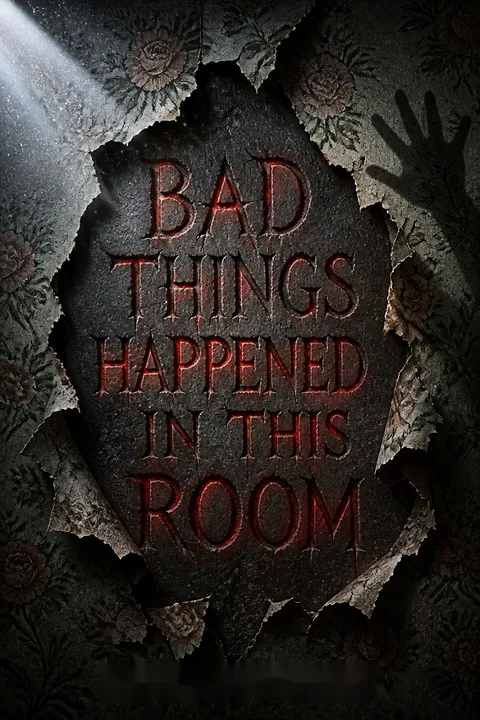
Willow, a woman in her early forties, is haunted by a particular room in her childhood home, now shared with her husband, Liam. The room is empty, save for faded floral wallpaper that seems to come alive when she stares too long. She senses that "bad things happened" there, but the details are lost to her. The room is both a sanctuary and a prison, a place where she waits for the walls to reveal their secrets. Her mind is fragmented, her days spent in a fog of uncertainty, and she clings to the hope that the truth will eventually surface. The room's silence is both a comfort and a threat, promising revelations she may not be ready to face.
Dinner and Disquiet
Willow's life is a series of routines: preparing dinner, tending the garden, and waiting for Liam to return from work. Their marriage is strained, marked by subtle power struggles and unspoken resentments. Liam's presence is both reassuring and oppressive; his rules—like how Willow must wear her hair—are reminders of her diminished autonomy. At dinner, Willow's mind plays tricks on her, turning meatloaf into rose petals and conversation into interrogation. She is unsure of her own memories, questioning whether her preferences are truly hers or have been overwritten by years of control. The ordinary is laced with dread, and every interaction is a negotiation for safety and sanity.
Garden of Whispers
The garden behind the house is Willow's refuge, a place where she feels connected to something living and pure. Yet, it is also a graveyard of secrets. She believes her "loves" are buried beneath the flowers, and the garden protests when she tries to plant anything but blooms. The garden's cries are a chorus of grief, echoing the losses Willow cannot name. Her relationship with Liam is mirrored in her relationship with the earth: both are fraught with unspoken rules and the threat of violence. The garden is a living memory, both nurturing and consuming, and Willow's sense of self is entwined with its fate.
The Locked-In Life
Willow's world is shrinking. She no longer leaves the house, her days blending into one another. The outside world is a source of anxiety, and even the act of retrieving the newspaper is fraught with peril. Memories of her mother and childhood surface in fragments, offering both comfort and pain. The house is alive with voices—some real, some imagined—and Willow's grip on reality is tenuous. She is haunted by the sense that she is being watched, judged, and punished for sins she cannot recall. The boundaries between past and present, real and imagined, are dissolving.
Meatloaf and Memory
Willow's routines become increasingly disjointed. She forgets what day it is, what she has cooked, and even basic facts about her life. Liam's reactions to her mistakes are unpredictable, swinging from concern to cruelty. The threat of strangers—contractors coming to destroy her garden—heightens her paranoia. Willow's sense of agency is eroding, and she begins to suspect that Liam is gaslighting her, manipulating her perceptions to keep her compliant. The house, once a place of safety, is now a labyrinth of traps and triggers, each room holding a piece of the puzzle she cannot solve.
Nightmares and Visitors
Willow's nights are plagued by nightmares and hallucinations. She is restrained in bed, her wrists and ankles raw from the leather straps. The boundaries between dream and waking blur, and she is visited by a mysterious girl—Sarah—who seems both real and spectral. Sarah becomes a symbol of innocence lost, a child who may or may not exist outside Willow's mind. The girl's presence is both a comfort and a torment, reminding Willow of what she has lost and what she fears she has done. The house is a stage for these nocturnal dramas, each night bringing new horrors and new clues.
The Contractors Arrive
Liam arranges for contractors to "fix" the garden, a move that Willow interprets as an existential threat. She confronts the workers, desperate to protect the only thing that gives her solace. The confrontation is a turning point, revealing the depth of Willow's instability and the extent of Liam's control. The garden becomes a battleground, a symbol of everything Willow is fighting to preserve. Her victory in sending the contractors away is short-lived, as the sense of impending doom only intensifies. The garden's fate is tied to Willow's own, and its destruction would mean the loss of her last anchor to reality.
The Girl in the Garden
Sarah, the enigmatic neighbor girl, becomes a fixture in Willow's life. Their interactions are charged with longing and fear, as Willow projects her own lost motherhood onto the child. Sarah's presence is ambiguous—sometimes she is a flesh-and-blood child, other times a ghost or hallucination. The girl's mother is hostile, warning Willow to stay away. The boundaries between protector and predator blur, and Willow's desperation to connect with Sarah becomes increasingly fraught. The garden, once a place of solace, is now a site of confrontation and loss, as Willow's attempts to nurture are met with rejection and suspicion.
Unraveling Routines
Willow's routines begin to collapse. She loses track of time, forgets basic tasks, and is haunted by visions of violence and death. The house becomes a maze of locked doors and shifting walls, each room a trap. Willow's sense of self is dissolving, and she is plagued by the fear that she is responsible for some unnamed atrocity. The repetition of daily life becomes a form of torture, each cycle bringing her closer to the edge. The presence of Sarah, the hostility of her neighbors, and the indifference of Liam all conspire to push Willow toward a breaking point.
The Knife and the Wall
A confrontation with Liam turns violent. Willow, pushed to the brink, contemplates killing him with a kitchen knife. The act is both a fantasy and a threat, a manifestation of her desire to reclaim control. The walls of the house become a canvas for her rage, as she tears away the wallpaper to reveal messages carved into the plaster: "You know what you did." The house is no longer a passive witness but an active participant in Willow's unraveling. The violence is both literal and symbolic, a desperate attempt to break free from the cycle of guilt and repression.
The Child Who Vanished
News breaks that Sarah is missing, and Willow is consumed by guilt and fear. She becomes convinced that she is responsible, either through action or neglect. The community turns against her, and even Liam seems to believe she is to blame. The search for Sarah becomes a metaphor for Willow's search for herself, a quest to recover what has been lost. The boundaries between victim and perpetrator blur, and Willow's sense of reality is further destabilized. The missing child is both a literal tragedy and a symbol of all the children Willow has lost.
The Loop of Loss
Willow's life becomes an endless loop of repetition and regret. Each day is a copy of the last, each action a reenactment of past failures. The routines that once provided structure now serve as reminders of everything she has lost. The house is a time capsule, preserving moments of happiness and horror in equal measure. Willow is trapped in a cycle of grief, unable to move forward or escape the past. The repetition is both a comfort and a curse, a way of avoiding the final reckoning that she knows is coming.
The Birthday That Wasn't
A supposed birthday party becomes a surreal nightmare. Willow is surrounded by strangers who claim to be her friends, but she recognizes none of them. The event is a grotesque parody of normalcy, a reminder of how far she has fallen. Liam's attempts to maintain the illusion of a happy marriage are increasingly desperate, and Willow's sense of alienation deepens. The party is a turning point, a moment when the facade of domesticity finally collapses. Willow is forced to confront the reality of her situation, and the truth she has been avoiding comes into focus.
The Basement's Truth
Driven by a need for answers, Willow descends into the basement, the house's memory vault. There, she finds boxes of photographs and mementos that reveal the true history of her family. The images are both familiar and alien, showing a life that no longer exists. The basement is a place of reckoning, where the past cannot be denied. Willow is forced to confront the reality of her losses: her parents, her children, her marriage. The truth is both liberating and devastating, offering the possibility of understanding but also the certainty of pain.
The Mother Tree
Willow recalls lessons from her mother about the "mother tree," a symbol of interconnectedness and sacrifice. The metaphor becomes central to Willow's understanding of her own role as a mother and caretaker. The garden, the house, and Willow herself are all part of a network of loss and longing. The mother tree is both a source of strength and a reminder of the impossibility of giving enough. Willow's attempts to nurture are always shadowed by the fear of failure, and the natural world becomes a mirror for her internal struggles.
The Incident Remembered
Willow's memories of "the incident" at the grocery store resurface. She recalls a moment of psychosis, when she mistook a stranger's child for her own and caused a scene that led to her social isolation. The incident is a microcosm of her larger struggles: the confusion of identity, the longing for connection, and the terror of losing control. The community's response is one of fear and rejection, reinforcing Willow's sense of alienation. The incident is both a cause and a symptom of her unraveling, a moment when the boundaries between self and other, reality and delusion, are irreparably breached.
The Hospital Hallways
Willow's world shifts to the sterile corridors of a psychiatric hospital. She is no longer in control of her own life, her routines dictated by nurses and doctors. The hospital is both a place of safety and a new kind of prison, where her identity is further eroded. The staff—especially a nurse named Sarah—become her new caretakers, and the routines of the hospital mirror the routines of her former life. Willow's sense of self is fragmented, her memories unreliable, and her future uncertain. The hospital is the final stage of her journey, a place where hope and despair coexist.
The Nurse Named Sarah
Sarah, the nurse, is both a real person and a symbol of all the lost children and caretakers in Willow's life. Her interactions with Willow are marked by compassion and frustration, as she tries to reach a woman who is locked inside her own mind. The hospital staff become part of Willow's internal narrative, their actions interpreted through the lens of her psychosis. The boundaries between patient and caregiver, mother and child, are blurred. Sarah's presence is a reminder that healing is possible, but also that some wounds may never fully close.
The Husband's Revenge
Liam's role is finally revealed: he is not just a caretaker, but an avenger. His visits to Willow in the hospital are motivated by a desire to remind her of her guilt, to ensure that she never escapes the consequences of her actions. The marriage, once a source of comfort, is now a site of retribution. Liam's grief has turned to bitterness, and his love has become a weapon. The hospital is a stage for this ongoing drama, with Willow as both victim and perpetrator. The cycle of blame and punishment is unending, a closed loop of suffering.
The Final Realization
In the end, Willow is left with the knowledge of what she has done and what has been done to her. The truth is both a relief and a burden, offering closure but not redemption. The routines continue, the house and hospital merging into a single, inescapable reality. Willow's story is not one of healing, but of endurance. She is trapped in a cycle of memory and loss, her only solace the brief moments of connection with those who care for her. The final realization is that some wounds cannot be healed, and some stories have no happy ending.
Analysis
Marie Still's Bad Things Happened in This Room is a masterful exploration of trauma, motherhood, and the limits of memory. Through the fractured perspective of Willow, the novel immerses the reader in the experience of psychological horror, where the greatest threats are not external monsters but the mind's own capacity for self-destruction. The book interrogates the expectations placed on women—especially mothers—and the devastating consequences when those expectations cannot be met. The house, the garden, and the routines of domestic life become both sanctuary and prison, reflecting the double-edged nature of care and control. The use of unreliable narration forces the reader to question the nature of reality, the reliability of memory, and the possibility of redemption. In the end, the novel offers no easy answers or tidy resolutions. Instead, it confronts the reader with the uncomfortable truth that some wounds never heal, some stories never end, and the line between victim and perpetrator is often impossibly blurred. The lesson is not one of hope, but of endurance: the courage to face the darkness within, even when escape is impossible.
Review Summary
Characters
Willow Hawthorne
Willow is the protagonist, a woman in her early forties whose life is defined by loss, isolation, and psychological torment. Once vibrant and independent, she is now a prisoner of her own mind, haunted by memories she cannot fully access. Her relationships—with her husband, her garden, and the mysterious girl Sarah—are all colored by grief and guilt. Willow's psychological state is marked by dissociation, paranoia, and hallucinations, symptoms of severe trauma and possible postpartum psychosis. Her journey is one of desperate self-discovery, as she tries to piece together the truth of her past and the nature of her suffering. Willow's development is a tragic arc, moving from hope to despair, from agency to helplessness.
Liam Hawthorne
Liam is Willow's husband, a figure of both comfort and menace. His role shifts throughout the narrative: at times he is a loving partner, at others a controlling jailor, and ultimately a vengeful presence. Liam's grief over the loss of their child and the unraveling of their marriage curdles into bitterness and a desire for retribution. He becomes the enforcer of routines, the keeper of secrets, and the voice of accusation. Liam's psychological complexity lies in his dual role as victim and perpetrator, caretaker and punisher. His relationship with Willow is a microcosm of the larger themes of love, loss, and the impossibility of forgiveness.
Sarah
Sarah is a multifaceted character: she is at once a real neighbor child, a hallucination, and a symbol of all the children Willow has lost. Her presence in the garden and the house is both comforting and unsettling, a reminder of what Willow yearns for and what she fears she has destroyed. Sarah's interactions with Willow are marked by ambiguity—sometimes she is a playmate, sometimes an accuser, sometimes a victim. Psychologically, Sarah represents the innocence that Willow cannot protect, the child she cannot save. Her ultimate fate is a reflection of Willow's deepest fears and regrets.
The Mother (Willow's Mother)
Willow's mother appears in memories and hallucinations, offering guidance and comfort. She is associated with the garden, the "mother tree," and the rituals of nurturing and healing. Her death is a foundational trauma for Willow, compounding the losses that define her life. The mother's presence is both a source of strength and a reminder of what has been lost. Psychologically, she represents the ideal of motherhood that Willow strives for and feels she has failed to achieve.
The House
The house is more than a setting; it is a character in its own right. Its walls whisper, its rooms shift, and its routines dictate the rhythms of Willow's life. The house is a repository of memory, a vault of secrets, and a stage for the unfolding drama. It is both sanctuary and prison, nurturing and devouring. Psychologically, the house represents the mind itself: compartmentalized, haunted, and ultimately inescapable.
Elaine (Social Worker)
Elaine is the social worker assigned to Willow's case. She is both compassionate and bureaucratic, offering help that Willow cannot accept. Elaine's presence is a reminder of the outside world and the possibility of intervention, but also of the limitations of institutional care. Her attempts to reach Willow are met with resistance, and her role becomes increasingly peripheral as Willow retreats further into her own mind.
Dr. Bellinger
Dr. Bellinger is the psychiatrist overseeing Willow's care in the hospital. He is a figure of authority, offering diagnoses and prognoses that are both comforting and alienating. His red beard and jolly appearance contrast with the gravity of his pronouncements. Dr. Bellinger represents the medicalization of Willow's suffering, the reduction of her complex experience to a set of symptoms and treatments.
The Nurse Named Sarah
The nurse named Sarah is both a real person and a symbolic figure. Her care for Willow is marked by empathy and frustration, as she tries to reach a patient who is locked inside her own mind. The repetition of the name "Sarah" blurs the boundaries between caregiver and lost child, reinforcing the themes of motherhood, loss, and the search for connection.
The Garden
The garden is both a physical space and a psychological landscape. It is a place of beauty and decay, nurturing and burial. The flowers that grow there are both a source of solace and a reminder of loss. The garden's cries and protests mirror Willow's own, and its fate is tied to hers. Psychologically, the garden represents the cycle of life and death, the impossibility of holding on to what we love.
The Walls
The walls of the house are omnipresent, their whispers a constant background to Willow's unraveling. They are both friends and tormentors, offering comfort and accusation in equal measure. The messages carved into the plaster—"You know what you did"—are a manifestation of Willow's guilt and self-reproach. The walls are the boundaries of her world, both protecting and imprisoning her.
Plot Devices
Unreliable Narration and Fragmented Reality
The novel's primary device is the unreliable narration of Willow's perspective. Her memories are fragmented, her perceptions distorted by trauma, grief, and possible psychosis. The boundaries between reality and hallucination are constantly shifting, leaving the reader as disoriented as the protagonist. Time loops, repeated routines, and shifting settings (house, garden, hospital) reinforce the sense of unreality. The use of recurring motifs—flowers, wallpaper, the garden, the missing child—serves to anchor the narrative even as it destabilizes. The story is structured as a psychological labyrinth, with each chapter offering a new piece of the puzzle but never a complete picture. Foreshadowing is achieved through subtle clues: the repetition of phrases, the presence of spectral children, the messages on the walls. The final revelation is both inevitable and shocking, a testament to the power of denial and the persistence of guilt.
Download PDF
Download EPUB
.epub digital book format is ideal for reading ebooks on phones, tablets, and e-readers.








































