
Plot Summary
Brooklyn Boys Go South
Genie and his older brother Ernie are sent from Brooklyn to rural Virginia to stay with their grandparents while their parents try to work out marital problems. The boys are city kids, unaccustomed to the country's slow pace, open spaces, and chores. Genie, the younger, is curious and anxious, always jotting questions in his notebook, while Ernie is cool, confident, and obsessed with his sunglasses. Their arrival is marked by awkwardness, new routines, and the realization that this summer will be unlike any other.
Grandpop's Secret Darkness
Genie quickly discovers that his grandfather, Grandpop, is blind—a fact the family kept secret so Grandpop could reveal it on his own terms. Grandpop is fiercely independent, refusing help and hiding his vulnerability behind dark sunglasses and gruff humor. Genie is fascinated by how Grandpop navigates the world, pouring tea by sound, counting steps, and using clothes marked with braille-like stitches. Their relationship deepens as Genie's endless questions meet Grandpop's guarded wisdom.
Poop Patrol and Pea Patches
The boys are put to work: scooping dog poop, picking peas, and learning the rhythms of rural life. Genie is both grossed out and intrigued, while Ernie tries to maintain his cool. The chores become a backdrop for the brothers' adjustment, highlighting their differences and the ways they rely on each other. The country's quiet and the family's routines force the boys to confront their own fears and insecurities.
Questions, Fears, and Flies
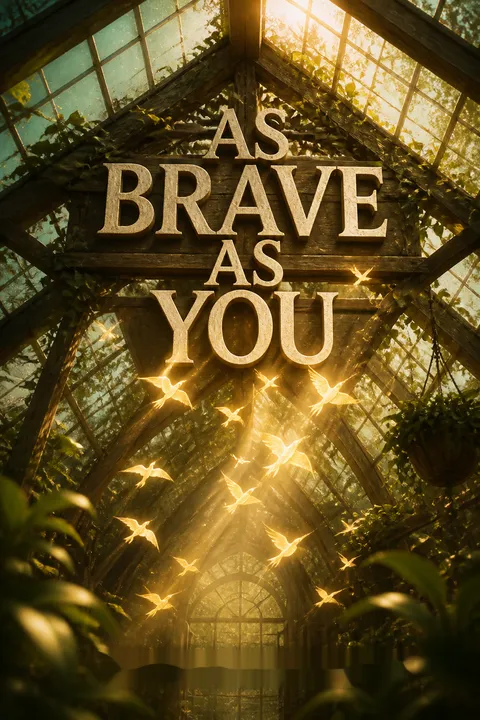
Genie's notebook fills with questions about blindness, guns, family, and the unknown. He discovers Grandpop's gun and wonders why a blind man would need one. Grandpop's inside-outside room—a lush, glass-ceilinged sanctuary filled with caged birds—becomes a place of bonding and confession. Genie learns about Grandpop's military past, his pride, and his fears, especially his terror of venturing outside alone after a snakebite years ago.
The Inside-Outside Sanctuary
Grandpop's special room is both a refuge and a symbol of his entrapment. The caged barn swallows represent hope, loss, and the family's history of trauma. Genie takes on the responsibility of caring for the birds, finding comfort in the routine and the connection to his grandfather. The room's soundproof walls and living greenery offer a safe space for difficult conversations and for Genie's growing sense of responsibility.
Tess, Traps, and Truths
The boys befriend Tess, a tough, creative girl from down the hill, whose family is as complicated as their own. Tess teaches them about country life, bottle-cap earrings, and the realities of small-town survival. When Genie accidentally kills one of Grandpop's birds by feeding it apple seeds, he is wracked with guilt. With Tess and Ernie's help, he devises elaborate plans to replace the bird, leading to misadventures, failed traps, and mounting anxiety.
Family Fault Lines
The family's history is revealed in layers: Grandpop's strained relationship with Genie's father, the loss of Uncle Wood in the military, and the legacy of trauma passed down through generations. Genie learns that Grandpop pressured Wood into the army, a decision that haunts both men. The family's communication is fraught with silence, pride, and unresolved grief, mirrored in Genie's own struggle to confess his mistake.
The Gun and the Gift
A family tradition dictates that boys learn to shoot at fourteen. Ernie, despite his reluctance, is pressured into participating. Grandpop, desperate to uphold the ritual, practices venturing outside with Genie's help. The gun becomes a symbol of manhood, protection, and the dangers of inherited expectations. Genie, fascinated and fearful, watches as the family's wounds play out in the ritual.
Ernie's Shot, Genie's Guilt
During the shooting lesson, Ernie's fear and inexperience lead to a disastrous accident: the gun recoils, knocking out his front teeth. The family rushes to the hospital, blame and guilt swirling among them. Genie is consumed by guilt—not just for Ernie's injury, but for his own secret about the dead bird. The accident exposes the family's fractures and forces everyone to confront their pain.
Healing, Hiding, and Letting Go
Ernie withdraws, ashamed of his appearance and traumatized by the accident. Genie tries to help, offering support and small gifts, including a "Bruce Lee tooth" from a quirky flea market dentist. Grandpop retreats into his sanctuary, and Grandma tries to hold the family together. Genie finally finds a replacement wheel for a broken model truck, a small act of repair that symbolizes his longing to fix what's broken in the family.
The Birdcage and the Broken Wheel
The caged birds and the broken truck become central metaphors: Genie's attempts to replace the dead bird mirror his efforts to mend family wounds. The truck, once broken by accident, is repaired with an imperfect but heartfelt solution. Genie realizes that some things can't be perfectly fixed, but effort and honesty matter. The birdcage, meanwhile, represents both safety and limitation—a place of healing and a reminder of what's lost.
Apologies and Amends
As the summer ends, Genie finally confesses to Grandpop about the dead bird and his failed attempts to cover it up. To his surprise, Grandpop already knew—he'd sensed the change in the room and was waiting for Genie to come clean. The confession is met with understanding, not anger, and becomes a turning point for both. The family, too, begins to heal: apologies are made, old wounds acknowledged, and small acts of forgiveness offered.
Coming Clean, Coming Home
With the family's secrets aired and some peace restored, Genie and Ernie prepare to return to Brooklyn. The repaired truck is given to Genie as a gift, a symbol of both loss and love. Ernie, with his new "king mouth," regains his confidence. The boys leave Virginia changed—wiser, braver, and more aware of the complexities of family, forgiveness, and growing up.
Lessons in Bravery
The summer's trials teach Genie that bravery isn't about being fearless, but about facing fears, admitting mistakes, and seeking forgiveness. Grandpop's journey—from isolation and pride to vulnerability and connection—mirrors Genie's own. The story ends with the understanding that everyone is "as brave as you," in their own way, and that healing comes from honesty, empathy, and the willingness to let go.
Analysis
As Brave As You is a nuanced, heartfelt exploration of family, masculinity, and the meaning of bravery. Jason Reynolds uses the lens of a single transformative summer to examine how trauma, secrets, and expectations shape individuals and relationships across generations. The novel challenges traditional notions of courage, showing that true bravery lies not in physical feats or stoic silence, but in vulnerability, honesty, and the willingness to face one's fears and mistakes. Through Genie's eyes, readers experience the confusion and wonder of adolescence, the pain of guilt, and the redemptive power of confession and forgiveness. The story's symbols—the caged birds, the broken truck, the gun—invite reflection on the ways we try to protect ourselves and those we love, often at great cost. Ultimately, the book offers a hopeful message: that healing is possible, not through perfection, but through empathy, connection, and the courage to let go.
Review Summary
As Brave As You receives mostly positive reviews, praised for its authentic characters, engaging storytelling, and exploration of themes like bravery, family relationships, and forgiveness. Readers appreciate Reynolds' ability to capture the voice of young protagonists and create relatable situations. Some criticize the pacing as slow for younger readers, while others find the length appropriate for the depth of storytelling. The audiobook narration is highly regarded. Overall, the book is recommended for its heartwarming narrative and thought-provoking content, particularly appealing to middle-grade audiences.
People Also Read

Characters
Genie Harris
Genie is an eleven-year-old boy from Brooklyn, defined by his relentless curiosity and his habit of writing questions in his notebook. He is sensitive, thoughtful, and prone to anxiety, especially about making mistakes. Genie's relationship with his brother Ernie is both admiring and competitive; he looks up to Ernie's confidence but struggles with his own insecurities. Over the summer, Genie is forced to confront his fears, take responsibility for his actions, and learn that bravery means facing the truth, not avoiding it. His journey is one of self-discovery, empathy, and the messy process of growing up.
Ernie Harris
Ernie, Genie's older brother, is almost fourteen and obsessed with maintaining his image—his sunglasses are his armor. He is confident, charming, and interested in girls, but beneath the surface, he is just as vulnerable as Genie. The shooting accident shatters his self-image and forces him to confront his own fears and limitations. Ernie's relationship with Genie is protective but sometimes strained; he learns to accept help and to show vulnerability, especially in the face of physical and emotional pain.
Grandpop (Brooke Harris)
Grandpop is a blind, fiercely independent man haunted by past mistakes and losses. His blindness is both a literal and metaphorical barrier, isolating him from others and fueling his pride. He clings to rituals and symbols—his gun, his birds, his inside-outside room—as ways to maintain control and dignity. Grandpop's relationship with Genie is transformative for both: Genie's questions and compassion help Grandpop open up, while Grandpop's honesty and eventual vulnerability teach Genie about courage and forgiveness. Grandpop's arc is one of moving from isolation to connection, from pride to acceptance.
Grandma (Mary Harris)
Grandma is the anchor of the family, holding everyone together with love, discipline, and humor. She is practical, no-nonsense, and deeply caring, providing stability in the midst of chaos. Grandma's history as a nurse and her experience with loss give her a quiet strength. She is the first to forgive, the first to comfort, and the first to demand honesty. Her relationship with Genie is especially nurturing, offering him both guidance and the freedom to make mistakes.
Tess Crabtree
Tess is a local girl who befriends Genie and Ernie, introducing them to the realities of country life. She is creative, entrepreneurial (making and selling bottle-cap earrings), and unafraid to speak her mind. Tess's family is complicated—her father is a hunter, her mother a hypochondriac—but she navigates it with resilience and humor. Tess becomes a key ally in Genie's quest to fix his mistake, teaching him about loyalty, ingenuity, and the importance of facing problems head-on.
Crab Crabtree
Crab is Tess's father, a hunter and friend of Grandpop's, whose life is marked by hardship and questionable choices. He is both comic and tragic, embodying the contradictions of rural masculinity. Crab's relationship with Grandpop is fraught with old debts and new tensions, but he ultimately seeks to make amends. His presence in the story highlights themes of tradition, survival, and the possibility of change.
Genie's Father (Ernest Harris Sr.)
Genie's father is a firefighter, shaped by the loss of his brother Wood and his strained relationship with Grandpop. He is emotionally distant, struggling to forgive his father and to connect with his own sons. The summer's events force him to confront his pain and to begin the slow process of reconciliation. His journey is one of learning to let go of blame and to accept the imperfections of family.
Genie's Mother (Sheila Harris)
Genie's mother is the emotional center of the immediate family, worn down by marital strife but determined to protect her sons. She is practical, nurturing, and quietly strong, offering reassurance even when she is uncertain herself. Her decision to send the boys to Virginia is both an act of self-preservation and a hope for healing.
Grandpop's Birds (The Jackson Five)
The caged barn swallows in Grandpop's sanctuary are more than pets—they are living symbols of the family's wounds and the possibility of recovery. Each bird represents a piece of the past, a hope for the future, and the delicate balance between safety and freedom. The death of one bird and Genie's attempts to replace it mirror the family's struggles with loss, guilt, and the desire to make things right.
Dr. Binks (Teeth Man)
Dr. Binks is a quirky dentist who sells famous people's teeth at the flea market. He is both comic relief and a figure of healing, helping Ernie recover from his injury and offering wisdom in unexpected ways. His presence underscores the novel's themes of repair, resilience, and the value of unlikely friendships.
Plot Devices
Questions as Narrative Engine
The novel is structured around Genie's relentless questioning—about blindness, family, bravery, and the world. His notebook is both a literal object and a metaphor for his search for understanding. The questions provide insight into his psyche, foreshadow key events, and serve as a running commentary on the action. This device allows the reader to experience the story through Genie's eyes, with all the confusion, wonder, and anxiety of adolescence.
The Inside-Outside Room
Grandpop's glass-ceilinged room, filled with caged birds and lush plants, is a central setting and a powerful metaphor. It represents both safety and limitation—a place where healing can occur, but also a reminder of what's lost. The room's soundproof walls create a space for honesty and vulnerability, while the caged birds mirror the characters' struggles with freedom, fear, and the need to let go.
The Gun and the Shooting Ritual
The family tradition of teaching boys to shoot at fourteen is a key plot device, symbolizing the pressures of masculinity, the dangers of unexamined rituals, and the transmission of trauma across generations. The gun is both a tool of protection and a source of harm, its presence shaping the characters' relationships and choices. The shooting accident is a turning point, exposing the family's wounds and forcing a reckoning with the past.
Secrets and Confessions
The novel is built on secrets—Grandpop's blindness, Genie's guilt over the dead bird, the family's history of loss and blame. These secrets create tension, drive the plot, and ultimately lead to moments of confession and forgiveness. The act of coming clean is portrayed as both terrifying and liberating, a necessary step toward healing.
Symbolism of Repair
The broken model truck, the chipped tooth, the dead bird—all serve as symbols of the characters' attempts to fix what's broken in themselves and their family. The imperfect repairs reflect the reality that some wounds never fully heal, but effort, honesty, and love can create new forms of wholeness.
FAQ
Synopsis & Basic Details
What is As Brave As You about?
- A Summer of Self-Discovery: As Brave As You follows eleven-year-old Genie and his older brother Ernie, Brooklyn city kids sent to rural Virginia for a month to stay with their grandparents while their parents work through marital problems. This unexpected summer forces them to confront country life, family secrets, and their own definitions of bravery.
- Generational Legacies Explored: The narrative delves into the complex relationships within the Harris family, particularly between Genie, his fiercely independent blind Grandpop, and his distant father. It unearths a history of trauma, unspoken expectations, and the ways past decisions echo through generations.
- Growth Through Unexpected Trials: Through new friendships, challenging chores, and a series of accidents and confessions, Genie learns about responsibility, forgiveness, and the messy, imperfect process of growing up. The story is driven by Genie's insatiable curiosity, recorded in his notebook of questions.
Why should I read As Brave As You?
- Rich Character Development: Readers will be drawn into the deeply human and evolving relationships, especially the poignant bond between Genie and Grandpop. Jason Reynolds masterfully crafts characters who are flawed, relatable, and ultimately, brave in their own unique ways.
- Exploration of Complex Themes: The novel tackles profound themes such as masculinity, fear, the weight of tradition, and the healing power of honesty, all through an accessible and engaging middle-grade lens. It offers a fresh perspective on what it means to be courageous.
- Engaging Narrative Voice: Genie's inquisitive, often humorous, and deeply introspective voice, punctuated by his numbered questions, makes for a unique and compelling reading experience. His journey of discovery mirrors the reader's own as they uncover the layers of the Harris family's story.
What is the background of As Brave As You?
- Rural Virginia Setting: The story is set in North Hill, Virginia, a stark contrast to the boys' Brooklyn home. This rural backdrop emphasizes themes of nature, tradition, and a slower pace of life, highlighting the culture shock experienced by Genie and Ernie.
- Historical Echoes of Trauma: The narrative subtly weaves in historical context, referencing the Vietnam War (Grandpop's service), Jim Crow days (Grandpop's father's story), and the murder of Emmett Till (the origin of the shooting tradition). These elements underscore the generational impact of societal and personal trauma.
- Author's Personal Inspiration: Jason Reynolds drew inspiration from his own family history, particularly his grandfather and older brother, to craft this tale. This personal connection imbues the story with authenticity and emotional depth, making the characters and their struggles feel incredibly real.
What are the most memorable quotes in As Brave As You?
- "The more questions you had, the more answers you could find. And the more answers you found, the more you knew. And the more you knew, the less you made mistakes.": This quote, early in the book, encapsulates Genie's core philosophy and the driving force behind his character. It highlights his anxiety about mistakes and his intellectual approach to navigating the world.
- "Don't do no good to be scared. I knew it was coming and I couldn't stop it, so I just had to deal with it and move on.": Grandpop's stoic declaration about his blindness reveals his deep-seated pride and a coping mechanism for profound loss. It sets up his journey towards vulnerability and challenges Genie's own understanding of fear.
- "We all gotta learn to let things go sometimes. So it's yours.": Grandma's words to Genie when she gives him the repaired model truck are a powerful thematic statement on forgiveness and acceptance. It signifies the family's collective journey towards healing and releasing the burdens of the past.
What writing style, narrative choices, and literary techniques does Jason Reynolds use?
- First-Person, Present-Tense Narrative: The story is told from Genie's immediate perspective, immersing readers directly in his thoughts, observations, and emotional reactions. This choice enhances the sense of discovery and the raw, unfiltered experience of adolescence.
- Numbered Questions as Structural Device: Genie's notebook entries, presented as numbered questions, serve as a unique narrative engine. They break up the text, provide insight into his curious mind, foreshadow events, and act as a running commentary on the themes of the story, making the reader an active participant in his quest for understanding.
- Vivid Sensory Details and Dialogue: Reynolds employs rich sensory language, particularly focusing on smells (soap, liquor, dog poop, outside) and sounds (crickets, rain, Grandpop's counting, the gun). The dialogue is authentic and colloquial, capturing the distinct voices of the characters and the regional nuances of rural Virginia.
Hidden Details & Subtle Connections
What are some minor details that add significant meaning?
- The "Pete and Repeat" Game: This seemingly childish game, played by Ernie and Genie, subtly underscores the cyclical nature of family patterns and inherited traits. It foreshadows how Grandpop's experiences (blindness, fear, secrets) are "repeated" in his sons and grandsons, and how Ernie often mirrors Grandpop's actions, like wearing sunglasses.
- The Smell Motif: Throughout the book, smells are used to define characters and situations. Grandma smells of "soap" and "chicken," symbolizing her nurturing role. Grandpop's "sweet and sweat" smell, later "liquor," hints at his hidden struggles. Genie's observation that his mother "smell[s] like outside" after her trip to Jamaica signifies her own shift and renewed connection to the world beyond their marital problems.
- Flea Market Vendors' Quirks: The eccentric vendors at the flea market, like the lady selling only white socks or the boy selling shoestring bracelets, highlight the diverse ways people find purpose and make a living in North Hill. They subtly contrast with Genie's intense quest for a specific item (the truck wheel) and underscore the randomness and unexpectedness of life.
What are some subtle foreshadowing and callbacks?
- Genie's Honey Badger Fascination: Early in the car ride, Genie recounts how honey badgers are "tough, crazy animal[s]" that "ain't scared to get busy, even on lions," but also get "stung to death by bees because they wanted honey from the hive so bad." This foreshadows the theme of bravery versus recklessness, particularly in Ernie's approach to the shooting tradition and Grandpop's own past.
- Grandpop's Counting and Navigation: Grandpop's meticulous counting of steps to navigate his house ("From my room to the kitchen, thirteen steps") initially seems like a coping mechanism for blindness. However, it subtly foreshadows his deliberate "practice" walks with Genie, revealing a deeper, long-term plan to overcome his fear of the outside and participate in Ernie's shooting ritual.
- The Yellow House's Transformation: The "old house back there" that Ernie points to for poop-slinging practice is later revealed to be Grandpop's childhood home, now dilapidated with a tree growing through it. This callback transforms a casual detail into a powerful symbol of decay, unresolved trauma, and the enduring presence of the past, directly linking to Great-Grandpop's tragic story.
What are some unexpected character connections?
- Tess's Mother and Old Man Harris: Tess's mother, Karen, reveals that Grandpop's father (Old Man Harris) taught her how to make birdcages. This unexpected connection links the Crabtree family directly to the Harris family's deepest trauma, showing how the legacy of Old Man Harris's mental struggles and his bird-saving efforts extended beyond his immediate family.
- Genie and Uncle Wood's Shared Interests: Genie discovers that Uncle Wood, his deceased uncle, was also a "model guy." This shared hobby creates a poignant, unspoken bond between Genie and the uncle he never met, highlighting how interests and personality traits can transcend generations and even death, making Genie's accidental breaking of Wood's truck even more significant.
- Crab and Grandpop's Shared Military Past: While Grandpop and Crab's relationship is often contentious, it's revealed that Crab's father, Marlon, fought alongside Grandpop in Vietnam. This shared history of military service and the bond formed in war (Marlon leaving his "hooch" recipe to Grandpop) provides a deeper, more complex layer to their interactions, explaining Grandpop's tolerance for Crab despite his flaws.
Who are the most significant supporting characters?
- Dr. Binks (Teeth Man): More than just comic relief, Dr. Binks serves as a quirky figure of healing and unconventional wisdom. His collection of "famous" teeth and his willingness to examine Ernie's mouth for free symbolize the unexpected sources of care and the value placed on personal history and resilience in North Hill. He embodies the idea that value can be found in the most unusual places.
- Crab Crabtree: Tess's father, Crab, initially appears as a rough, somewhat dishonest character. However, his struggles with his family, his hunting practices, and his complex relationship with Grandpop reveal a man grappling with his own identity and the pressures of rural life. His eventual attempt to make amends with Grandpop highlights themes of redemption and the enduring bonds of community, even when strained.
- Tess's Mother (Karen): Karen's hypochondria, initially a source of humor and frustration for Tess, becomes a poignant parallel to Grandpop's own fears and isolation. Her journey of confronting her anxieties, prompted by Tess's "Google search," subtly reinforces the novel's theme that facing one's fears, even in "baby steps," is a form of bravery.
Psychological, Emotional, & Relational Analysis
What are some unspoken motivations of the characters?
- Dad's Firefighter Career: Genie's father became a firefighter not just as a career, but as a direct response to his brother Wood's death in the military. It's an unspoken act of defiance against Grandpop's pressure and a way to honor Wood's original dream of being a firefighter, serving as a form of atonement or a way to "save" others where he felt his father failed.
- Grandpop's Gun and Shooting Tradition: Grandpop's insistence on the shooting tradition, despite his blindness and Ernie's reluctance, is driven by a deep-seated need to pass on a legacy of protection and self-reliance, especially after the loss of Wood. The gun symbolizes his desire to empower his grandsons, a way to ensure they are "made men" who can defend themselves in a world that took his son.
- Ernie's Reluctance to Shoot: Ernie's initial "cool" facade hides a profound discomfort with the gun and the shooting ritual. His reluctance stems from a deeper, unspoken fear of violence and the weight of the tradition, possibly sensing the trauma associated with it. His eventual refusal, despite pressure, is a quiet act of self-preservation and a challenge to traditional notions of masculinity.
What psychological complexities do the characters exhibit?
- Grandpop's Pride and Vulnerability: Grandpop's fierce independence and gruff exterior mask a deep vulnerability and fear, particularly his terror of the outside world after his snakebite. His refusal to be seen as "handicapped" is a psychological defense mechanism, making his eventual confession of fear to Genie a profound moment of emotional exposure and growth.
- Tess's Mother's Hypochondria: Karen's constant fear of illness and her self-imposed isolation are a complex psychological response to anxiety, possibly stemming from the hardships of her life or the trauma she witnessed growing up. Her condition highlights how fear can manifest in different ways, mirroring Grandpop's own entrapment, albeit in a different form.
- Ernie's Image vs. Inner Turmoil: Ernie's obsession with maintaining a "cool" image, symbolized by his sunglasses, is a psychological shield against insecurity. His internal struggle between external expectations (being "made a man") and his genuine feelings (fear, discomfort) reveals the pressure of adolescence and the difficulty of authentic self-expression.
What are the major emotional turning points?
- Grandpop's Confession of Fear: The night Grandpop admits to Genie that he is "concerned" (scared) to go outside marks a significant emotional turning point. This vulnerability shatters Genie's perception of his infallible grandfather and opens the door for a deeper, more empathetic connection between them, shifting their relationship from one of curiosity to mutual support.
- Ernie's Shooting Accident: The moment the gun recoils and injures Ernie is a brutal emotional climax. It forces the family to confront the real-world consequences of their traditions and unspoken pressures. For Ernie, it's a shattering of his self-image; for Dad, a re-opening of old wounds; and for Genie, a catalyst for his own confession and a deeper understanding of guilt.
- Genie's Confession to Grandpop: Genie's tearful, detailed confession about killing Michael Jackson and his subsequent attempts to cover it up is the emotional peak of his personal arc. Grandpop's calm "I know" and his explanation of hearing the "change in the room" provide catharsis and validation, transforming Genie's guilt into a path towards forgiveness and honesty.
How do relationship dynamics evolve?
- Genie and Grandpop: From Curiosity to Companionship: Their relationship begins with Genie's endless questions and Grandpop's guarded answers. It evolves through shared secrets (Grandpop's fear, Genie's bird murder), late-night walks, and mutual vulnerability, culminating in a deep, empathetic bond where Genie becomes Grandpop's confidant and guide, and Grandpop becomes Genie's mentor in honesty.
- Dad and Grandpop: From Estrangement to Reconciliation: The relationship between Genie's father and Grandpop is initially strained by years of unspoken blame over Uncle Wood's death. Ernie's accident forces a raw confrontation, where Dad expresses his long-held anger and Grandpop offers a heartfelt apology. This painful exchange marks the beginning of their reconciliation, moving towards understanding and forgiveness.
- Ernie and Tess: From Flirtation to Genuine Connection: Ernie's initial interest in Tess is superficial, driven by his desire to impress. However, Tess's resilience, creativity, and directness challenge his "cool" persona. Her unwavering support after his accident, and his eventual acceptance of her help, transforms their dynamic into a more genuine and supportive friendship, hinting at a deeper connection.
Interpretation & Debate
Which parts of the story remain ambiguous or open-ended?
- The Parents' Marital Future: While Genie observes a subtle shift in his parents' dynamic upon their early return from Jamaica (Ma not looking "tired," Dad taking Grandpop's hand), the ultimate resolution of their "problems" remains open-ended. The story focuses on the boys' perspective, leaving the full extent of their parents' healing to the reader's imagination.
- The Fate of the Remaining Birds: Genie's final question to Grandpop, "Would you ever let the rest of the Jacksons go?" is met with a "Maybe." This ambiguity leaves the future of the barn swallows in the inside-outside room uncertain. It prompts readers to consider whether Grandpop will fully embrace letting go of his past and his need for control, or if some form of "caging" will always remain.
- The Tree in the Yellow House: The mystery of the tree growing through Old Man Harris's house is never fully explained scientifically. Grandpop offers no definitive answer, leaving it open to Genie's (and the reader's) interpretation. It serves as a powerful, almost mythical, symbol of nature reclaiming what was broken, or perhaps the lingering spirit of trauma and guilt.
What are some debatable, controversial scenes or moments in As Brave As You?
- The Shooting Tradition and Ernie's Injury: The family tradition of teaching fourteen-year-old boys to shoot is a central, controversial element. Readers might debate Grandpop's insistence on upholding this tradition, especially given his blindness and Ernie's clear reluctance. The resulting accident sparks questions about parental pressure, the definition of masculinity, and the dangers of inherited rituals.
- Genie's Accidental Bird Murder: Genie's act of feeding Michael Jackson apple seeds, leading to the bird's death, is a morally ambiguous moment. While accidental, it forces Genie (and the reader) to confront the consequences of his actions, the ethics of keeping wild animals in cages, and the lengths to which he goes to cover up his mistake, sparking debate on responsibility and guilt.
- Grandpop's "Blindness" to Ernie's Fear: Grandpop's inability or unwillingness to perceive Ernie's fear before the shooting lesson is debatable. Was it truly his blindness, his own pride, or a generational disconnect that prevented him from seeing his grandson's emotional state? This moment highlights the complexities of communication and empathy within families, especially when dealing with deeply ingrained expectations.
As Brave As You Ending Explained: How It Ends & What It Means
- The Climax of Confession and Forgiveness: The story culminates with Genie's full confession to Grandpop about Michael Jackson's death and his attempts to replace the bird. Grandpop reveals he "knew" all along, having sensed the "change in the room," and was waiting for Genie to speak up. This act of honesty, met with understanding rather than anger, is the emotional turning point for both characters.
- Symbolic Acts of Letting Go and Repair: The family begins to heal. Dad and Grandpop reconcile, acknowledging past hurts. Grandma gives Genie the repaired model truck, a symbol of letting go of the past and embracing imperfect repair. Ernie, with his "king mouth" and Grandpop's sunglasses, starts to regain his confidence, having faced his fears. The discovery of the missing wheel piece (a button) at Tess's house symbolizes that solutions can come from unexpected places and that "fixing" isn't always about perfection.
- Themes of Evolving Bravery and Connection: The ending of As Brave As You signifies that bravery isn't about being fearless, but about confronting fears, admitting mistakes, and seeking connection. Grandpop's journey from isolation to vulnerability, and Genie's from anxiety to honesty, redefine courage. The final image of Genie finding the missing wheel piece, a small detail, underscores that even in the midst of larger family healing, personal acts of repair and acceptance are crucial for moving forward.
About the Author
Other books by Jason Reynolds

Download PDF
Download EPUB
.epub digital book format is ideal for reading ebooks on phones, tablets, and e-readers.








































