
Plot Summary
Bathwater and Burning Streets
Ruth and Hans in 1933 Berlin pursue ordinary pleasures—until news breaks that Hitler is now Chancellor. Their mundane happiness is interrupted by raucous crowds, burning torches, and a city shifting overnight. In their modern apartment, they witness the transformation from democracy to dictatorship, voicing skepticism that the Nazis could truly prevail. Yet, as Nazi armbands multiply below and young men chant, Ruth's red Socialist flag is defiantly hung—a gesture as powerless as it is brave. This is the day innocence dies for Ruth and her circle, the beginning of the exile, and the first rupture in their faith that the world is rational or safe. Unseen, the personal and political currents entwine, presaging catastrophe.
Diagnoses and Dislocations
In faraway Sydney, the present-day Ruth faces her own mental frailty. At a neurologist's office, she learns of memory's slow dissolution—a humiliating omen of mortality. Yet old age is a strange gift, she discovers, as her past returns with undiminished clarity. Ruth's daily life is stitched with mundane rituals—hydrotherapy, biscuits, and visits from her caretaker Bev—contrasted with flashes to her youth and the vanished world she loved. God remains absent, luck suspicious, and survival itself feels both arbitrary and unjust. In the everyday pulse of her foreign city, Ruth balances on the brink of memory and nonexistence, haunted by what she witnessed—and failed to see—decades before.
Voices of Memory
Alongside Ruth's journey, Ernst Toller, exiled playwright, dictates memories to his young assistant, Clara, in a drab New York hotel room. He is beset by sleeplessness, ghosts, and regrets—chief among them, the erasure of his great love Dora from his official life story. Haunted by trauma, he reconstructs his life's mythos, wrestling with the paradox of public heroism and private shame, and the violence inherited and meted out in turn. Clara becomes interlocutor and silent judge, tender yet insistent that the reckoning be honest and unsparing. Both Ruth and Toller are refugees from themselves, searching for meaning in what endures and what is lost.
Notes from Exile
Ruth receives a package from New York—a battered copy of Toller's autobiography filled with handwritten amendments and a note for her. The artifact triggers a flood of recollection: friendships, love affairs, political awakenings. New continents and new lives bring no peace or closure. Through alternating points-of-view, the reader is drawn into the late 1930s diaspora of German intellectuals and leftists, their encounters oscillating between brittle humor and unspeakable grief. Exile means reinvention—but also unhealed wounds, and the burden of testimony for a shattered world.
All That We Loved
Ruth and Dora, cousins and comrades, bond as sisters amid the tumult of war and revolution. Dora's courage and clarity make her the gravitational center of their circle—Hans, Ruth, Toller, and Bertie all revolve around her. Each is marked by physical or psychological scars—wartime injury, political betrayal, unrequited love, or survivor's guilt. Their activism, full of leaflets and clandestine meetings, is energized by idealism and erotic tension, and complicated by jealousy and disappointment. As the Nazis close in, these relationships strain under secrecy and fear, yet remain sacred bulwarks against the tides of hatred and despair.
The Revolution Unravels
Toller's rise and fall during the Munich Revolution is recounted in sharp, sardonic detail. The euphoria of potential transformation gives way to violent suppression and years of imprisonment—an endless cycle of revolution and reaction echoing through the 20th century. For Ruth, Dora, and their friends, these early betrayals foreshadow the rapidly narrowing options in 1930s Berlin. As new enemies are emboldened and history is rewritten, they realize their movement's openness and pacifism have made them tragically vulnerable. The lessons of the failed uprising govern their every risk and regret in exile.
Haunted by Berlin
In London, Ruth clings to the talismans of her German life—photographs, scraps of music, the texture of streets and parties. Everyday survival is colored by nostalgia and suspicion; the pain of separation intertwines with yearning for home and with the dread of return. Art, journalism, and resistance become vehicles to both process and fight back against the destruction—though the sense of purpose can't divert helplessness for long. Ruth's recollections of political battles and intimate jokes—once the sustenance of revolution—are now all that keep her connected to the dead and to her own buried courage.
London's Cold Welcome
The small group of socialists and radicals build makeshift refuges in British boarding houses, their poverty contrasting with the formal, indifferent city that surrounds them. English customs and coded hostilities expose their rootlessness, while language and class barriers compound their exclusion. Together, they attempt to remake a community, organizing meetings and producing underground newspapers, even as internal tensions, envy, and loneliness simmer. Ruth and Hans's marriage falters; Dora's leadership is undiminished but increasingly isolated. New relationships—romantic, platonic, or strategic—complicate their quest for safety and meaning.
Enemies in the Shadows
Letters and news of arrests and assassinations—in Germany and abroad—saturate everyday life with fear. Exile offers diminished protection as Nazi agents, British informers, and the ever-watchful eyes of neighbors make even private acts fraught. Dora, Ruth, and Hans operate in circles of secrecy, even from each other; trust erodes as suspicion infects their few remaining alliances. Old rivals and new collaborators are impossible to distinguish from spies. Each day accumulates a greater sense of doom, mirrored in coded communications, silent telephones, and strangers who may be plotting death.
Smuggling Hope
In a world of closing borders and lost friends, small gestures carry enormous significance: saving a manuscript, intercepting a shipment of arms, sending forbidden leaflets. Dora's underground work—coordinating sources, leveraging influential contacts, organizing evidence of Nazi crimes—saves lives, but places herself and others on lists of the condemned. Ruth aids as best she can; Toller lends his voice and fame. Yet the reach of power seems infinite, each effort only a momentary stay against annihilation. Hope is a contraband substance, smuggled at great risk and never enough.
Betrayals Among Friends
As their movement fragments, relationships buckle: Hans's desperation curdles into jealousy, uselessness, and, ultimately, treachery. Motivated by self-preservation and resentment, he becomes an informer and betrays friends into Nazi hands. Ruth is painfully complicit—her need to believe in Hans, her inability to see, fuels her later guilt. In the dire economy of survival, the intricate web of love, loyalty, and hurt ensures no one escapes unscathed. The betrayal, when exposed, is catastrophic, implicating not only Hans but the entire circle, and sending ripples that reach far beyond themselves.
Pacts and Losses
Dora and Mathilde, exhausted by the intersecting pressures of resistance and exile, are found dead in their locked London flat. The official story—suicide in despair or for unrequited love—conceals the likelihood of state-sponsored murder. Their deaths leave Ruth, Toller, and all who admired them in desolate mourning. The community is left to decipher cryptic notes, confront bureaucracy, and reckon with the possibility that justice in England, as in Germany, is illusory. The loss of Dora, the central force of courage and clarity, unspools the group's fragile coherence and leaves them unmoored.
Death Behind Locked Doors
The circumstances of the deaths—locked doors, missing evidence, questionable suicide notes, and a disinterested legal system—invite both outrage and impotence. At the inquest, survivors attempt to speak the truth but are silenced, shamed, or simply not believed. The state's refusal to probe or confront injustice becomes its own kind of complicity. Wolf's betrayal—his cooperation in the cover-up of murder—mirrors and deepens the theme of trust corrupted under impossible threats. Justice is elusive, and the fighters for memory and meaning are marginalized even in their own narrative.
Truth on Trial
In the aftermath, officialdom's need for an easy story—of despairing women, of mental imbalance—overwrites the nuances and realities of suffering under tyranny. Ruth's testimony is marginalized, and Toller—disallowed from speaking—rages against the machinery of forgetting. Small, necessary truths are lost amid a public hungry for salacious details and bureaucratic convenience. The living must carry the burden not only of grief but of failed testimony, of knowing that their dead may be written out of history altogether.
The Long Aftermath
Ruth and Toller endure, their memories both solace and torture. The war decimates the remnant of their circle; exile means further scattering and the erosion of common cause. In scattered letters, testimonies, and the slow work of adaptation in new lands, they attempt to keep alive the memory of what was lost—individuals, ideals, possibilities. The weight of survival lies heavily, and questions persist about the cost of their choices, the meaning of those they could not save, and the price of faithfulness to memory.
Patterns of Memory
Near the end, Ruth reflects on how memories—and the act of imagination itself—are redemptive but also incomplete. The stories she tells herself about Dora, Hans, Toller and others cannot undo what happened, yet allow her to fill in the spaces that loss creates. Survival's true cost is revealed not simply in guilt, but in the ongoing responsibility of remembrance, and the endless labor of reconstructing meaning from fragments.
The Weight of Survival
Ruth, old and alone, approaches her own death in contemporary Sydney. Visits from nurses and her caretaker, Bev, are small moments of connection in a world that has largely forgotten the past's urgency. In her final days, she pieces together the fates of her friends—Hans's ignominious end, Toller's suicide, Dora's murder—finding neither closure nor explanation. Survival proves itself both a blessing and a burden, and the need for recognition, for one's dead to be remembered, grows sharper as her faculties wane.
Legacies and Letting Go
Ruth's last acts are tender—passing on the stories, remembering the smallest details, allowing herself to go. Her legacy is neither material nor heroic, but found in imagination, kindness, and the will to see others whole. Even as death arrives quietly—her caretaker finds her gone, her life now an "exhibit"—the echo of her love for Dora, for all she has lost, persists in memory's pattern. The story closes in ambiguous peace, honoring the courage of imperfect witness and the fragile endurance of empathy.
Analysis
Anna Funder's All That I Am is a novel about memory, complicity, and the ethical costs of survival. Though grounded in the specifics of Weimar's collapse and the rise of Nazi brutality, the book's enduring power is its portrayal of how ordinary people reason and love while standing at history's edge. The mosaic of narrative voices lets readers inhabit both the intoxicating certainties of political ideals and the paralyzing ambiguities of hindsight. At its core, the novel insists that courage and betrayal are not absolute qualities but products of circumstance, temperament, and need. The fate of women—so often erased from "official" history—receives special attention: Dora's life and death are a testament not only to her effectiveness as a resister but also to the violence meted out against those outside the centers of power, whether for their politics or their gender. The story also serves as a warning about the fragility of collective memory and the ways in which bureaucratic and cultural inertia enable both atrocity and oblivion. Ultimately, All That I Am asks searching questions about what it means to bear witness, about the price and the solace of empathy, and about the curious, tenacious ways that love and decency persist despite—and because of—the overwhelming darkness.
Review Summary
Reviews for All That I Am are largely positive, averaging 3.83/5. Many praise Funder's meticulous research, elegant prose, and the compelling story of German dissidents resisting Hitler's rise. The character of Dora Fabian is frequently highlighted as captivating and inspiring. Common criticisms include confusion from the dual-narrator structure and frequent time shifts, making early chapters difficult to follow. Some readers felt greater emotional distance from characters than the subject matter warranted, with several suggesting the story may have worked better as non-fiction.
People Also Read

Characters
Ruth Becker
Ruth is the novel's primary narrator and emotional anchor, both a participant in history and its dislocated witness. Cousin and intimate of Dora, Ruth is more observer than actor—talented, gentle, and loyal, yet beset by doubts and fears. Her self-image is shaped by a lifelong sense of being overlooked, physically scarred and unglamorous compared to those around her. She marries Hans, clings to activism and quiet routines, but carries lifelong guilt for all she failed to recognize—especially Hans's duplicity and her inability to save Dora. Her psychoanalytic depth emerges through her enduring capacity for empathy, imagination, and sorrow, mingled with flashes of wit and defiant resilience. Aging in Australian obscurity, Ruth endows the narrative with reflective wisdom and painful honesty, her voice preserving the web of love, shame, and survival.
Dora Fabian
Dora is the gravitational force of her circle—a woman of practical intelligence, fearless activism, and sensual presence. She is a natural leader: direct, skeptical, relentlessly industrious, with the ability to inspire devotion and action in others. Her psychoanalytic makeup is complex—driven by a need for meaning and justice, she also resists being "owned" by relationships, vigilant against being diminished by gender or domesticity. Dora's love affairs, especially with Toller, are marked by candor and mutual aid, not tenderness or submission. Targeted for her courage and her connections, Dora's fate—murdered or, officially, driven to suicide—becomes the foundational trauma of the group. Her death exposes both the limitations of resistance and the cost of living with eyes fully open.
Ernst Toller
Toller, revolutionary playwright and political figure, is haunted by contradictions—public fame versus private weakness, activist ideals versus personal failures. His relationship with Dora blends collaboration, romance, and psychic dependency, fueling his creativity but also his guilt and self-doubt. Toller's revolutionary past in Munich shapes his psychology—he cannot escape cycles of hope, defeat, and despair. As an exile in New York, his dictations to Clara are an attempt to reclaim agency through confession and storytelling, but also reveal the limits of memory and language. His psychological need for affirmation, paired with depressive ruminations, ultimately leads to his suicide, leaving behind unfinished reckonings.
Hans Wesemann
Hans is Ruth's husband and, initially, a beloved member of the activist circle. Blessed with beauty, wit, and moments of heroism, he never overcomes a deep-seated need for belonging and recognition. As his journalistic and political fortunes fade in exile, his sense of inadequacy drives him into a spiral of resentment, jealousy (especially towards Dora and Toller), and self-pity. His ultimate betrayal—cooperating with the Nazis out of a blend of desperation, wounded pride, and self-preservation—has devastating consequences for friends and movement alike. Psychoanalytically, Hans embodies the weakness of will under pressure, and the path by which personal flaws are transformed by history into public harm.
Berthold Jacob (Bertie)
Bertie is the group's relentless researcher and publisher of facts, exposing the Nazi regime's lies at the cost of repeated imprisonments, poverty, and isolation. He functions as a truth-teller—uncompromising, humorless, but vital—in the resistance network. His undiagnosed need for recognition and belonging is perpetually at war with his commitment to "the cause." His kidnapping and eventual death in a Nazi prison, enabled by Hans's betrayal, haunt Ruth and the survivors, crystallizing the dangers and costs of living by one's convictions.
Mathilde Wurm
Mathilde, older and emotionally constant, offers care and understated guidance to the younger exiles. Her practicality, calm, and maternal orientation provide an oasis of stability. Yet her presence—like Dora's—is also a target for political reprisal, and her death underscores the indiscriminate nature of the violence facing exiles. She symbolizes the price paid by those who support the fighters: the loss extends beyond the leaders.
Wolfram Wolf
Wolf is a political philosopher involved in abstract plans for a "new socialism," but emotionally remote and risk-averse. His relationships with both Dora and others reveal a tendency to intellectualize or avoid direct action; ultimately, when coerced, he enables the Nazis' plan to manufacture a suicide note for Dora. He exemplifies the danger of self-protective rationalization and the ethical perils faced by those who seek only to survive.
Clara (Toller's Assistant)
Clara, young, practical and unobtrusively insightful, acts as Toller's typist, confidante, and emotional support in his last days. Her presence is both grounding and a reminder of the future's indifference to the past's traumas. She processes Toller's narrative but refrains from judgment, allowing him room to both confess and evade, always nudging him toward honesty with a gentleness that hints at forgiveness. Psychologically, she occupies the role of ethical next-generation, inheriting the task of remembering.
Bev (Ruth's Caretaker)
Bev, in 21st-century Sydney, is Ruth's practical, no-nonsense caretaker. Her rough humor and working-class wisdom offer Ruth small but essential dignity—reminding her of the human kindness that persists amid loss, survivor's guilt, and failing faculties. In her own way, Bev represents the anonymous kindness that allows trauma survivors to reach ordinary, if humble, ends.
Uncle Erwin Thomas
Erwin represents both complicity and subversion within the Nazi regime. As a legal functionary, he drafts laws that legitimize the violence—yet covertly aids Dora and the exiles by passing information, eventually paying with his life for a failed plot against Hitler. His role underscores the ways individuals are caught in moral compromise: enabling evil by inaction, but risking all when conscience calls.
Plot Devices
Dual Timeline Narrative
The novel alternates between Ruth's old age in Australia and memories of her life as a young exile in 1930s Europe, counterpointed with Toller's final months in America. The bifurcated narrative structure enables the exploration of how trauma reverberates over a lifetime—how memory and guilt are recursive, and how context (whether political, social, or biological) reshapes the meaning of past experience. The stylistic echo between Ruth and Toller's attempts at testimony heightens the universal struggle to articulate—and be believed.
Fragmented, Polyphonic Testimony
The use of lost manuscripts, intrusive packages, suicide notes, and dictations complicates the reliability of the narrative. By foregrounding textual artifacts—Toller's autobiography, Dora's undelivered note, Hans's keys, Bertie's last letter—the novel investigates what is preserved, suppressed, or forged in the recounting of history. This intercuts personal and official memory, highlighting the tension between subjective truth and politically convenient forgetting.
Forensic and Bureaucratic Obfuscation
Throughout, formal processes—British courts, German legalisms, asylum bureaucracies—present facades of rationality, only to be revealed as tools for silencing inconvenient truths. The careful choreography of suicide/assassination, the suppression of evidence, and the marginalization of survivor testimony dramatize the failures of "reasonable probability" when the machinery of state fears the truth.
Symbolic Objects and Recurring Motifs
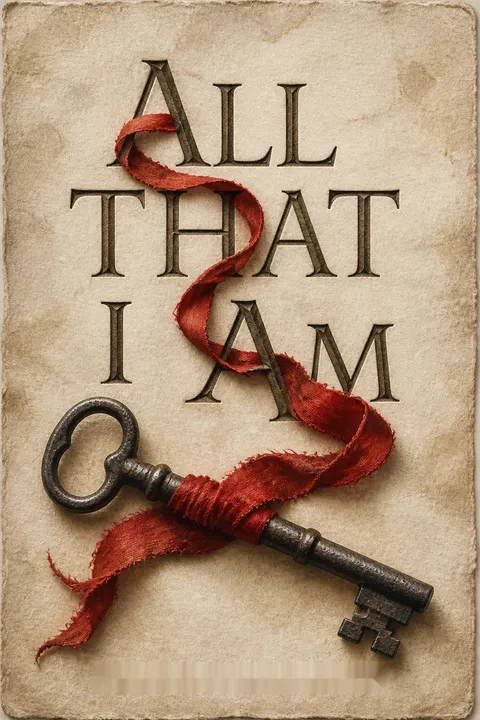
Keys, suitcases, photographs, and even small luxuries like cakes or violets become imbued with remembered significance, helping characters maintain connection to lost people and worlds. The recurrence of certain actions—hanging flags, boiling water, tidying rooms—marks both the persistence of routine amid chaos and the impossibility of controlling history. The motif of doors and locked rooms encapsulates entrapment but also the desperate, sometimes illusory, hope of safety.
Foreshadowing and Retrospective Irony
Characters' inability to see the coming catastrophe—despite repeated warnings, prophecies, and betrayals—underscores the fatal mechanics of historical blindness. Ruth's survivor guilt is partly founded in myriad small failures to imagine the full consequences of events as they unfolded. The narrative's retrospective stance allows for subtle irony to infiltrate even scenes of joy, love, and resistance.
Psychological Realism and Empathy
Rather than dramatize only heroics or victimhood, the novel lingers on everyday fears, failings, and fleeting moments of humanity. Long passages of reflection—internal monologues, dialogues conducted across time—invite the reader to participate in the characters' anxieties, doubts, and small kindnesses. This device insists that history is experienced most intimately in ordinary choices, mistakes, and attachments.
Download PDF
Download EPUB
.epub digital book format is ideal for reading ebooks on phones, tablets, and e-readers.








































