
Plot Summary
Flames in the Kitchen
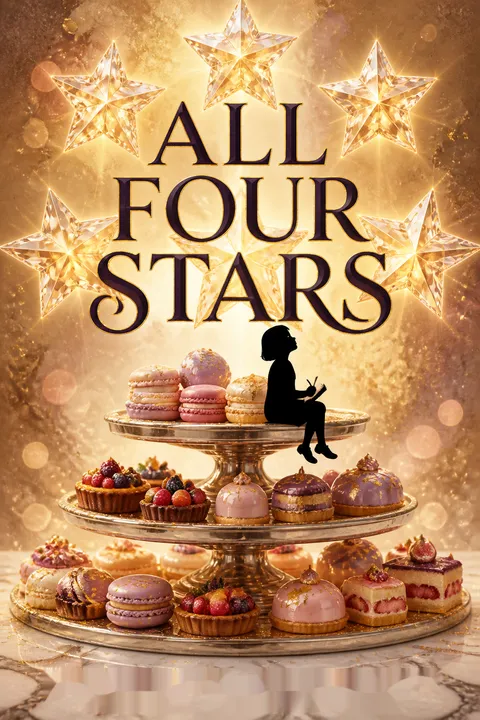
Eleven-year-old Gladys Gatsby's love for gourmet cooking leads her to a risky experiment with her father's blowtorch, resulting in a kitchen fire just as her parents return home. The incident exposes her secret culinary life, accumulated over years of clandestine cooking, and shatters her hopes of earning her parents' trust in the kitchen. Instead, she faces a strict ban on all things food-related—no cooking, no cookbooks, no food TV. Gladys is devastated, feeling misunderstood by her fast-food-loving parents, who see her passion as dangerous and isolating. The emotional fallout is immediate: guilt, frustration, and a sense of injustice, as Gladys is forced to relinquish the one activity that brings her joy and comfort.
Cooking Ban and Secrets
After the fire, Gladys's parents interrogate her, shocked by her self-taught skills and the extent of her secret cooking. They suspend her allowance and ban her from the kitchen for six months, hoping she'll pursue more "normal" hobbies and friendships. Gladys, feeling alienated, reflects on her parents' failed attempts at family cooking and their aversion to real food. She's forced to eat their bland takeout, which only deepens her longing for culinary creativity. Despite the ban, Gladys resolves to find a way to keep her passion alive, hiding her food journal and plotting a "survival plan." The emotional tension between Gladys and her parents simmers, setting the stage for her quiet rebellion.
Aunt Lydia's Culinary Influence
Gladys's love for food is traced back to her eccentric Aunt Lydia, who visits from Paris and introduces her to real restaurants and exotic flavors in New York City. Their culinary adventures—Ethiopian, kosher, and Chinese meals—open Gladys's eyes to a world beyond fast food. Aunt Lydia gifts her a secret cookbook and a food journal, encouraging Gladys to record her culinary experiences. This mentorship plants the seeds of Gladys's ambition to become a food writer, giving her a sense of identity and purpose. The emotional warmth of their bond contrasts sharply with Gladys's strained relationship with her own parents, highlighting the importance of supportive adults in nurturing a child's passion.
Alone in a Foodie World
Gladys's food obsession sets her apart at school, where cliques have formed and being "different" is risky. She finds solace in her food journal, rating meals and dreaming of four-star experiences. Her only friend, Parm, is a picky eater, and even their connection is tenuous. Gladys's parents remain oblivious to her struggles, focusing on her lack of social life rather than her unhappiness with their food. The emotional landscape is one of loneliness and longing, as Gladys navigates a world that doesn't understand or value her unique interests. Her journal becomes both a lifeline and a symbol of her outsider status.
The Essay Contest Spark
A new teacher, Ms. Quincy, arrives and announces a statewide essay contest sponsored by the New York Standard, with a $500 prize. The topic—"My Future"—excites Gladys, who sees a chance to win back her parents' trust and possibly end her cooking ban early. The contest also stirs up competition and social dynamics at school, especially with the popular but mean Charissa. Gladys is torn between writing about her true passion (food writing) and choosing a safer, more acceptable future. The contest becomes a catalyst for self-discovery, as Gladys grapples with authenticity versus acceptance, and the hope of redemption through her writing.
Friendship, Food, and Foes
Gladys's attempts to fit in at school are complicated by her friendship with Sandy, a shy neighbor with computer skills, and her ongoing tension with Charissa and her clique. Sandy becomes an unexpected confidant, helping Gladys navigate both social and culinary challenges. Parm remains a loyal, if reluctant, ally. Gladys's food knowledge starts to attract positive attention, but also jealousy and suspicion. The emotional stakes rise as Gladys balances her secret ambitions with the need for friendship and belonging, learning that support can come from unexpected places.
New Teacher, New Hope
Ms. Quincy quickly becomes a mentor, recognizing Gladys's writing talent but challenging her to write with genuine passion. She sees through Gladys's safe, uninspired essay about becoming a veterinarian and urges her to be honest about her dreams. Ms. Quincy's own story—growing up in Togo, studying in Switzerland and Hong Kong, and her passion for education—serves as inspiration. Gladys is torn between fear of exposure and the desire to be true to herself. The emotional arc is one of vulnerability and courage, as Gladys contemplates risking ridicule for the chance to pursue her real ambitions.
The Power of Passion
Spurred by Ms. Quincy's advice and Sandy's encouragement, Gladys rewrites her essay, openly declaring her dream of becoming a restaurant critic. The essay is chosen as her class's entry, and for the first time, Gladys's peers see her in a new light. She becomes a minor celebrity at school, fielding questions about food and recipes. The experience is both exhilarating and overwhelming, as Gladys navigates newfound attention and the complexities of popularity. The emotional payoff is a sense of validation and belonging, tempered by the anxiety of waiting for the contest results.
A Taste of Rejection
When the New York Standard announces the winner, Gladys learns she did not win—the prize goes to a zombie-themed essay from upstate. The rejection is crushing, reigniting feelings of inadequacy and frustration. Gladys's friends try to comfort her, but she struggles to see the value in her efforts. A chaotic food fight at school becomes a cathartic release, symbolizing both her anger and her resilience. The emotional low point is marked by self-doubt, but also a growing realization that her passion for food and writing is worth pursuing, win or lose.
Accidental Opportunity
In a twist of fate, Gladys's essay—formatted as a cover letter—ends up in the hands of Fiona Inglethorpe, the Dining editor at the New York Standard. Mistaking Gladys for an adult food writer, Fiona emails her, requesting samples of her restaurant reviews. At first, Gladys suspects a prank, but with Sandy's help, she confirms the offer is real. The opportunity is both thrilling and terrifying, as Gladys scrambles to produce "professional" reviews without ever having dined at a real restaurant recently. The emotional stakes are high, as Gladys faces the challenge of living up to adult expectations while hiding her true age.
The Editor's Pink Letter
Gladys, with Sandy's help, crafts two restaurant reviews—one glowing (based on Parm's family's Indian cooking) and one scathing (based on her parents' disastrous meals), disguising them as real establishments. Fiona is delighted and offers Gladys an assignment: review the new dessert bistro, Classy Cakes, in Manhattan. Gladys is elated but quickly realizes the logistical nightmare—she must get to New York City without her parents' knowledge. The emotional arc is a mix of excitement, anxiety, and determination, as Gladys plots her next move, desperate not to let this once-in-a-lifetime chance slip away.
Deceptive Dishes and Dilemmas
Gladys and Sandy brainstorm ways to get Gladys into the city, but every plan seems impossible without adult help. Gladys's aunt in Paris is unable to visit, and her parents are unlikely to take her to Manhattan. A school assignment to shadow a parent at work during spring break offers a glimmer of hope. Gladys convinces her father, a tax collector, to let her accompany him to the city, planning to sneak away to Classy Cakes. The emotional tension is palpable, as Gladys juggles deception, guilt, and the fear of being caught, all in pursuit of her dream.
The Great Review Ruse
Gladys's plan nearly unravels when her father's work takes them to the New York Standard building, where she narrowly avoids being recognized by her editor. Her attempt to visit Classy Cakes is thwarted by time constraints and parental supervision. Back home, Gladys is despondent, but a new opportunity arises: Charissa's birthday party, which includes a limo trip to a Broadway show in Manhattan. Gladys sees a second chance to reach Classy Cakes, but must first win Charissa's favor by baking irresistible desserts. The emotional rollercoaster continues, blending hope, desperation, and ingenuity.
Baking for a Ticket
To secure her spot in Charissa's limo, Gladys embarks on a baking marathon, enlisting help from Mrs. Anderson and Parm's family to create unique, delicious treats. Each day, she presents Charissa with a new dessert, culminating in a showstopping bluebarb crumble. Her efforts pay off—Charissa chooses Gladys as her guest for the birthday trip. The emotional arc is one of triumph and relief, as Gladys's culinary skills finally earn her the recognition and opportunity she craves, while also mending friendships and building new ones.
Charissa's Birthday Challenge
On the night of the party, Gladys joins Charissa's family in a purple limo bound for Manhattan. Her plan is to slip away during the Broadway show's intermission to visit Classy Cakes, but obstacles abound: uncooperative adults, crowded theaters, and a lack of opportunity to escape. Gladys's determination is tested as she improvises, ultimately sneaking out a bathroom window and racing through the city streets. The emotional intensity peaks as Gladys risks everything for her dream, embodying both the recklessness and resourcefulness of youth.
The Broadway Escape Plan
Gladys's escape from the theater is fraught with challenges—crowds, locked doors, and the ever-present risk of being caught. She finally reaches Classy Cakes, only to face a three-hour wait and a hostile hostess. Undeterred, Gladys sneaks into the dining room, sampling abandoned desserts and hiding under tables. Her resourcefulness allows her to taste enough dishes to write a credible review, but she's eventually discovered and thrown out. The emotional arc is a blend of exhilaration, fear, and bittersweet satisfaction, as Gladys achieves her goal through sheer grit and creativity.
Classy Cakes Catastrophe
Just as Gladys despairs over her incomplete review, fate intervenes: Charissa's family, inspired by Gladys's bluebarb crumble, brings the party to Classy Cakes. With a legitimate reservation, Gladys enjoys the full menu, taking detailed notes for her review. The experience is a culmination of her journey—her passion, perseverance, and friendships all converging in a moment of sweet success. Back home, Gladys's parents, moved by her essay and new friendships, lift her cooking ban. Gladys submits her review, which is published under the byline "G. Gatsby," preserving her secret while achieving her dream.
Sweet Success and New Beginnings
Gladys's Classy Cakes review appears in the New York Standard, earning praise from readers and her editor. Her secret is safe, her friendships are stronger, and her parents finally accept her passion for cooking. Gladys is offered future assignments, and her confidence soars. The emotional resolution is one of fulfillment, growth, and optimism, as Gladys embraces her identity as a writer, chef, and friend. The story ends with the promise of new adventures, both in the kitchen and beyond, as Gladys continues to pursue her dreams with courage and heart.
Analysis
Tara Dairman's All Four Stars is a vibrant celebration of passion, perseverance, and the courage to be oneself in a world that often misunderstands or undervalues difference. Through Gladys Gatsby's journey from secret chef to published food critic, the novel explores the challenges faced by gifted, unconventional children—navigating parental expectations, social hierarchies, and the gatekeeping of adult institutions. The story's humor and warmth make its deeper messages accessible: that true fulfillment comes from embracing one's authentic interests, that failure and rejection are stepping stones to growth, and that supportive relationships—whether with friends, mentors, or chosen family—are essential to overcoming obstacles. The book also offers a nuanced critique of conformity, showing how creativity and individuality can transform not only the protagonist's life but also the community around her. In a modern context, All Four Stars encourages young readers to pursue their passions boldly, to seek out mentors and allies, and to trust that their unique voices have value—even when the world isn't quite ready to listen.
Review Summary
All Four Stars is a charming middle-grade novel about 11-year-old Gladys Gatsby, who secretly loves cooking despite her parents' fast-food preferences. When she accidentally lands a job as a food critic, hilarity ensues as she tries to complete her assignment without getting caught. Readers praise the book's delightful humor, mouthwatering food descriptions, and relatable characters. While some found parts of the plot implausible, most enjoyed the story's balance of fun and realism. Many reviewers noted feeling hungry after reading and look forward to the sequels.
People Also Read

Characters
Gladys Gatsby
Gladys is an eleven-year-old culinary prodigy whose love for food and cooking sets her apart from her fast-food-obsessed parents and peers. Her secret life as a chef is both a source of joy and isolation, leading to conflict at home and loneliness at school. Gladys is introspective, resourceful, and fiercely independent, using her food journal as both a creative outlet and a shield against the world's indifference. Her relationships—with Aunt Lydia, Sandy, Parm, and eventually Ms. Quincy—provide the support and validation she craves. Gladys's journey is one of self-acceptance, as she learns to embrace her passion, take risks, and trust in her own voice, ultimately transforming her outsider status into a source of strength and connection.
Sandy Anderson
Sandy is Gladys's next-door neighbor and unlikely confidant. A year younger and socially awkward, Sandy is more comfortable with computers and rabbits than with people. His initial suspicion of Gladys (fearing she might cook his pet rabbits) gives way to genuine friendship as they bond over shared outsider status and secret projects. Sandy's technical skills and willingness to help are instrumental in Gladys's schemes, from verifying emails to planning city adventures. Psychologically, Sandy is cautious but curious, craving acceptance and validation. His friendship with Gladys helps him come out of his shell, while his unwavering support provides Gladys with the encouragement she needs to pursue her dreams.
Parminder "Parm" Singh
Parm is Gladys's closest friend at school, known for her extreme pickiness with food and her dry, skeptical outlook. Parm's family's rich Indian culinary tradition is lost on her, but not on Gladys, who finds inspiration and comfort in their meals. Parm is practical, blunt, and sometimes pessimistic, but her loyalty is steadfast. She helps Gladys navigate school politics and provides a reality check when needed. Parm's own struggles with fitting in mirror Gladys's, and their friendship is built on mutual understanding and acceptance of each other's quirks. Parm's willingness to help Gladys, even when she doesn't fully understand her passion, is a testament to the quiet strength of their bond.
Charissa Bentley
Charissa is the queen bee of Gladys's grade—beautiful, wealthy, and accustomed to getting her way. She wields her popularity as a weapon, orchestrating social hierarchies and competitions, such as her exclusive birthday party. Charissa is initially antagonistic toward Gladys, but her appreciation for Gladys's desserts reveals a more complex character. Beneath her bravado lies insecurity and a desire for genuine connection, which Gladys's kindness and culinary talent begin to fulfill. Charissa's development is subtle; while she remains self-centered, her interactions with Gladys hint at the possibility of growth and empathy.
Ms. Violetta Quincy
Ms. Quincy is the new sixth-grade teacher who recognizes Gladys's talent and challenges her to write with authenticity. Her own multicultural background and dedication to education make her a role model for Gladys. Ms. Quincy's encouragement is both practical and emotional, pushing Gladys to confront her fears and embrace her true self. She serves as a catalyst for Gladys's growth, providing the validation and guidance that her parents cannot. Psychologically, Ms. Quincy is empathetic, perceptive, and unafraid to challenge the status quo, embodying the ideal of a teacher who changes lives.
Aunt Lydia
Aunt Lydia is Gladys's mother's sister, living in Paris and embodying the adventurous, food-loving spirit that Gladys aspires to. Her visits and gifts—cookbooks, journals, and culinary wisdom—ignite Gladys's passion and provide a sense of belonging. Aunt Lydia's support is unconditional, offering Gladys a safe space to explore her identity. She represents the importance of adult mentors in a child's life, especially when parents are unsupportive. Psychologically, Aunt Lydia is free-spirited, open-minded, and deeply empathetic, serving as both a role model and a lifeline for Gladys.
Mr. and Mrs. Gatsby
Gladys's parents are practical, risk-averse, and deeply uncomfortable with her culinary ambitions. Their preference for convenience food and aversion to "dangerous" activities create a chasm between them and their daughter. They are not malicious, but their inability to understand Gladys's passion leads to conflict and secrecy. Over time, they begin to recognize her need for self-expression and friendship, eventually lifting the cooking ban and supporting her interests. Their development is gradual, marked by small gestures of acceptance and a willingness to change, reflecting the challenges and rewards of parenting a gifted, unconventional child.
Fiona Inglethorpe
Fiona is the Dining editor at the New York Standard, known for her love of pink and her high standards. She mistakes Gladys for an adult food writer, offering her the chance of a lifetime. Fiona's enthusiasm for Gladys's writing is genuine, and her willingness to overlook protocol in favor of talent is both a blessing and a source of tension. Psychologically, Fiona is driven, creative, and open to new voices, embodying the gatekeeper who recognizes and nurtures emerging talent. Her interactions with Gladys are professional but warm, providing external validation that propels Gladys forward.
Mr. Eng
Mr. Eng owns the local gourmet grocery, serving as a mentor and friend to Gladys. His shop is a sanctuary, filled with exotic ingredients and culinary wisdom. Mr. Eng's generosity—offering free samples, advice, and encouragement—helps Gladys develop her palate and confidence. He is observant, gentle, and quietly proud of Gladys's achievements, keeping her secret and celebrating her successes. Psychologically, Mr. Eng represents the importance of community and the value of small acts of kindness in nurturing young talent.
The Anderson Family
Sandy's mother, a computer programmer and yoga teacher, is a positive adult presence in Gladys's life, encouraging her baking and providing a model of supportive parenting. The Anderson household is lively, messy, and filled with warmth, contrasting with the Gatsby home's rigidity. Their acceptance of Gladys, quirks and all, helps her feel valued and understood. Psychologically, the Andersons embody the ideal of a chosen family—people who support and celebrate each other's differences.
Plot Devices
Mistaken Identity and Secret Talent
The central plot device is the mistaken identity that arises when Gladys's essay, formatted as a cover letter, is interpreted by the New York Standard as the work of a professional food critic. This device creates dramatic irony, as the reader knows Gladys's true age while the adult world does not. It allows Gladys to step into a role far beyond her years, testing her resourcefulness and integrity. The device also explores themes of authenticity, ambition, and the barriers young people face in being taken seriously. The narrative structure is episodic, with each chapter building on Gladys's escalating efforts to balance her secret life with her public persona, culminating in a high-stakes adventure that tests her ingenuity and courage.
Foreshadowing and Symbolism
The opening kitchen fire foreshadows both the obstacles Gladys will face and her eventual mastery of her passion. The recurring motif of food—both as comfort and conflict—symbolizes Gladys's journey toward self-acceptance. The food journal serves as a tangible record of her growth, while the blowtorch and kitchen tools represent both danger and potential. The use of culinary metaphors throughout the narrative reinforces the connection between food and identity, highlighting the transformative power of following one's passion.
Social Hierarchies and Friendship Dynamics
The social landscape of East Dumpsford Elementary is a microcosm of larger societal pressures to conform. Gladys's outsider status, Charissa's manipulations, and the shifting alliances among students create tension and opportunities for growth. The birthday party competition serves as both a plot engine and a commentary on the performative nature of popularity. Friendship, loyalty, and empathy are tested and ultimately strengthened through shared challenges and mutual support.
Adult Gatekeepers and Mentorship
The roles of Ms. Quincy, Aunt Lydia, Mr. Eng, and Fiona Inglethorpe are crucial in guiding Gladys's development. Each adult offers a different form of mentorship—encouragement, opportunity, wisdom, and validation—helping Gladys navigate the obstacles imposed by less supportive authority figures (her parents, school administrators). The interplay between adult expectations and child agency is a recurring theme, emphasizing the importance of advocacy and belief in young people's potential.
Humor and Satire
The novel employs humor—through culinary disasters, school antics, and Gladys's wry observations—to balance the emotional weight of rejection, isolation, and ambition. Satirical elements, such as the exaggerated school cliques and the absurdity of adult bureaucracy, provide social commentary while keeping the narrative accessible and engaging for young readers.
Download PDF
Download EPUB
.epub digital book format is ideal for reading ebooks on phones, tablets, and e-readers.








































