
Plot Summary
Childhood Dreams and Promises
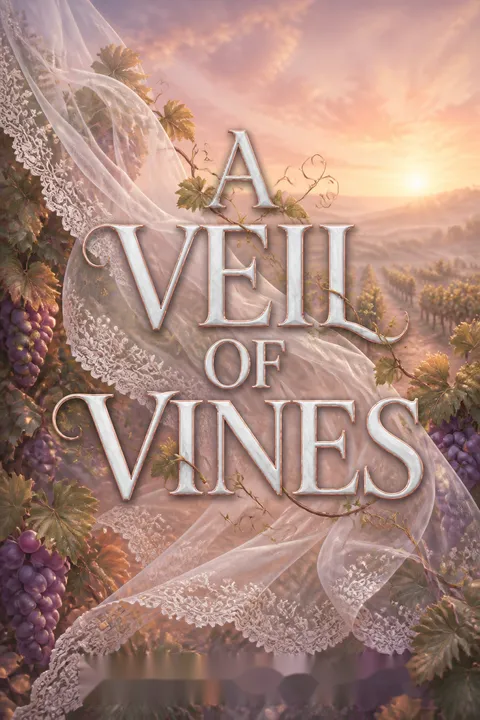
Caresa Acardi, a child of Italian aristocracy, dreams of marrying a prince, imagining a life of love and beauty. Her father, doting and proud, encourages her fantasies, promising that she is his little duchessa and that no one will ever love her as much as he does. This idyllic childhood is filled with innocence, hope, and the belief that love and tradition can coexist. The seeds of expectation are sown early, as Caresa's world is shaped by the weight of family legacy and the allure of a romantic destiny. Her dreams are wrapped in the symbolism of a wedding veil adorned with vines, a motif that will follow her into adulthood, representing both the beauty and the constraints of her heritage.
Duty Over Desire
As a young woman, Caresa faces the reality of her aristocratic upbringing: her marriage to Prince Zeno Savona has been arranged since childhood. On her last night in New York, she and her best friend Marietta mourn the loss of freedom and the inevitability of duty. Caresa is torn between loyalty to her family and the fear of losing herself in a loveless union. The weight of tradition presses down, and the prospect of moving to Italy to fulfill her role as duchessa feels both surreal and suffocating. The chapter closes with Caresa's reluctant acceptance of her fate, her heart heavy with uncertainty as she prepares to leave behind the life she knows.
Arrival in Umbria
Caresa's arrival at the Bella Collina estate in Umbria is marked by awe at the breathtaking landscape and the grandeur of the Savona family's holdings. She is greeted by Prince Zeno, whose charm is tinged with detachment and a sense of obligation. The estate is a world apart—lush, secretive, and steeped in history. Caresa is both enchanted and lonely, her days filled with fittings, luncheons, and the rituals of high society. The opulence of her surroundings cannot mask the emptiness she feels, nor the growing realization that her life is being orchestrated for the benefit of others. The estate's famed merlot, Bella Collina Reserve, becomes a symbol of both exclusivity and longing.
The Winemaker's Secret
Seeking solace from the stifling expectations of her new life, Caresa wanders the estate and stumbles upon a secluded vineyard and a modest stone cottage. There she meets Achille Marchesi, the shy, rugged winemaker whose hands and heart are devoted to the land. Their first meeting is charged with curiosity and unspoken connection. Achille's world is one of simplicity, passion, and quiet pride—a stark contrast to the formality of the main house. Caresa is drawn to his authenticity and the mystery surrounding the legendary merlot he crafts. Unbeknownst to her, this encounter will unravel the threads of her carefully arranged future.
Amongst the Vines
Caresa returns to Achille's vineyard, eager to learn about the winemaking process and to escape the confines of her prescribed role. Together, they harvest grapes, ride horses, and share stories of family and loss. Achille reveals his struggles with reading and writing, a vulnerability that deepens their bond. Through their time together, Caresa rediscovers joy and purpose, finding in Achille a kindred spirit who values the land and the heart above all else. Their connection grows, fueled by mutual respect and the intoxicating beauty of the Umbrian countryside. The vines become a metaphor for their budding relationship—rooted, resilient, and quietly flourishing.
Forbidden Affection
As Caresa and Achille spend more time together, their friendship blossoms into a forbidden romance. The boundaries of duty and desire blur as they share stolen moments, laughter, and the simple pleasures of rural life. Achille's humility and depth awaken feelings in Caresa that she has never known. Their love is both a refuge and a rebellion against the expectations that bind them. Yet, the reality of her engagement to Zeno and the ever-watchful eyes of society loom large. The tension between what is right and what is true intensifies, setting the stage for heartbreak and transformation.
Hearts in Conflict
Caresa is caught in a storm of emotions as her love for Achille deepens and the pressure to fulfill her duty to Zeno mounts. The estate buzzes with preparations for the grape harvest festival and the upcoming wedding, amplifying her sense of entrapment. Achille, too, is tormented by the impossibility of their situation, his self-worth battered by years of being overlooked and misunderstood. Their clandestine affair is a fragile sanctuary, threatened by the inevitability of exposure and the demands of tradition. Both must confront the painful truth that love alone may not be enough to overcome the forces arrayed against them.
The Grape Harvest Festival
The annual grape harvest festival brings together the local community, aristocrats, and wine enthusiasts from around the world. Caresa and Zeno are thrust into the spotlight, their engagement celebrated as a union of power and prestige. Achille's merlot wins the coveted international award, but his triumph is overshadowed by isolation and the knowledge that his genius remains unrecognized. Amidst the revelry, Caresa's heart aches for Achille, and their brief, hidden encounter is charged with longing and sorrow. The festival becomes a crucible, exposing the cracks in the facade of happiness and setting in motion the unraveling of secrets.
Unveiling Hidden Truths
A series of revelations shatter the fragile equilibrium of Bella Collina. Caresa discovers Achille's illiteracy and offers her support, deepening their intimacy. Meanwhile, Zeno's struggles with the family business and his own sense of inadequacy come to light. The pressure of maintaining appearances becomes unbearable, and the truth about Achille's parentage begins to surface. Letters, confessions, and confrontations expose the tangled web of love, betrayal, and sacrifice that binds the characters together. Loyalties are tested, and the cost of silence becomes painfully clear.
The Prince and the Pauper
The revelation that Achille is the illegitimate son of the late King Santo Savona—and thus Zeno's half-brother—upends the social order of the estate. Achille's entire identity is thrown into question, as he grapples with the knowledge that he is both a prince and an outsider. Zeno, reeling from the loss of his father and the collapse of his own authority, lashes out in anger and denial. The brothers' confrontation is raw and violent, a catharsis for years of suppressed pain. Caresa is caught in the crossfire, her love for Achille now fraught with even greater risk and consequence.
Shattered Loyalties
In the aftermath of the explosive revelations, Achille is cast out of Bella Collina, and Caresa is left to face the ruins of her dreams. The estate is plunged into turmoil, as old alliances crumble and new ones are forged. Achille seeks refuge with his aunt in Sicily, wrestling with grief, anger, and the burden of his newfound heritage. Caresa, numb with loss, is pressured to proceed with her wedding to Zeno, her spirit broken by the weight of expectation. Both are forced to confront what they truly value, and whether love can survive the devastation wrought by truth.
The Letter's Revelation
Alone in Sicily, Achille finally reads the letter left by his adoptive father, Benito Marchesi. The letter reveals the full story of his parentage, the love and pain that shaped his family, and the reasons for his isolation. Achille learns that he is the product of a passionate but tragic affair, and that his father's greatest wish was for him to find happiness and claim his rightful place in the world. The letter becomes a catalyst for healing, inspiring Achille to return to Bella Collina and fight for the life and love he deserves. The past, once a source of shame, is transformed into a foundation for hope.
Love and Loss
Caresa and Achille endure a period of painful separation, each haunted by memories and the ache of unfinished love. Caresa tends to Achille's vineyard in his absence, bottling the merlot and caring for the horses as a way to keep his spirit alive. Zeno, grappling with his own failures and the collapse of his engagement, begins to see the value in humility and reconciliation. The estate is a place of mourning and waiting, as all three struggle to find meaning in their suffering. The enduring power of love becomes a quiet, persistent force, guiding them toward eventual reunion.
The Choice of the Heart
Achille returns to Bella Collina, transformed by his journey and ready to claim his place as both prince and winemaker. Zeno, humbled and seeking redemption, acknowledges Achille as his brother and offers him a share in the family legacy. Caresa, freed from the constraints of duty, chooses Achille without reservation. Their reunion at dawn on the hill above the estate is a moment of profound healing and joy. The past is forgiven, and the future is embraced with open hearts. Together, they vow to build a life rooted in love, honesty, and the beauty of the land.
Reunion at Dawn
In the golden light of morning, Achille proposes to Caresa with his mother's simple ring, symbolizing the union of their souls and the merging of their histories. Their love, once forbidden and fraught with obstacles, is now celebrated and affirmed. The estate, once a place of secrets and sorrow, becomes a sanctuary for new beginnings. Achille and Caresa's commitment to each other is witnessed by the land, the vines, and the rising sun—a testament to the enduring power of love to heal and transform. Their story is no longer one of loss, but of hope and fulfillment.
A Veil of Vines
Caresa and Achille are married in a grand ceremony at the Florence Duomo, surrounded by family, friends, and the ghosts of the past. Caresa's veil, adorned with silken vines, is the fulfillment of her childhood dream and a symbol of the life they have chosen together. The union of duchessa and prince, winemaker and dreamer, is a celebration of love's triumph over tradition and adversity. The estate flourishes under their care, and the Bella Collina merlot continues to enchant the world. Their marriage is not just a joining of two people, but a reconciliation of history, identity, and the promise of a brighter future.
New Beginnings
Years later, Achille and Caresa's life is filled with joy, children, and the rhythms of the vineyard. Achille, once an outsider, is now a beloved prince, brother, and father. Zeno, too, finds purpose and peace, his relationship with Achille healed and strengthened. The estate thrives, a testament to the power of forgiveness, resilience, and love. The story ends with Achille reading to his son Santino by the fire, the legacy of the past transformed into a foundation for generations to come. The veil of vines, once a symbol of constraint, is now a banner of hope, unity, and the enduring magic of love.
Analysis
A Veil of Vines is a modern fairytale that interrogates the tension between tradition and authenticity, exploring how love can both challenge and fulfill the expectations of heritage. Through the intertwined journeys of Caresa, Achille, and Zeno, the novel examines the costs of silence, the pain of exclusion, and the courage required to claim one's truth. The lush setting of Umbria and the symbolism of winemaking ground the story in a sense of place and continuity, while the characters' psychological struggles lend it emotional depth. The narrative ultimately argues that true nobility lies not in blood or title, but in the willingness to love, forgive, and grow. The lessons of the novel are clear: happiness is found in embracing vulnerability, honoring the past without being bound by it, and choosing love—even when it defies the world's expectations. In a time when many feel caught between duty and desire, A Veil of Vines offers a hopeful vision of reconciliation, healing, and the transformative power of the heart.
Review Summary
A Veil of Vines is a modern fairy tale romance set in Italy, featuring an arranged marriage between Italian aristocrats. Readers praised the beautiful writing, vivid descriptions of Italian wine country, and the sweet love story between Caresa and Achille. Many found it a departure from Cole's usual darker works, with some enjoying the lighter tone while others missed her grittier style. The book received mostly positive reviews for its romantic storyline and swoon-worthy hero, though some felt it was overly sentimental or predictable.
People Also Read


Characters
Caresa Acardi
Caresa is the daughter of Italian aristocrats, raised between the traditions of her homeland and the cosmopolitan freedom of New York. Intelligent, compassionate, and quietly rebellious, she is shaped by the expectations of her family and the weight of her title. Her journey is one of self-discovery, as she learns to distinguish between the life prescribed for her and the life her heart desires. Caresa's relationship with Achille awakens her to the possibility of authentic love, challenging her to defy convention and claim her own happiness. Her psychological arc is marked by the struggle between duty and desire, culminating in the courage to choose love over legacy. Through her, the novel explores themes of agency, sacrifice, and the transformative power of vulnerability.
Achille Marchesi / Savona
Achille is the humble, introverted winemaker of Bella Collina, defined by his deep connection to the land and his quiet strength. Scarred by years of being overlooked and misunderstood, particularly due to his struggles with literacy, Achille finds solace in the rhythms of nature and the craft of winemaking. His world is upended by the revelation of his royal parentage, forcing him to confront issues of identity, belonging, and self-worth. Achille's love for Caresa is both a source of healing and a catalyst for transformation, empowering him to embrace his heritage and claim his place in the world. His psychological journey is one of overcoming shame, accepting love, and finding the courage to be seen.
Zeno Savona
Zeno is the heir to the Savona legacy, a man caught between the allure of privilege and the crushing weight of responsibility. Charismatic yet emotionally distant, he is shaped by the loss of his father, the abandonment of his mother, and the relentless scrutiny of society. Zeno's initial arrogance masks deep insecurity and a longing for genuine connection. The revelation of Achille's true identity forces him to confront his own failures and the limitations of tradition. Through his evolving relationship with Achille and Caresa, Zeno learns humility, empathy, and the value of brotherhood. His arc is one of redemption, as he moves from rivalry to reconciliation.
Benito Marchesi
Benito is Achille's adoptive father, a man of quiet dignity and unwavering love. His life is marked by sacrifice, as he raises Achille in the shadow of scandal and protects him from the harsh realities of their world. Benito's struggles with his own limitations—particularly his inability to help Achille with his learning difficulties—are a source of pain and regret. His posthumous letter to Achille is a pivotal moment in the novel, offering both confession and blessing. Benito embodies the themes of forgiveness, resilience, and the enduring power of parental love.
King Santo Savona
Santo is the late king whose actions set the novel's events in motion. His affair with Abrielle Bandini and the birth of Achille are sources of both joy and tragedy. Santo is a complex figure—capable of great love, but also of cowardice and self-preservation. His inability to publicly acknowledge Achille is a reflection of the constraints of his position and the corrosive effects of secrecy. Santo's legacy is one of both splendor and sorrow, his choices reverberating through the lives of his children.
Abrielle Bandini
Abrielle is Achille's biological mother, a gifted dressage champion whose life is marked by passion, longing, and loss. Her affair with King Santo and her untimely death cast a long shadow over Achille's life. Abrielle's memory is a source of both pain and inspiration, her love for Achille and Benito shaping the emotional landscape of the novel. She represents the costs of forbidden love and the enduring impact of maternal devotion.
Marietta
Marietta is Caresa's best friend, a fellow aristocrat who provides emotional support and comic relief. Her own struggles with the expectations of their social circle mirror Caresa's, and her presence highlights the importance of friendship and solidarity. Marietta's role is to ground Caresa, offering perspective and encouragement as she navigates the complexities of love and duty.
Pia Florentino
Pia is a minor aristocrat who befriends Caresa and offers candid insights into the realities of their world. Her own experiences with forbidden love and loss serve as a cautionary tale, urging Caresa to fight for her happiness. Pia's empathy and wisdom make her a crucial ally, and her subplot underscores the novel's themes of choice and consequence.
Maria
Maria is Caresa's personal secretary, responsible for managing her schedule and guiding her through the rituals of aristocratic life. Though often in the background, Maria's presence is a reminder of the machinery of tradition and the ways in which individuals are shaped by the systems around them. Her quiet support and occasional moments of warmth add depth to the social world of the novel.
Santino
Santino is the son of Achille and Caresa, born in the epilogue. He represents the fulfillment of their love and the promise of a new generation. Through Santino, the novel affirms the possibility of healing, continuity, and the enduring power of family.
Plot Devices
Arranged Marriage and Social Obligation
The novel's central conflict is rooted in the tradition of arranged marriages among the Italian aristocracy. This device serves to highlight the tension between individual desire and collective duty, forcing characters to confront the costs of conformity. The arranged marriage between Caresa and Zeno is both a barrier to true love and a catalyst for self-discovery, propelling the narrative toward its ultimate resolution.
Secret Identity and Hidden Lineage
The revelation that Achille is the illegitimate son of King Santo is a classic plot twist, reconfiguring relationships and upending the social order. This device explores themes of belonging, legitimacy, and the arbitrariness of status. The secret lineage is foreshadowed through subtle clues—physical resemblance, the king's interest in Achille, and the isolation of the Marchesi family. The eventual disclosure is both a moment of crisis and an opportunity for healing.
Letters and Confessions
Letters play a pivotal role in the novel, serving as vessels for confession, revelation, and reconciliation. Benito's letter to Achille is the emotional fulcrum of the story, offering both the pain of truth and the possibility of redemption. The motif of literacy—Achille's struggle to read and write—mirrors the broader theme of finding one's voice and claiming one's story.
Symbolism of the Vines and Wine
The vines and the process of winemaking are recurring symbols, representing growth, resilience, and the intertwining of past and present. The Bella Collina merlot is both a literal and figurative product of love, labor, and heritage. The motif of the veil of vines encapsulates the novel's central themes: the beauty and burden of tradition, the possibility of renewal, and the enduring magic of connection.
Foreshadowing and Parallelism
The novel employs foreshadowing through childhood dreams, repeated imagery, and the stories of previous generations. The parallels between Achille's parents and his own love story with Caresa underscore the cyclical nature of love, loss, and redemption. The narrative structure, moving from innocence to experience, from secrecy to revelation, reinforces the emotional arc of the characters.
About the Author










Download PDF
Download EPUB
.epub digital book format is ideal for reading ebooks on phones, tablets, and e-readers.








































