
Plot Summary
Marshmallow Fluff and Fate
Phoebe Blair, a plus-size historian with a passion for lost women's stories, is caught eating marshmallow fluff in her basement office when Armitage Gallier, a handsome, reserved billionaire, arrives with a mysterious research request. Their awkward, electric meeting is the spark that ignites a journey into the past. Armitage's inquiry centers on a vaudeville star, Evelyn Cross, whose disappearance in 1897 is a historical enigma. Phoebe, who owes her own survival to discovering Evelyn's existence, is drawn in both professionally and personally. The scene is set for a dual-timeline narrative: Phoebe's present-day investigation and the unfolding drama of Evelyn's life, as both women seek answers, connection, and a sense of belonging.
The Vaudeville Mystery
Phoebe is swept into Armitage's world, visiting his family's Fifth Avenue mansion and discovering a treasure trove of historical artifacts. The heart of the mystery is a yellowed vaudeville "girlie card" featuring Evelyn Cross, found among the effects of Thomas Gallier, Armitage's ancestor. As Phoebe learns, Evelyn was a plus-size sensation, a trailblazer for women like herself, and her abrupt disappearance from the stage is a puzzle that has haunted historians. The narrative weaves together Phoebe's own struggles with body image and self-worth, and her growing fascination with both Evelyn and Armitage, as she begins to piece together the story of a woman who dared to be undeniable.
The Moth and the Empire
In 1897, Evelyn Cross faces the decline of her career as vaudeville's tastes shift toward slender, "respectable" women. She is defiant, witty, and fiercely loyal to her friends, but the world is closing in. Meanwhile, Thomas Gallier, a man obsessed with control and order, is desperate to save his grand project, The Empire—a pleasure palace that needs a star to secure its future. Their worlds collide when Thomas, searching for something "undeniable," is captivated by Evelyn's performance. Their first meeting is a dance of seduction and resistance, each recognizing in the other a kindred spirit and a dangerous temptation.
Rules, Rejections, and Revelations
Evelyn and Thomas's initial encounter is fraught with tension. She tries to seduce him to secure her future, but he refuses to mix business with pleasure, even as he is clearly drawn to her. Both are haunted by insecurities—Evelyn by the fear of being unwanted, Thomas by the terror of losing control. Their mutual need is palpable, but so is the risk. In the present, Phoebe and Armitage's dynamic mirrors this push and pull, as Phoebe's irreverence and Armitage's reserve create sparks and misunderstandings. The stage is set for both pairs to confront the rules they've built to protect themselves—and the possibility of breaking them.
A Dangerous Proposition
Evelyn's world is populated by outcasts: her best friend Jules, a female impersonator; Annie, a disabled illusionist; and a host of others marginalized by society. As bookings dry up, Evelyn's pride and loyalty are tested. Thomas, under pressure from investors and the press, offers her a chance at The Empire—but only if she submits to a humiliating act devised by his director, turning her into a joke. Evelyn's refusal is explosive, smashing the caricature and storming out. Both she and Thomas are left reeling, forced to confront what they truly want—and what they're willing to risk for it.
The Hippo and the Star
After the disastrous audition, Evelyn's friends rally around her, and Dr. Andrew Samson, Thomas's confidant, pleads her case. Evelyn, ever pragmatic, decides to leverage her value: she will save The Empire, but on her terms. She negotiates a contract that makes her not just the star, but a partner, demanding fair pay, creative control, and protections for her fellow performers. Thomas, unable to resist her force of will and his own desire, agrees. Their partnership is forged in mutual need and wary respect, but the boundaries between business and pleasure are already blurring.
Contracts and Confessions
As rehearsals begin, Evelyn assembles a bill of outcasts and misfits, creating a show unlike any Manhattan has seen. Thomas is both thrilled and terrified—her vision is bold, but the press and society are unforgiving. Their days are spent in creative collaboration, their nights in negotiation and longing. Slowly, they begin to reveal their secrets: Evelyn's childhood wounds, Thomas's hidden identity as an Irish imposter, and the deep loneliness that haunts them both. Their connection deepens, but so do the risks, as powerful enemies close in and the stakes of love and ambition become inseparable.
The Show Must Go On
The Empire's opening approaches, and the pressure mounts. Evelyn's show is a triumph of diversity and defiance, but the press mocks her, and Thomas is blackmailed by Nehemiah Alban, who threatens to expose his past and destroy everyone he loves unless he marries Alban's daughter, Constance. In the present, Phoebe's research uncovers the same patterns of erasure and resistance, as she battles Armitage's family's desire to keep the past hidden. Both timelines converge on the question: who gets to write history, and whose stories are worth telling?
Elephant Rides and Realizations
A publicity stunt at an animal auction cements Evelyn's status as a star, drawing crowds and headlines. Thomas is dazzled by her ability to command attention and turn ridicule into power. Their relationship blossoms in secret, filled with stolen moments and love letters. But the threat of exposure looms, and both are forced to confront the limits of their bravery. In the present, Phoebe and Armitage's intimacy grows, but the shadow of secrecy and shame threatens to undo them. The lesson is clear: love requires risk, and the courage to be seen.
Coney Island and Control
A day at Coney Island becomes a turning point for Evelyn and Thomas. In disguise, they allow themselves to play, to desire, to imagine a different life. Their physical intimacy is tender and transformative, but Thomas's fear of losing control—and of being unmasked—remains. Evelyn, too, is haunted by the fear of heartbreak, determined never to be her mother, never to give a man the power to destroy her. Their rules are tested, and the possibility of real love emerges, fragile and terrifying.
Love Letters and Lies
As The Empire's opening nears, Alban's threats force Thomas into an impossible choice: marry Constance and save everyone, or fight and risk ruin for all. He chooses sacrifice, breaking Evelyn's heart to protect her. The grand opening is a spectacle of success and sorrow, as Thomas weds Constance in public while dying inside. Evelyn, devastated, prepares to flee to Paris, believing love has failed her. In the present, Phoebe faces her own heartbreak, realizing Armitage is too afraid to claim her publicly, and that she deserves more than secrecy.
The Curse of the Dreamer
On the day of The Empire's opening, a riot of love and loyalty erupts. Evelyn's friends, refusing to let her go, orchestrate a chaotic, glorious intervention. Constance, too, rejects her father's control, choosing her own happiness. In a climactic scene, Thomas and Evelyn defy the world, confess their love, and reclaim their future. The show becomes a revolution, a celebration of the undeniable. In the present, Phoebe, inspired by Evelyn's courage, chooses to tell the story, refusing to let it be erased, even if it means losing Armitage.
The Ball and the Betrayal
The aftermath is bittersweet. Thomas and Evelyn must reckon with the cost of their defiance, but they are no longer alone. Their love, once denied, is now undeniable, and their community stands with them. In the present, Phoebe's decision to publish the story is both an act of love and self-respect, breaking the cycle of shame and silence. Armitage, finally, confesses his love and his fear, offering her the ring that was meant for Evelyn—a symbol of the stories we choose to tell, and the lives we choose to claim.
The Empire's Grand Opening
The Empire's opening is a riot of color, music, and rebellion. The wedding is interrupted, the audience becomes part of the show, and the old order is upended. Thomas and Evelyn, at last, are united onstage, their love celebrated by all. The world may not be ready for them, but they are ready for each other. In the present, Phoebe's book is published, and Evelyn's story is finally told. The past and present converge in a triumphant affirmation: love, once denied, can be reclaimed.
Happily Ever After, Rewritten
The story ends with a letter from Armitage, acknowledging his failures and his love, and offering Phoebe the chance to rewrite their ending. The lessons of Evelyn and Thomas echo forward: that history is made by those who dare to be undeniable, that love is worth the risk, and that the stories we tell can change the world. Phoebe, like Evelyn, chooses to live as she wishes, not as she is told. The curtain falls on a new kind of happily ever after—one written by and for those who refuse to be erased.
Analysis
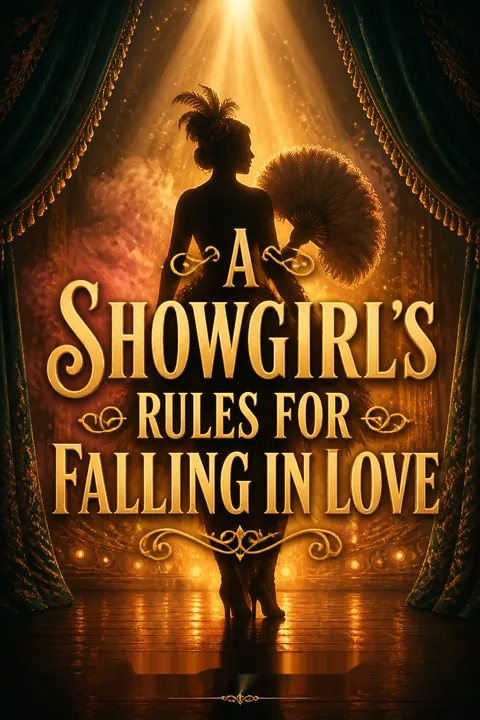
A Showgirl's Rules for Falling in Love is a vibrant, meta-historical romance that interrogates who gets to be seen, loved, and remembered. Through its dual timelines and mirrored relationships, the novel explores the costs of shame, the courage required to claim one's story, and the transformative power of community. Evelyn Cross's journey from marginalized spectacle to undeniable star is both a celebration of resilience and a critique of the forces that erase difference. The present-day narrative, with Phoebe's struggle to publish the truth and demand more from love, extends these themes into our own era, challenging readers to consider whose stories are still being silenced. The novel's structure—blending fiction, "historian's notes," and self-aware commentary—invites us to question the boundaries between fact and narrative, and to recognize the act of storytelling as an act of resistance. Ultimately, the book insists that love, in all its forms, is worth the risk of being seen, and that the stories we choose to tell can change not only the past, but the future.
Review Summary
A Showgirl's Rules for Falling in Love presents dual timelines following historian Phoebe Blair researching the 1897 romance between vaudeville performer Evelyn Cross and theater impresario Thomas Gallier, while developing her own relationship with billionaire Armitage Gallier. Reviews praise the unconventional structure, plus-size representation, and cinematic writing style, with readers appreciating the celebration of marginalized vaudeville performers and body positivity. However, opinions divide sharply: some find the dual narrative brilliant and emotionally resonant, while others criticize repetitive writing, disjointed timelines, and the ambiguous ending that defies traditional romance conventions.
People Also Read

Characters
Evelyn Cross
Evelyn is a plus-size vaudeville star in 1897 Manhattan, celebrated for her boldness and talent but threatened by changing tastes and societal prejudice. Fiercely loyal to her friends and unafraid to challenge authority, she is both a survivor and a dreamer. Her relationship with Thomas Gallier is a battle of wills and hearts, as she struggles to protect herself from heartbreak while yearning for real love. Evelyn's journey is one of self-acceptance, courage, and the refusal to be denied—she becomes a symbol for all who have been marginalized and erased.
Thomas Gallier / Tom Gallagher
Thomas is the secretive, ambitious builder of The Empire, hiding his true identity as an Irish imposter behind a mask of English gentility. Obsessed with control and terrified of vulnerability, he is drawn to Evelyn's chaos and authenticity. His journey is one of unmasking—learning to risk everything for love, to accept his past, and to choose connection over ambition. His relationship with Evelyn is transformative, forcing him to confront his deepest fears and to become, at last, undeniable.
Phoebe Blair
Phoebe is a present-day historian whose own struggles with body image and belonging mirror Evelyn's. Her research into Evelyn's life becomes a journey of self-discovery, as she navigates her growing feelings for Armitage and her determination to reclaim lost stories. Phoebe's voice is irreverent and vulnerable, blending humor with insight. Her arc is about learning to demand more—from history, from love, and from herself—and to become the author of her own story.
Armitage Gallier
Armitage is a modern-day billionaire, heir to the Gallier legacy, who hires Phoebe to investigate his family's past. He is both drawn to and afraid of Phoebe's authenticity, struggling with the expectations of his family and his own fear of vulnerability. His relationship with Phoebe is a mirror of Thomas and Evelyn's, marked by secrecy, longing, and the challenge of breaking free from inherited shame. Armitage's journey is one of learning to risk, to love openly, and to let go of control.
Jules Moreau
Jules is Evelyn's best friend, a celebrated female impersonator who faces prejudice and danger with humor and grace. He is a survivor, fiercely protective of his chosen family, and a source of wisdom and support for Evelyn. Jules's presence highlights the diversity and complexity of the vaudeville world, and his friendship with Evelyn is a model of unconditional love and solidarity.
Dr. Andrew Samson
Andrew is Thomas's confidant and physician, a man of privilege who chooses to use his position to help others. He is both a voice of reason and a catalyst for change, encouraging Thomas to confront his fears and to embrace vulnerability. Andrew's own journey is one of reconciliation—between duty and desire, tradition and progress.
Beatrice Matterly
Beatrice is the matron of the boarding house where Evelyn and her friends live, a former mistress who has reinvented herself as a caretaker and mentor. She is both stern and loving, offering tough advice and unwavering support. Beatrice's relationship with Evelyn is maternal, challenging her to demand more from life and to fight for her happiness.
Constance Alban
Constance is the daughter of Nehemiah Alban, caught between her father's ambitions and her own desires. Initially a pawn in the marriage plot, she ultimately asserts her agency, choosing love over duty. Constance's arc is one of awakening, as she rejects the roles assigned to her and claims her own future.
Nehemiah Alban
Alban is the newspaper magnate who wields his influence to control Thomas, Evelyn, and the fate of The Empire. He is a symbol of the forces that erase and oppress, using shame and blackmail to maintain his power. Alban's presence is a constant threat, forcing the protagonists to confront the cost of defiance and the necessity of solidarity.
The Dancing Dozen & Vaudeville Ensemble
Evelyn's troupe of performers—plus-size dancers, disabled illusionists, queer artists, and more—represent the richness and resilience of those excluded from mainstream history. Their collective journey is one of survival, creativity, and mutual support, challenging the narratives of erasure and celebrating the power of community.
Plot Devices
Dual Timeline and Meta-Narrative
The novel employs a dual timeline, alternating between Evelyn and Thomas's 1897 romance and Phoebe and Armitage's present-day investigation. This structure allows for reflection, commentary, and the exploration of how history is constructed, remembered, and reclaimed. The meta-narrative—Phoebe's process of researching, writing, and ultimately publishing Evelyn's story—serves as both a plot engine and a meditation on the power of storytelling. The use of letters, artifacts, and "historian's notes" blurs the line between fiction and reality, inviting readers to question whose stories are told and why.
Foil Characters and Mirrored Relationships
The relationships between Evelyn/Thomas and Phoebe/Armitage are carefully mirrored, each pair grappling with issues of shame, vulnerability, and the courage to be seen. Secondary characters—Jules, Beatrice, Constance—serve as foils, highlighting the protagonists' struggles and growth. The narrative uses these parallels to explore themes of legacy, repetition, and the possibility of rewriting the ending.
Symbolism and Motifs
Key symbols—Evelyn's hat, the engagement ring, the vaudeville stage, the marshmallow fluff—carry emotional and thematic weight, representing identity, desire, and the struggle for self-acceptance. Motifs of performance, masks, and spectacle recur throughout, underscoring the tension between authenticity and survival. The recurring image of "undeniable" love and presence is both a goal and a challenge, driving the characters to risk everything for connection.
Social Commentary and Historical Context
The novel is deeply invested in the politics of representation, using the vaudeville setting to explore issues of body image, gender, sexuality, disability, and race. The historical context is not mere backdrop but an active force, shaping the characters' choices and the obstacles they face. The present-day storyline extends this commentary, examining how stories are preserved or erased, and the ongoing struggle for visibility and respect.
Climactic Reversal and Rewriting the Ending
The narrative builds toward a series of climactic reversals: the wedding riot, the public declaration of love, the rewriting of history. These moments are both plot twists and thematic statements, asserting the right to happiness, visibility, and self-definition. The final chapters, including Armitage's letter and Phoebe's act of publication, reinforce the message that stories can be reclaimed, endings can be rewritten, and love—once denied—can become undeniable.
Download PDF
Download EPUB
.epub digital book format is ideal for reading ebooks on phones, tablets, and e-readers.








































