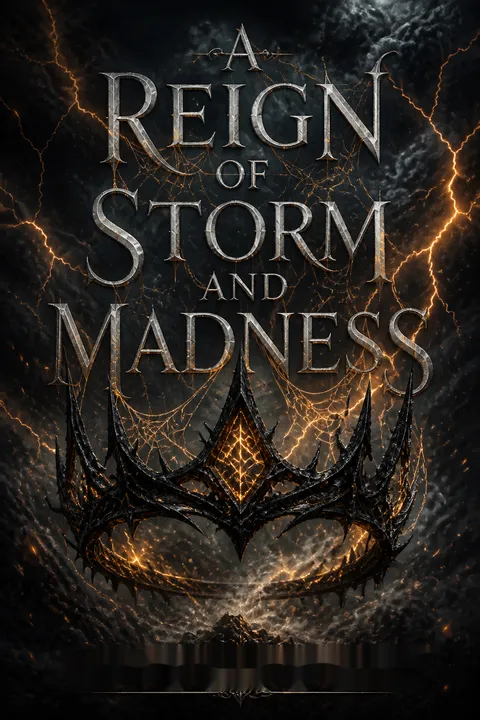

Plot Summary
Storms and Sins Unleashed
In a realm where gods walk among mortals, Kiera, a Terra servant with a hidden past, is thrust into the cruel games of the Mortal Gods Academy. Her defiance and sharp wit set her apart, drawing the attention—and ire—of the powerful Darkhaven brothers. When a mistake leads to her brutal punishment, the storm inside Kiera is unleashed, setting the stage for a battle not just for survival, but for her very soul. The gods' world is one of violence, hierarchy, and secrets, and Kiera's refusal to break marks her as both a threat and a target. The emotional weight of her suffering and the injustice of her world ignite a fire that will not be easily extinguished.
Chains, Whips, and Mercy
Kiera's defiance is met with a hundred lashes, a punishment designed to break her body and spirit. Starved and isolated, she faces the arena, her pain witnessed by the entire Academy. Yet, even as the whip tears her flesh, she clings to her identity and her secrets. The Darkhaven brothers, especially Ruen, are wracked with guilt, and Kalix intervenes in his own twisted way to heal her. The gods' mercy is a double-edged sword, and Kiera's suffering becomes a spectacle—a warning to others, but also a testament to her unyielding will. The emotional scars run deep, but so does her resolve to survive and reclaim her agency.
Illusions of Pain and Power
As Kiera recovers, Ruen's guilt drives him to use his illusion magic to absorb her pain during the punishment, a secret act of penance. The lines between captor and captive blur as the Darkhavens' own traumas and vulnerabilities are revealed. Kiera's resilience is tested not just by physical agony, but by the psychological games of her masters. Theos, too, is drawn to her, seeking solace in her presence. The power dynamics shift, and the emotional landscape becomes fraught with longing, regret, and the first stirrings of forbidden connection. The gods' world is not as invulnerable as it seems.
Healing in Shadows
Kalix, the most unpredictable of the brothers, tends to Kiera's wounds in secret, using his own blood and Divinity to heal her. The act is both intimate and unsettling, blurring the boundaries between cruelty and care. Kiera, stripped of defenses, is forced to confront her own vulnerability and the possibility of trust. Theos offers comfort, sharing his bed and warmth, while Ruen remains distant, haunted by his choices. The shadows of the Academy are filled with secrets, and Kiera's own are threatened by the growing attention of her masters. The emotional tension is palpable, as desire and danger intertwine.
Blood, Poison, and Betrayal
Kiera's survival hinges on her own cunning—she poisons herself to slow her healing, hiding her true nature. The Darkhavens' guilt and fascination with her deepen, each brother drawn to her in different ways. The Academy's politics grow more dangerous, and Kiera's friendship with Niall, a fellow Terra, becomes a rare source of genuine connection. Yet, betrayal lurks everywhere: among the gods, the servants, and even within Kiera's own heart. The emotional stakes rise as trust becomes both a weapon and a liability, and the cost of secrets grows ever higher.
The Darkhavens' Guilt
The aftermath of Kiera's punishment fractures the Darkhaven brothers. Ruen is consumed by guilt, Theos by longing, and Kalix by obsession. Their relationships with Kiera become a battleground for their own traumas and desires. The Academy's rules and the gods' cruelty force them into roles they despise, and their attempts to protect Kiera only entangle them further in her fate. The emotional complexity of their bond is laid bare, as love, hate, and shame collide. Kiera, meanwhile, must navigate the treacherous waters of their attention, never sure who is ally or enemy.
Forbidden Bonds Forged
As Kiera heals, the boundaries between servant and master erode. Theos seeks comfort in her arms, Kalix demands her submission, and Ruen's icy control cracks. Their forbidden bonds are forged in the crucible of pain and desire, each encounter a negotiation of power and vulnerability. Kiera's own feelings are a storm—resentment, attraction, and the desperate need for freedom. The Academy's politics grow more volatile, and the threat of exposure looms. The emotional stakes are heightened by the ever-present danger, and the lines between love and possession blur.
The Spider Queen's Secret
Kiera's true nature—a Mortal God with the power to command spiders—begins to surface. Her Divinity, dampened by a shard of brimstone embedded in her neck, is both her shield and her prison. The Darkhavens, each in their own way, discover her secret, and a blood contract is forged to ensure their silence. The revelation is both liberation and condemnation, binding them together in a web of mutual destruction. Kiera's power is a threat to the gods' order, and her existence becomes a catalyst for change. The emotional weight of her secret is matched only by the danger it brings.
Masks, Lies, and Desire
The Academy is a masquerade of lies, and Kiera is both player and pawn. Her relationships with the Darkhavens deepen, each encounter a dance of seduction and suspicion. Theos seeks answers through pleasure, Kalix through dominance, and Ruen through control. Kiera's own desires are complicated by her need for survival and her longing for connection. The arrival of the Day of Descendance—a festival of gods and mortals—throws the Academy into chaos, and Kiera is forced to play the role of submissive servant, even as she plots her next move. The emotional stakes are higher than ever, as love and betrayal become indistinguishable.
The Day of Descendance
The Day of Descendance is a festival of excess, where gods and mortals indulge their darkest desires. Kiera is forced to wear a revealing costume, paraded as a symbol of submission and punishment. The Darkhavens must display their control over her, even as their own feelings threaten to unravel. The festival is a crucible of temptation and danger, where alliances are tested and secrets are at risk of exposure. The emotional toll is immense, as Kiera is both objectified and desired, her agency stripped away even as she fights to reclaim it.
Games of Gods and Mortals
The Academy becomes a battleground for the gods' amusement, and Kiera is caught in the crossfire. The Darkhavens' protection is both a blessing and a curse, as their own rivalries and traumas come to the fore. Kiera's friendship with Niall is threatened by the cruelty of other Terra, and Maeryn, a Mortal God healer, becomes an unexpected ally. The games of power and survival grow ever more dangerous, and the cost of defiance is higher than ever. The emotional landscape is fraught with tension, as every choice is a gamble with life and death.
The Council's Looming Threat
The announcement of the God Council and the impending arrival of Tryphone, King of the Gods, throws the Academy into lockdown. The threat of discovery hangs over Kiera like a sword, and the Darkhavens must decide where their loyalties lie. The gods' politics are ruthless, and the price of failure is death. Kiera's own mission—once a test, now a trap—becomes more perilous as her secrets threaten to unravel. The emotional stakes are at their peak, as trust is both a weapon and a risk, and the future is more uncertain than ever.
The Price of Freedom
Kiera's quest for freedom is fraught with betrayal—from friends, from allies, and from herself. Regis, her closest confidant, is forced to reveal her secrets to Ophelia, and the cost of trust becomes unbearable. The blood contract with the Darkhavens binds them together, but also marks them for destruction should the gods discover the truth. Kiera's own sense of self is shattered, and the emotional toll of her choices threatens to break her. The price of freedom is steep, and the line between victim and villain blurs.
Blood Contracts and Confessions
The blood contract between Kiera and the Darkhavens is sealed, binding their fates together. In a moment of raw vulnerability, Kiera confesses her entire history—her origins, her powers, her mission, and her failures. The brothers, each in their own way, must decide whether to protect her or save themselves. The emotional catharsis is both painful and redemptive, as secrets are laid bare and the possibility of forgiveness emerges. The gods' world is one of cruelty, but in the darkness, a fragile hope is born.
The God of Prophecy Revealed
The enigmatic God of Prophecy, Caedmon, is revealed as both ally and adversary. His knowledge of Kiera's secret and his manipulation of events cast a new light on the Academy's dangers. The true enemy is not just the gods' cruelty, but the system that perpetuates it. Kiera's power is both a threat and a promise—a chance to break the cycle of violence and indifference. The emotional stakes are raised as the lines between friend and foe blur, and the future becomes a battleground for fate itself.
Monsters Within and Without
As the Academy descends into chaos, Kiera and the Darkhavens must confront not just the gods' wrath, but their own inner monsters. The scars of the past—physical, emotional, and spiritual—are laid bare, and the cost of survival is reckoned. The bonds forged in pain and desire are tested by betrayal and sacrifice. In the end, the true battle is not just against the gods, but against the indifference and apathy that allow evil to flourish. The emotional arc comes full circle, as Kiera must decide what kind of monster she will become—and whether she can find redemption in a world built on storms and madness.
Analysis
A Reign of Storm and Madness is a dark, emotionally charged exploration of power, trauma, and the search for agency in a world ruled by indifferent gods. At its core, the novel interrogates the nature of evil—not as the tyranny of the powerful, but as the apathy and indifference that allow cruelty to flourish. Kiera's journey is one of self-discovery and resistance, as she refuses to be broken by a system designed to strip her of identity and hope. The relationships between Kiera and the Darkhavens are a microcosm of the larger world—fraught with violence, desire, and the possibility of redemption. The use of blood contracts, illusion, and prophecy as plot devices underscores the tension between fate and free will, secrecy and truth. The novel's emotional arc is one of pain and healing, as characters confront their own monsters—both within and without—and learn that survival is not enough; to truly live, one must fight for meaning, connection, and the right to choose one's own destiny. The lessons are clear: indifference is the true evil, and the only way to break the cycle of violence is through empathy, courage, and the willingness to face the storms within.
People Also Read
Characters
Kiera Nezerac
Kiera is a Terra servant with a secret: she is an undocumented Mortal God, her Divinity dampened by a shard of brimstone embedded in her neck. Trained as an assassin, she is fiercely intelligent, resourceful, and unyielding in the face of cruelty. Her relationships with the Darkhaven brothers are fraught with tension, desire, and mutual vulnerability. Kiera's psychological complexity is rooted in trauma—her father's death, her years in the Underworld, and the constant threat of exposure. She is both victim and agent, struggling to reclaim her agency in a world designed to break her. Her journey is one of self-discovery, as she learns to trust, to love, and to fight not just for survival, but for freedom and meaning.
Ruen Darkhaven
Ruen is the eldest Darkhaven brother, marked by scars both physical and emotional. Haunted by his mother's death and his own complicity in Kiera's punishment, he is driven by a need for control and redemption. His illusion magic is both a weapon and a shield, allowing him to absorb others' pain and hide his own. Ruen's relationship with Kiera is complex—he is both her captor and her protector, torn between duty and desire. His psychological depth is revealed in moments of vulnerability, as he confronts his own capacity for cruelty and his longing for connection. Ruen's arc is one of reckoning, as he must choose between loyalty to his brothers, to the gods, and to the woman who challenges everything he believes.
Theos Darkhaven
Theos is the middle Darkhaven brother, a man marked by loss and longing. His relationship with Kiera is the most intimate, forged in moments of shared pain and desire. Theos is both gentle and ruthless, his need for connection at odds with his fear of betrayal. He seeks answers through pleasure, using sex as both comfort and interrogation. Theos' psychological wounds run deep, and his arc is one of healing—learning to trust, to forgive, and to accept his own vulnerability. His love for Kiera is both a source of strength and a potential downfall, as he must decide whether to protect her or save himself.
Kalix Darkhaven
Kalix is the youngest and most dangerous of the Darkhaven brothers, a man whose cruelty is matched only by his capacity for care. His relationship with Kiera is a dance of dominance and submission, marked by violence, healing, and twisted intimacy. Kalix's psychological complexity lies in his detachment—he is both fascinated by pain and capable of unexpected tenderness. His obsession with Kiera is both a threat and a shield, as he becomes her most unlikely protector. Kalix's arc is one of self-discovery, as he confronts the monster within and learns the cost of love and loyalty.
Niall
Niall is a fellow Terra, Kiera's closest friend within the Academy. His kindness and vulnerability are a rare source of genuine connection in a world of cruelty. Niall's suffering at the hands of other Terra and his loyalty to Kiera highlight the cost of indifference and the power of compassion. He is a reminder of what is at stake—not just for Kiera, but for all those trapped in the gods' games. Niall's arc is one of survival, as he learns to navigate the dangers of the Academy and the complexities of friendship and trust.
Maeryn
Maeryn is a Mortal God healer, a rare figure of empathy and strength. Her relationship with Kiera is marked by mutual respect and the possibility of friendship. Maeryn's own traumas and doubts mirror Kiera's, and her willingness to risk herself for Niall and for Kiera is a testament to her courage. She is both a symbol of hope and a reminder of the cost of caring in a world that punishes vulnerability. Maeryn's arc is one of growth, as she learns to balance duty, compassion, and self-preservation.
Regis
Regis is Kiera's oldest friend and confidant, a human assassin bound to the Underworld. His loyalty is tested by the demands of survival and the weight of secrets. Regis' betrayal—forced by circumstance and fear—shatters Kiera's trust and forces her to confront the limits of forgiveness. His arc is one of regret and redemption, as he seeks to atone for his choices and protect those he loves.
Dolos
Dolos is the Dean of the Academy, a god whose power lies in control and punishment. He is both judge and executioner, his mercy a weapon as sharp as his wrath. Dolos' psychological complexity is rooted in his need for order and his fear of chaos. He is both a symbol of the gods' indifference and a personal antagonist for Kiera, whose defiance threatens his authority.
Caedmon
Caedmon is a figure of mystery and power, his knowledge of the future both a gift and a curse. His relationship with Kiera is ambiguous—he is both ally and adversary, guiding her with cryptic advice and hidden motives. Caedmon's psychological depth lies in his detachment, his ability to see all possibilities and yet remain emotionally distant. He is a catalyst for change, his actions shaping the fate of gods and mortals alike.
Ophelia
Ophelia is Kiera's mentor and captor, a woman whose love is as dangerous as her cruelty. Her psychological complexity is rooted in her own traumas and her need for control. Ophelia's relationship with Kiera is both nurturing and destructive, a bond forged in pain and necessity. She is both a symbol of the world's indifference and a personal antagonist, forcing Kiera to confront the cost of survival and the meaning of freedom.
Plot Devices
Blood Contracts and Binding Oaths
The use of blood contracts is central to the narrative, serving as both a literal and symbolic device for trust, betrayal, and the cost of secrets. These oaths bind characters together, ensuring silence and loyalty, but also raising the stakes—failure means death or worse. The contracts are a means of exploring the limits of agency and the price of survival in a world where power is everything.
Illusion and Hidden Identity
The narrative is structured around layers of illusion—magical, psychological, and social. Ruen's illusion magic is both a weapon and a metaphor for the ways characters hide their true selves. Kiera's hidden Divinity and her masquerade as a Terra are central to the plot, driving both external conflict and internal growth. The gradual revelation of secrets is mirrored by the characters' journeys toward self-acceptance and authenticity.
Power Dynamics and Forbidden Desire
The relationships between Kiera and the Darkhavens are fraught with shifting power dynamics—servant and master, captor and captive, lover and enemy. Desire is both a source of connection and a weapon, used to interrogate, to comfort, and to control. The forbidden nature of their bonds heightens the emotional stakes, forcing characters to confront their own vulnerabilities and the cost of intimacy.
Prophecy and Fate
Caedmon's role as the God of Prophecy introduces questions of fate and free will. His cryptic guidance and manipulation of events create a sense of inevitability, even as characters struggle to assert their own agency. The tension between destiny and choice is a driving force, shaping both the plot and the characters' emotional arcs.
Trauma and Healing
The narrative is structured around cycles of trauma and healing—physical, emotional, and spiritual. Punishment, violence, and betrayal are countered by moments of care, vulnerability, and forgiveness. The characters' scars—literal and metaphorical—are both wounds and badges of survival. The journey toward healing is fraught with setbacks, but it is also a source of hope and transformation.
Foreshadowing and Narrative Structure
The story is rich with foreshadowing—early hints of Kiera's true nature, the gods' indifference, and the coming storm of the God Council. The narrative structure is cyclical, with past traumas echoing in present choices and future threats. The gradual revelation of secrets and the layering of perspectives create a sense of inevitability, even as the characters fight to change their fates.
Download PDF
Download EPUB
.epub digital book format is ideal for reading ebooks on phones, tablets, and e-readers.








































