
Plot Summary
Betrayal in the Captain's Quarters
In the suffocating confines of the captain's quarters, James Hook is paralyzed by the sight of Katherine kissing Edward Teach—Blackbeard. The air thickens with regret and rage, as memories of past betrayals resurface. Yet, the scene is not what it seems. Teach collapses, poisoned by Katherine's kiss, and the truth unravels: Katherine has been dosing herself with arsenic for years, building immunity to deliver vengeance. The emotional storm between James and Katherine is raw—jealousy, relief, and the desperate need for trust. Their love, forged in darkness, is tested by the violence and secrets that bind them. The aftermath is both cathartic and haunting, as they claim each other in the shadow of a corpse, setting the tone for a saga of love, revenge, and the cost of survival.
Poisoned Kisses and Old Loyalties
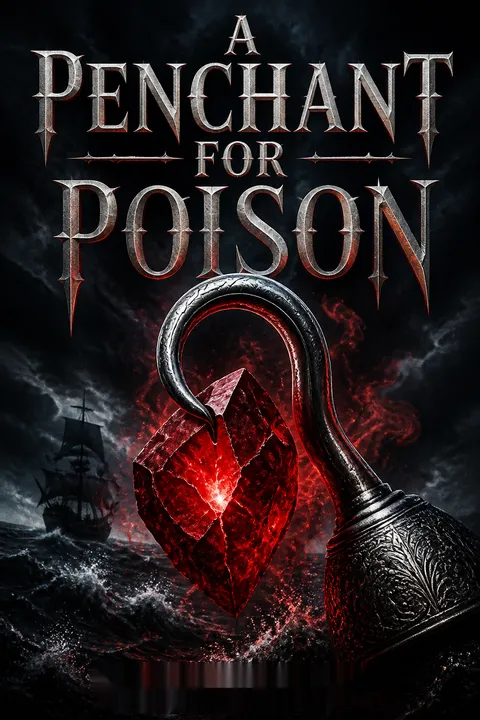
With Blackbeard's body sprawled on the deck, James and Katherine face the finality of their actions. The act of disposing of Teach's corpse is both liberation and a grim ritual, marking the end of an era of abuse and manipulation. Katherine reveals the Heart of the Divine—a blood-red ruby, pulsing with mysterious power. The couple's bond is strained by secrets and the lingering trauma of their pasts. The ruby's presence is a promise and a threat, its power palpable to Katherine but inert to James. Their journey is now entwined with the fate of Neverland, and the specter of vengeance against Peter Pan looms ever larger, as they prepare to wield forces beyond their understanding.
The Heart of the Divine
The Heart of the Divine is more than a gemstone; it is a vortex of energy, a key to realms and destinies. Katherine feels its pull, while James is left in the dark, both literally and figuratively. Their search for answers leads them into the bowels of the ship, where the dead crew of the Jolly Roger sits in eternal vigil, surrounded by decoy rubies. The true ruby's power is elusive, its secrets locked away. The couple's dynamic is fraught with anxiety and hope, as they confront the limits of their knowledge and the weight of their ambitions. The stage is set for supernatural intervention, and the boundaries between life and death, magic and reality, begin to blur.
Ghost Crew Awakened
The ship's long-dead fae crew is resurrected by the ruby's magic, led by the refined Starkey. They pledge fealty to James, recognizing him as captain by right of the ruby. Yet, their return comes with a message from the Divine: the ruby's power is bound by rules—no altering destiny, no harm to innocents, and a balance of consequences. The crew's loyalty is conditional, and the cost of power is made explicit. The supernatural becomes mundane, as the boundaries of reality are redrawn. James steps into his role as captain, but the burden of leadership and the threat of cosmic retribution hang over every decision.
Rules of Power and Consequence
The Divine's rules are clear: the ruby cannot be used for selfish gain without dire consequences. Every act of power demands a sacrifice, and the stone itself may abandon its wielder. James is forced to confront the limits of his agency, even as he commands the resurrected crew. The narrative explores the tension between free will and fate, the allure of unchecked power, and the inevitability of loss. Katherine's anxiety grows, as her usefulness and place in James's heart are threatened by the mysteries she cannot solve. The couple's relationship is tested by the very forces they seek to control.
Neverland's Return and New Alliances
The Jolly Roger, powered by the ruby, is swept through a maelstrom and deposited on the shores of Neverland. The island is both familiar and changed—its magic dulled by time, its dangers undiminished. James and Katherine explore the landscape, seeking Pan and new purpose. They encounter old friends and new threats, including the enigmatic Princess Tiger Lily and the dangerous Viridianwood. The crew is expanded with the addition of Smee and a band of rogue Lost Boys, each carrying their own scars and vendettas. The quest for revenge becomes a communal cause, but the seeds of division and madness are sown.
The Lost Boys' Rebellion
In the heart of the Viridianwood, James and Katherine encounter Smee and his ragtag band of Lost Boys—survivors cast out by Pan. The boys' stories are a litany of abandonment and violence, echoing James's own trauma. An uneasy alliance is forged, but trust is fragile. The darkness of Neverland is mirrored in the hearts of its inhabitants, and the line between victim and villain blurs. The camp becomes a crucible for old wounds and new betrayals, culminating in a violent confrontation that tests James's resolve and Katherine's faith in him.
Shadows of the Viridianwood
The Viridianwood is a place of legend and terror, home to witches, beasts, and the bones of the forgotten. James's obsession with Pan drives him deeper into the forest, risking everything for a chance at revenge. The narrative delves into the psychology of obsession, the allure of violence, and the corrosive effects of trauma. Katherine's role shifts from partner to caretaker, as she struggles to keep James from succumbing to his demons. The forest becomes a metaphor for the darkness within, and the journey through it is both literal and existential.
Sins of the Past
Neverland's magic erodes memories, threatening to erase the very reasons for James's vendetta. The past is both a source of strength and a curse, as forgotten traumas resurface and old sins demand reckoning. Katherine's visions reveal possible futures—some filled with hope, others with despair. The couple's relationship is haunted by the ghosts of their former selves, and the question of redemption becomes central. The narrative interrogates the possibility of change, the persistence of pain, and the cost of holding on to the past.
The Pixie's Cage
Katherine's care for the captive pixie, Meadow, becomes a mirror for her own captivity—first under Blackbeard, now under James's obsessions. Through magical connection, Katherine learns Meadow's tragic story and gains the ability to communicate with her. The pixie's grief and resilience offer a counterpoint to the human drama, and the theme of freedom—physical, emotional, and spiritual—emerges. Katherine's empathy is both her strength and her vulnerability, as she seeks to heal others while struggling to save herself.
Visions, Vengeance, and Poison
Katherine's visions grow more intense, revealing possible futures and the dangers of unchecked vengeance. She crafts a poison to kill Pan, but is haunted by doubts about the morality of killing a child, even one as monstrous as Pan. The couple's plans for revenge are complicated by their own fears and desires, and the narrative explores the tension between justice and cruelty. The power of prophecy is both a gift and a curse, offering glimpses of hope and despair in equal measure.
The Duel with Pan
The long-awaited confrontation with Peter Pan is both anticlimactic and devastating. Pan, eternally youthful and callous, barely remembers James, reducing a lifetime of pain to a childish game. The duel is brutal, and James is maimed—his hand severed and fed to the crocodile. The cost of revenge is made literal, and the myth of heroism is shattered. Katherine's intervention saves James's life, but the victory is hollow. The couple is left broken, their dreams in ruins, and the future uncertain.
Madness and Memory
James's injury and the loss of the ruby's power drive him to the brink of madness. The magic that once promised salvation now threatens to consume him. Katherine's attempts to heal him are met with suspicion and rage, as the couple's relationship unravels. The narrative explores the fragility of sanity, the dangers of obsession, and the impossibility of returning to innocence. The boundaries between love and possession, care and control, are blurred beyond recognition.
The Price of Power
The true cost of wielding the Heart of the Divine is revealed. Katherine, manipulated by forces beyond her control, becomes the vessel for the ruby's power, breaking the rules that once bound it. The couple's love is sacrificed on the altar of destiny, and the narrative interrogates the meaning of agency, fate, and the possibility of redemption. The power that once promised freedom now demands isolation and loss, and the characters are left to reckon with the consequences of their choices.
Tiger Lily's Bargain
In a desperate bid to preserve his memories, James bargains with Princess Tiger Lily, undergoing a painful ritual that binds his past to his flesh. The price is steep—physical pain, emotional torment, and the permanent loss of innocence. The narrative explores the allure and danger of memory, the impossibility of forgetting, and the ways in which the past shapes the present. Tiger Lily's role as both ally and adversary complicates the moral landscape, and the boundaries between friend and foe are ever-shifting.
The Breaking of Hearts
The final rupture between James and Katherine is brutal and irrevocable. Accusations, betrayals, and the revelation of new powers drive them apart. Katherine, now the bearer of the Heart's magic, leaves James for Blackbeard, her love for James drowned by the weight of destiny and sacrifice. James is left shattered, his heart and soul hollowed by loss. The narrative lingers on the pain of separation, the impossibility of reconciliation, and the ways in which love can both heal and destroy.
The Villain's Ascension
In the aftermath of loss, James sheds the last vestiges of his former self, embracing his role as Captain Hook. The death of Blackbeard, the mutilation of his own body, and the betrayal by Katherine coalesce into a new identity—one defined by vengeance, power, and the rejection of love. The narrative interrogates the nature of villainy, the allure of power, and the possibility of transformation. Hook's ascension is both a triumph and a tragedy, as he becomes the very monster he once sought to destroy.
Epilogue: Hook's Reflection
Years later, Hook reflects on the journey that brought him to this point. Love, loss, and vengeance have shaped him, but he has found a measure of peace in acceptance. Katherine was never his true destiny, but her presence was a necessary crucible. The narrative closes on a note of bittersweet wisdom: love is both a blessing and a teacher, and the darkness we endure is what allows us to recognize the light. Hook's story is not one of redemption, but of survival, transformation, and the enduring search for meaning in a world shaped by pain and possibility.
Analysis
A Penchant for Poison is a dark, erotic reimagining of the Peter Pan mythos, blending fantasy, horror, and psychological drama into a tale of love, vengeance, and transformation. At its core, the novel interrogates the nature of power—who wields it, at what cost, and to what end. The Heart of the Divine serves as both a literal and metaphorical engine, driving characters to confront the limits of agency, the inevitability of consequence, and the dangers of unchecked ambition. The story's emotional arc is defined by the interplay of love and violence, memory and forgetting, and the struggle to find meaning in suffering. James Hook's journey from wounded antihero to self-acknowledged villain is both a cautionary tale and a meditation on the ways in which trauma shapes identity. Katherine's arc, from victim to vessel of cosmic power, underscores the necessity of sacrifice and the impossibility of returning to innocence. The novel's modern resonance lies in its exploration of toxic relationships, the allure and danger of revenge, and the search for redemption in a world where happy endings are always out of reach. Ultimately, A Penchant for Poison is a story about the darkness we carry, the light we seek, and the price we pay for both.
Review Summary
A Penchant For Poison receives mixed reviews, with an average rating of 3.99 out of 5. Many readers praise the dark, twisted retelling of Captain Hook's origin story, appreciating the emotional depth and character development. The book is noted for its spicy content and unexpected twists. Some readers found the pacing inconsistent and the ending rushed. Overall, fans of the Neverland Chronicles series and dark retellings of Peter Pan are likely to enjoy this conclusion to Hook's backstory.
People Also Read


Characters
James Hook
Once a Lost Boy, now a pirate captain, James is a man forged by betrayal, loss, and the relentless pursuit of revenge against Peter Pan. His relationship with Katherine is both passionate and destructive, marked by jealousy, violence, and a desperate need for control. Psychologically, James is a study in trauma—his identity shaped by abandonment, abuse, and the corrosive effects of obsession. The loss of his hand and the transformation into Captain Hook symbolize his final break with innocence and hope. Over the course of the story, James oscillates between moments of vulnerability and monstrousness, ultimately embracing his role as a villain. His journey is one of self-destruction and reluctant self-acceptance, as he learns that love cannot save him from himself.
Katherine Hawkins
Katherine is a woman marked by resilience and pain. Once Blackbeard's captive, she becomes James's lover and partner in vengeance. Her intelligence and resourcefulness are matched by deep wounds—years of abuse, betrayal, and the burden of magical visions. Katherine's relationship with James is fraught with power struggles, mutual need, and the shadow of past traumas. Her empathy is both her strength and her undoing, as she seeks to heal others while neglecting her own needs. Ultimately, Katherine is forced to sacrifice her love for James to fulfill a greater destiny, becoming the vessel for the Heart of the Divine's power. Her arc is one of agency reclaimed and innocence lost, as she learns that love sometimes demands the ultimate sacrifice.
Edward Teach (Blackbeard)
Blackbeard is both a father figure and a tormentor to James and Katherine. His charisma masks a capacity for cruelty, manipulation, and violence. Teach's relationship with James is complex—part loyalty, part rivalry, part betrayal. With Katherine, he is both abuser and object of vengeance. His death at Katherine's hands is a moment of liberation, but his resurrection and final demise serve as reminders of the inescapability of the past. Psychologically, Teach represents the seductive allure of power without conscience, and his downfall is both a warning and a catalyst for the transformation of those he once controlled.
Peter Pan
Pan is the axis around which James's life revolves—a symbol of lost innocence, broken promises, and the dangers of unchecked power. His youthful appearance belies centuries of violence and manipulation. To the Lost Boys, he is both savior and executioner, casting out those who no longer serve his needs. Pan's relationship with James is one of mutual hatred and incomprehension, each unable to escape the other's shadow. Psychologically, Pan embodies the refusal to grow, the denial of consequence, and the destructive potential of eternal childhood. His confrontation with James is both a literal and symbolic reckoning, shattering illusions and exposing the emptiness at the heart of vengeance.
Smee
Smee is a rare source of stability and compassion in the chaos of Neverland. Driven by the loss of his son to Pan, he becomes James's ally and confidant. Smee's pragmatism and empathy offer a counterpoint to James's volatility, and his presence is a reminder of the possibility of kindness and loyalty in a world defined by betrayal. Psychologically, Smee is shaped by grief and the need for purpose, finding meaning in helping others survive the darkness. His role as bo'sun and later first mate cements his place as the moral center of the crew.
Meadow (the Pixie)
Meadow's captivity mirrors Katherine's own struggles with powerlessness and trauma. Her grief for her lost mate, Porthos, and her eventual friendship with Katherine highlight the themes of freedom, resilience, and the search for meaning in suffering. Meadow's magic is both a tool and a burden, and her eventual release is a moment of grace in a narrative otherwise defined by violence and loss. Psychologically, Meadow represents the possibility of healing and the importance of compassion, even in the darkest circumstances.
Starkey
Starkey is the leader of the ghost crew, brought back to life by the Heart of the Divine. His sophistication and loyalty are tempered by the knowledge of the rules that bind magic and destiny. Starkey serves as both advisor and messenger, delivering warnings from the Divine and helping to navigate the treacherous waters of power and consequence. Psychologically, Starkey is shaped by the burden of knowledge and the inevitability of fate, embodying the tension between agency and predestination.
Princess Tiger Lily
Tiger Lily is both ally and adversary, her youthful appearance masking centuries of wisdom and power. As ruler of Neverland in her father's absence, she navigates the complexities of fae politics and the dangers posed by Pan and James alike. Her bargain with James—offering a ritual to preserve his memories—underscores the costs of power and the dangers of meddling with fate. Psychologically, Tiger Lily is defined by duty, ambition, and the loneliness of leadership, her actions shaping the destinies of all who cross her path.
The Lost Boys
The Lost Boys are the forgotten children of Neverland, cast out by Pan when they outlive their usefulness. Their stories are a litany of abandonment, violence, and survival. As allies to James, they become both a source of strength and a reminder of the costs of vengeance. Psychologically, the Lost Boys represent the consequences of unchecked power, the fragility of innocence, and the resilience of those who refuse to be broken.
Amara (Priestess of the Divine)
Amara is a priestess at the Temple Mount, guardian of secrets and rituals that shape the fate of realms. Her encounter with Katherine is a turning point, revealing the true nature of the Heart of the Divine and the necessity of sacrifice. Psychologically, Amara is defined by duty, wisdom, and the burden of foresight, her actions setting in motion the final transformation of Katherine and the breaking of the old order.
Plot Devices
The Heart of the Divine
The Heart of the Divine is the central plot device—a ruby containing cosmic power, governed by strict rules. It enables travel between realms, resurrection, and the fulfillment of desires, but always at a cost. The stone's rules—no altering destiny, no harm to innocents, and the inevitability of balance—structure the narrative, forcing characters to confront the consequences of their actions. The Heart's power is both a blessing and a curse, offering hope and demanding sacrifice. Its eventual transfer to Katherine, breaking the rules that once bound it, is the catalyst for the story's climax and resolution.
Memory and Forgetting
Neverland's magic erases memories, threatening to strip characters of their reasons for vengeance and love. The preservation of memory becomes a central concern, leading to rituals, bargains, and the physical embodiment of the past in tattoos and scars. The tension between remembering and forgetting shapes character motivations and the emotional arc of the story, highlighting the importance of history in shaping identity.
Prophecy and Vision
Katherine's visions and the prophecies delivered by the Divine and their agents drive the narrative forward, offering glimpses of possible futures and the dangers of unchecked ambition. The power of foresight is double-edged, providing hope and sowing despair, and the struggle to interpret and act on these visions is a recurring theme.
Power and Consequence
Every act of power in the narrative is balanced by sacrifice—physical, emotional, or spiritual. The rules governing the Heart of the Divine, the bargains struck with Tiger Lily, and the rituals performed by Amara all reinforce the theme that nothing comes without a price. The narrative structure is cyclical, with actions in the past reverberating into the present and future, and the consequences of choices shaping the destinies of all involved.
Transformation and Identity
The story is structured around moments of transformation—James's evolution into Captain Hook, Katherine's ascension as the vessel of the Heart, the resurrection of the ghost crew, and the breaking of old alliances. These transformations are both literal and symbolic, marking the passage from innocence to experience, love to loss, and hero to villain. The narrative uses foreshadowing, parallelism, and symbolic imagery (the hook, the ruby, the tattoo) to reinforce the theme of identity forged in the crucible of suffering.
About the Author
Download PDF
Download EPUB
.epub digital book format is ideal for reading ebooks on phones, tablets, and e-readers.








































