
Plot Summary
Ghosts in the Orchard
June O'Donnell's life is shaped by the magic and mystery of her family's land in Five Fingers, Michigan. Her home is alive with stories, ghosts, and the weight of her father's death. The orchard, planted by her ancestors, is both a sanctuary and a place of supernatural happenings—cherry trees that heal, coywolves that steal shoes, and two ghosts: Feathers, a gentle pink spirit, and Nameless, a dark omen. June's world is defined by the stories her father told, the rules he left behind, and the unspoken grief that lingers in every corner of her home. The orchard is a thin place, where the boundary between worlds is fragile, and June is both comforted and haunted by the presence of those she's lost.
Carnival Night Collision
At the town carnival, June's carefully ordered world collides with Saul Angert, the son of her family's sworn enemies. Their accidental encounter in the House of Mirrors is electric, filled with banter and an inexplicable sense of recognition. Despite the generations-old feud between the O'Donnells and Angerts, June is drawn to Saul's warmth and wit. The night is charged with possibility and danger, as the old rules—never cross paths with an Angert—begin to unravel. The carnival becomes a liminal space, where the past and present blur, and June's curiosity about Saul threatens to upend everything she's been taught to fear.
Forbidden Encounters Begin
June and Saul's connection deepens as they continue to cross paths, each encounter more charged than the last. Their families' history looms over them, but the pull between them is undeniable. June's best friend, Hannah, encourages her to take risks, even as June grapples with guilt and loyalty to her father's memory. The boundaries between love and hate, past and present, begin to blur. As June and Saul navigate their growing feelings, the ghosts on June's land stir, and the sense that something momentous is about to happen intensifies. The forbidden nature of their relationship only heightens its intensity.
The House of Mirrors
The House of Mirrors becomes a symbol of June's internal maze—her grief, her longing, and her fear of breaking the rules. Inside, she and Saul confront not only each other but also the versions of themselves shaped by family stories and secrets. Their playful banter masks deeper wounds, and the mirrors reflect the possibility of a different future—one not dictated by the past. The experience leaves June shaken but exhilarated, her world irrevocably altered by the realization that the Angerts are not the monsters she was raised to believe. The mirrors foreshadow the unraveling of old narratives and the emergence of new ones.
Feathers and Nameless
The spirits on June's land—Feathers, the gentle guide, and Nameless, the harbinger of tragedy—embody the duality of her inheritance. Feathers offers comfort and connection to the past, while Nameless brings fear and the threat of loss. Their presence intensifies as June's relationship with Saul deepens, signaling that the boundaries between worlds are thinning. The ghosts are not just remnants of the past but active participants in June's journey, guiding and warning her. As June seeks answers, she realizes that understanding the ghosts is key to understanding herself, her family, and the curse that binds the O'Donnells and Angerts.
The O'Donnell-Angert Feud
The feud between the O'Donnells and Angerts is rooted in old wounds, betrayals, and the stories each family tells about the other. June learns that the truth is more complicated than she was led to believe—each side has its own version of the past, and both are shaped by grief and pride. The feud is not just a backdrop but a living force, shaping the destinies of both families. As June and Saul dig deeper, they uncover secrets, half-truths, and the realization that the curse may be less about fate and more about the choices people make when they're hurt. The possibility of breaking the cycle emerges, but only if they're willing to confront the darkest parts of their history.
Cherries, Coywolves, and Magic
The O'Donnell land is alive with small miracles and strange occurrences—cherries that heal, coywolves that act as guardians, and hallways that rearrange themselves. These magical elements are both a blessing and a burden, offering hope and reminding June of all she's lost. The land's magic is tied to the family's pain, and the thin place it occupies makes it a crossroads for memory, grief, and possibility. June's relationship with the land is intimate and fraught, as she tries to honor her father's legacy while forging her own path. The magic is a metaphor for the ways families carry both wounds and wonders across generations.
Memories in the Whites
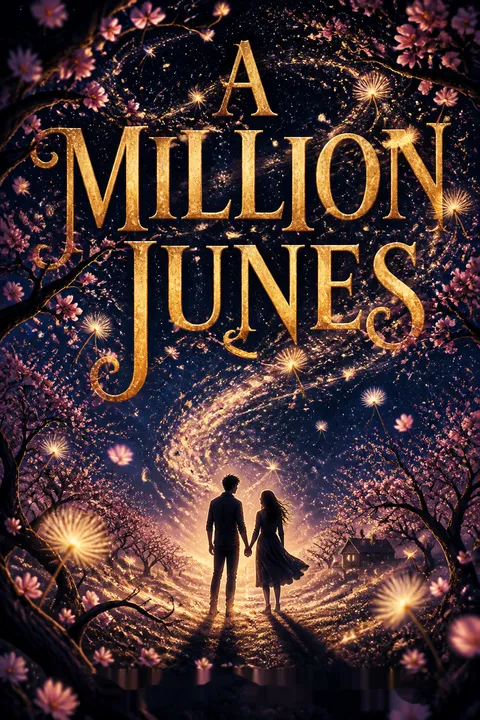
The mysterious Whites—floating, dandelion-like puffs—become portals to the past, allowing June (and eventually Saul) to relive moments from their families' histories. These memories are vivid, immersive, and often painful, revealing truths that have been hidden or distorted. Through the Whites, June sees her father alive again, witnesses the origins of the feud, and uncovers the love and violence that shaped her family. The memories are both a gift and a curse, forcing June to confront the reality of loss and the possibility of healing. The Whites blur the line between memory and haunting, showing that the past is never truly gone.
The Curse Revealed
As June and Saul piece together the memories, they discover that the curse binding their families is not supernatural fate but the result of unresolved grief, shame, and the refusal to forgive. The ghosts—Feathers and Nameless—are revealed to be Issa O'Donnell and Abe Angert, star-crossed lovers whose tragic end set the cycle in motion. The curse is perpetuated by the families' inability to let go of pain and hatred, each generation inheriting the wounds of the last. Breaking the curse will require more than love; it will demand honesty, courage, and the willingness to release the past.
Love and Loss Intertwined
June and Saul's love story is inseparable from their grief—their connection is forged in the crucible of loss, longing, and the hope for something better. Their relationship becomes a catalyst for change, challenging the narratives that have kept their families apart. As they fall in love, they also learn to mourn honestly, to honor the dead without being trapped by them. The intertwining of love and loss is both beautiful and painful, teaching June that to love deeply is to risk heartbreak, but also to be transformed by it. Their love becomes an act of defiance against the curse and a promise of a new future.
The Thin Place Opens
The boundaries between worlds dissolve as June and Saul are drawn into the thin place—a liminal realm where the living and the dead, past and present, coexist. Here, they confront the full weight of their families' histories, the ghosts that haunt them, and the possibility of redemption. The thin place is both a test and a gift, offering the chance to see the truth, to say goodbye, and to choose what to carry forward. In this space, the rules of the ordinary world no longer apply, and June and Saul must decide whether to hold on or let go, to be defined by the past or to create something new.
Drowning in the Past
The journey through the thin place is perilous—June and Saul are nearly lost to the memories and the pain that have shaped them. They relive the deaths of loved ones, the violence that began the curse, and the moments of joy that make life worth living. The experience is both harrowing and cathartic, forcing them to face the truth about themselves, their families, and the nature of forgiveness. Drowning in the past becomes a metaphor for the danger of being consumed by grief, but also for the possibility of emerging cleansed and renewed.
The Truth of Issa
Issa O'Donnell's story comes into focus—a girl who loved and was loved by Abe Angert, whose death at the falls shattered both families. The tragedy was not the result of fate but of human choices—anger, fear, and the inability to forgive. Issa's ghost, Feathers, has lingered to guide June, while Abe, transformed into Nameless, has been trapped by shame and pain. The revelation is both devastating and liberating, showing that the curse can be broken not by magic but by understanding, compassion, and the willingness to let go.
Breaking the Cycle
June and Saul, washed clean in the waters of the thin place, choose to forgive—not just each other, but the generations that came before. They let go of the need for vengeance, the weight of inherited pain, and the stories that have kept them trapped. The curse is broken not by a single act but by a series of choices—to love, to mourn, to remember, and to move forward. Issa and Abe's spirits are finally freed, and the thin place becomes a site of healing rather than haunting. The cycle of grief is transformed into a cycle of renewal.
Washed Clean Together
June and Saul return to the world changed—no longer defined by the past, but shaped by the love and loss they have experienced. Their families, too, begin to heal, as old wounds are acknowledged and new connections are forged. The land itself seems to breathe easier, the magic no longer a burden but a blessing. June learns that to be alive is to be both haunted and hopeful, to carry the dead with her but not be consumed by them. She and Saul choose each other, not in defiance of the past, but as a testament to the possibility of something better.
Letters from the Dead
June discovers a letter from her father, hidden in the crook of the ancient tree, offering the wisdom and love she has been seeking. The letter is not a solution to all her problems, but a reminder that the most important thing is to love well, to cherish the moments she is given, and to forgive herself and others. The dead are not truly gone as long as their stories are remembered, and June's inheritance is not just pain, but the capacity for joy, wonder, and connection. The letter becomes a touchstone for her new life.
Choosing to Live
June and Saul, having faced the worst the past can offer, choose to live fully in the present. They honor their families, their losses, and their love, but refuse to be defined by them. The future is uncertain, but it is theirs to shape. June learns that to live is to risk, to love is to grieve, and to remember is to be transformed. The story ends not with a promise of happily ever after, but with the commitment to keep choosing life, love, and hope, one day at a time.
A Million Junes
The final chapter is a celebration of the moments—big and small—that make up a life. June understands that she is both a product of her family's history and the author of her own story. The ghosts are gone, but their lessons remain. The orchard blooms, the cherries ripen, and the thin place is no longer a site of fear but of possibility. June's father's words echo in her heart: to love well is enough, and every moment is a miracle. In the end, June is not just a name, but a promise—a million Junes, a million chances to begin again.
Analysis
A Million Junes is a luminous meditation on grief, love, and the stories that shape us. Emily Henry weaves magical realism with generational trauma, using the thin place as both a literal and metaphorical space where the past and present collide. The novel interrogates the ways families pass down both wounds and wonders, and how the refusal to forgive can become a curse as real as any ghost. At its heart, the story is about the transformative power of love—not just romantic love, but the love between parents and children, friends, and even the self. June's journey is one of learning to honor the past without being trapped by it, to forgive both others and herself, and to choose life in the face of loss. The novel suggests that healing is possible, not through forgetting, but through remembering honestly, loving fiercely, and letting go when the time comes. In a world haunted by both magic and pain, A Million Junes offers the hope that every moment—no matter how fleeting—can be a miracle, and that to love well is enough.
Review Summary
A Million Junes by Emily Henry receives mixed reviews averaging 3.8/5 stars. Readers praise the beautiful, poetic writing and compelling portrayal of grief, with many loving the magical realism elements, Romeo and Juliet-inspired forbidden romance, and strong character relationships. The banter between June and Saul earns particular acclaim, as does June's friendship with Hannah. However, some readers found the plot confusing, especially in the second half, with magical elements losing grounding in reality. Several note pacing issues and underdeveloped aspects. Overall, fans appreciate Henry's talent for grief exploration and atmospheric storytelling, though expectations varied based on familiarity with her later adult romance novels.
People Also Read










Characters
June O'Donnell
June is the heart of the story—a girl shaped by grief, magic, and the weight of her family's legacy. She is introspective, stubborn, and deeply loyal, torn between honoring her father's memory and forging her own path. June's relationship with the land is intimate and mystical, her connection to the ghosts both a comfort and a burden. Her journey is one of self-discovery, as she learns to navigate love, loss, and the possibility of forgiveness. June's greatest strength is her capacity to feel deeply—to mourn, to hope, and to love, even when it hurts. Her development is marked by her willingness to confront the past, to question the stories she's been told, and to choose life in the face of overwhelming sorrow.
Saul Angert
Saul is June's counterpart—a boy burdened by his family's pain, his sister's death, and the expectations of others. He is intelligent, creative, and quietly passionate, with a dry sense of humor that masks his vulnerability. Saul's relationship with June is transformative, offering him a chance to heal and to imagine a future beyond grief. He is haunted by the curse, by the loss of his sister Bekah, and by the fear that he will never be enough. Saul's development is a journey from shame and self-doubt to acceptance and hope, as he learns to forgive himself, to love deeply, and to believe in the possibility of happiness.
Jack O'Donnell III (June's Father)
Jack is both a presence and an absence—a father whose stories and rules shape June's world long after his death. He is charismatic, magical, and deeply wounded, carrying the scars of his own upbringing and the weight of the family curse. Jack's love for June is fierce and unconditional, but his inability to escape his past leads to both wonder and pain. Through the memories and letters he leaves behind, Jack becomes a guide for June, teaching her that to love well is enough, and that forgiveness is possible. His development is posthumous, as June learns to see him not as a myth, but as a man—imperfect, but deeply good.
Feathers (Issa O'Donnell)
Feathers is the pink ghost who haunts June's land, later revealed to be Issa O'Donnell, the original victim of the family tragedy. She is a symbol of love, forgiveness, and the possibility of healing. Feathers guides June through memories, offering comfort and wisdom, and ultimately helps her break the cycle of pain. Issa's story is one of love lost and found, of the enduring power of connection, and of the choice to let go. Her presence is both a reminder of what was lost and a beacon of hope for what can be reclaimed.
Nameless (Abe Angert)
Nameless is the dark ghost, the embodiment of the curse that haunts both families. Once Abe Angert, Issa's lover, he is transformed by grief, guilt, and the violence that ended their love. Nameless is both a warning and a victim, a reminder of what happens when pain is left unresolved. His presence brings fear and tragedy, but his story is ultimately one of longing for forgiveness and release. Abe's journey is a cautionary tale about the dangers of holding on to shame, and the possibility of redemption through letting go.
Hannah Kuiper
Hannah is June's best friend, a grounding force in the midst of chaos. She is practical, optimistic, and fiercely supportive, encouraging June to take risks and to believe in the possibility of happiness. Hannah's own journey is one of self-discovery, as she navigates her feelings for Nate and her dreams for the future. Her friendship with June is a testament to the power of chosen family, and her presence offers both comic relief and emotional depth. Hannah's development is marked by her willingness to grow, to forgive, and to love unconditionally.
Eli Angert
Eli is Saul's father, a once-great writer now diminished by grief and illness. He is both a source of pain and a figure of sympathy, struggling to hold on to his memories and his family. Eli's relationship with Saul is fraught, shaped by loss and the weight of the past. His decline is a reminder of the fragility of life and the importance of forgiveness. Eli's development is a slow unraveling, but also a quiet redemption, as he learns to accept help and to let go of old wounds.
Bekah Angert
Bekah is Saul's twin, a vibrant and brilliant presence whose death leaves a void in her family. She is remembered through memories, photographs, and the pain of those who loved her. Bekah's story is one of courage, humor, and the enduring impact of loss. Her absence shapes Saul's journey, driving him to seek meaning and connection. Bekah's legacy is one of love, laughter, and the reminder that even those who are gone continue to shape the lives of the living.
Léa O'Donnell (June's Mother)
Léa is June's mother, a woman who has endured loss and found a way to keep living. She is practical, loving, and sometimes mysterious, carrying her own dreams and regrets. Léa's relationship with June is complex, marked by both closeness and misunderstanding. She is a model of survival, showing June that it is possible to love again, to build a new life, and to honor the past without being trapped by it. Léa's development is a testament to the power of endurance, forgiveness, and the quiet work of healing.
Todd Kemper (Toddy)
Toddy is Léa's second husband and June's stepfather, a gentle and reliable presence in the O'Donnell household. He is supportive, kind, and unthreatened by the memory of Jack, offering June a different model of fatherhood. Toddy's love is quiet but unwavering, and his willingness to embrace June's history is a source of comfort. His development is subtle, marked by his ability to hold space for both grief and joy, and to help June see that family can be chosen as well as inherited.
Plot Devices
The Thin Place and Magical Realism
The thin place is the central plot device—a magical, liminal realm where the boundaries between the living and the dead, memory and reality, are porous. It allows June and Saul to relive the past, confront their families' secrets, and ultimately break the cycle of pain. The magical realism of the orchard, the ghosts, and the Whites serves as both metaphor and mechanism, illustrating the ways grief, love, and history shape identity. The thin place is a narrative structure that enables the story to move fluidly between timelines, perspectives, and emotional states, creating a tapestry of interconnected moments.
Generational Memory and Inherited Trauma
The story uses generational memory—both literal (through the Whites) and metaphorical (through family stories and curses)—to explore how trauma, grief, and love are passed down. The curse is not just a supernatural affliction but a pattern of behavior, a refusal to forgive, and a legacy of pain. The device of inherited memory allows the narrative to examine the ways families shape and are shaped by their histories, and how healing requires both acknowledgment and release.
Star-Crossed Lovers and Family Feud
The romance between June and Saul is structured as a classic star-crossed lovers' tale, echoing the original tragedy of Issa and Abe. The family feud is both obstacle and catalyst, forcing the characters to question the stories they've inherited and to choose whether to perpetuate or break the cycle. The device of forbidden love is used not just for drama, but to interrogate the nature of loyalty, forgiveness, and the possibility of change.
Foreshadowing and Symbolism
The story is rich with foreshadowing—ghostly omens, repeated phrases, and mirrored events hint at the underlying connections between past and present. Symbols like cherries, coywolves, and the House of Mirrors serve as touchstones for the characters' journeys, representing both the magic and the burdens of inheritance. The use of symbolism deepens the emotional resonance of the narrative, inviting readers to look beyond the surface for meaning.
Letters and Unfinished Stories
Letters from the dead, unfinished stories, and the act of writing itself are central devices. June's journey is as much about reclaiming her father's stories as it is about living her own. The narrative structure is recursive, with stories nested within stories, memories within memories, and the act of storytelling becomes both a way to mourn and a way to move forward. The final letter from Jack is both a resolution and an invitation—to keep telling stories, to keep loving, and to keep living.
About the Author
Other books by Emily Henry






Download PDF
Download EPUB
.epub digital book format is ideal for reading ebooks on phones, tablets, and e-readers.








































