
Plot Summary
Birth in Blood and Shadows
In a world ruled by self-proclaimed Gods, Ariadne, Goddess of Darkness, gives birth to a daughter in a blood-soaked, clandestine labor. Caedmon, God of Prophecy and Ariadne's closest friend, helps deliver the child, torn by his love for Ariadne and the knowledge that this birth will change everything. The child, Kiera, is spirited away for her own safety, hidden from the God King Tryphone, whose hunger for power threatens all. This act of love and betrayal sets the stage for a life defined by abandonment, secrecy, and the shadow of destiny. The pain of separation and the hope for reunion echo through the years, shaping Kiera's fate and the world's.
The God King's Mind
Now grown, Kiera is haunted by nightmares and visions, her mind invaded by Tryphone, the God King, who seeks to unravel her secrets. She resists his mental assault, building psychic barriers, but is forced to witness the horrors of the Gods' taboo: the draining of Mortal Gods' powers to sustain their own immortality. The trauma of these visions leaves her shaken, isolated, and desperate for control. Her companions—Ruen, Theos, and Kalix—struggle to protect her, but the threat of the Gods is ever-present. The emotional toll of this psychic warfare deepens Kiera's resolve to resist, even as it exposes the monstrous truth at the heart of the Gods' rule.
Fractured Alliances
In the aftermath of Tryphone's attack, Kiera and her allies—Ruen, Theos, Kalix, and Maeryn—grapple with grief, suspicion, and the looming threat of the Gods' next move. Old wounds and rivalries flare, especially between the fiercely possessive Kalix and the others. The group debates escape, rebellion, and the meaning of loyalty, all while hiding from the Gods' watchful eyes. The fragile bonds between them are tested by jealousy, trauma, and the knowledge that betrayal could come from within. Yet, in their shared vulnerability, a new sense of family begins to form, forged in the crucible of fear and hope.
The Gathering Storm
The God Council announces a grand convergence: all Mortal Gods are to be transported to Ortus, the original Academy, for the Spring Equinox. Under the guise of celebration, the Gods gather their children for a hidden purpose. The journey is marked by magical transportation through the Veil Between, a liminal space of fog and shadow that disorients and isolates. Upon arrival, Kiera and her companions sense the true nature of Ortus: not a school, but a prison. The island's oppressive atmosphere, the dead-eyed Terra, and the presence of ancient, powerful Mortal Gods hint at a deeper, more sinister plan.
Ortus: Island of Brimstone
Life at Ortus is bleak and unsettling. The Mortal Gods are stripped of comfort, forced into decaying rooms, and watched by enigmatic caretakers, Zalika and Nubo, whose true natures are shrouded in mystery. The Academy is revealed as a place of rot and neglect, its opulence a thin veneer over centuries of suffering. Kiera's powers are dampened, her connection to her spiders and the shadows weakened by the brimstone that permeates the island. The sense of being caged, observed, and manipulated grows, as does the realization that escape may be impossible. The emotional weight of isolation and dread presses on everyone.
Prisoners and Prophecies
Guided by her spider familiar, Kiera discovers a hidden prison beneath Ortus, where she finds Caedmon and Ariadne, both shackled and weakened by brimstone. The reunion is fraught with pain, regret, and unresolved anger. Ariadne reveals herself as Kiera's mother, confessing the impossible choices she made to protect her. The truth of Kiera's lineage—descended from both darkness and prophecy—emerges, along with the knowledge that only Kiera can change the fate of the world. The emotional wounds of abandonment and betrayal are laid bare, but so too is the hope of redemption and reunion.
The Cleansing Rite
The Gods initiate the first of three rites: the Cleansing. Under the influence of enchanted wine, the Mortal Gods are stripped of their inhibitions and memories, descending into a night of orgiastic abandon and violence. When they awaken, they are weakened, their powers diminished, and their memories fragmented. The true purpose of the rite is revealed: the Gods are siphoning their children's magic to sustain themselves. The trauma of lost time, the violation of body and mind, and the horror of complicity in their own subjugation deepen the resolve of Kiera and her allies to resist, even as they struggle to recover what was stolen.
The Hunt's True Prey
The second rite, the Hunt, is a brutal contest in the illusory Hinterlands. Mortal Gods are transformed into animals and hunted by their peers, unaware that their prey are their own friends. Kiera, aided by her unique powers, uncovers the truth and desperately tries to save Maeryn, who has been turned into a rabbit. The revelation that the Gods have forced their children to slaughter each other shatters any remaining illusions of benevolence. The survivors are left traumatized, guilt-ridden, and more determined than ever to break the cycle of violence and manipulation.
The Feast of Betrayal
The third and final rite, the Feast, is a grotesque banquet where the Mortal Gods are forced to consume the flesh of those they killed in the Hunt. The Gods, led by Tryphone, reveal their ultimate plan: to drain the last vestiges of power from their children and achieve true immortality. Betrayals come to light—Ariadne's apparent treachery, the complicity of Zalika and Nubo, and the Gods' willingness to sacrifice anyone for their own gain. In the chaos, Kiera is gravely wounded, and the boundaries between worlds begin to tear.
Sundered Worlds
On the brink of death, Kiera's latent power—sunder, inherited from her father—awakens. With the help of Ariadne, Caedmon, and her allies, she tears open a rift between worlds, summoning the true home of the Atlantean Gods. The Gods are dragged back to their origin, banished from Anatol forever. The cost is immense: Kiera must say goodbye to her mother and the last of the old world. The survivors are left to pick up the pieces, free but forever changed by the trauma and sacrifice required to win their freedom.
The Last Prophecy
In the aftermath, Kiera and the Darkhavens struggle to rebuild. The book of prophecy, Caedmon's last gift, becomes a crutch for Kiera, who fears the uncertainty of a future without guidance. Her companions urge her to let go, to trust in herself and the new world they are creating. The act of releasing the book—of saying goodbye to the past and the dead—marks a turning point. The survivors must learn to live with their scars, to forgive themselves and each other, and to embrace the possibility of hope.
The End and the Beginning
One year later, the world is changed. The Mortal Gods are free to choose their own destinies, but the wounds of the past remain. Kiera, Ruen, Theos, and Kalix have become leaders, teachers, and protectors, guiding the next generation through the challenges of freedom. The ghosts of the dead linger, a reminder of the cost of victory. Yet, in the bonds of chosen family, the promise of love, and the courage to face the unknown, there is the seed of something new. The end of the Gods is not the end of the story, but the beginning of a world where survival, hope, and healing are possible.
Analysis
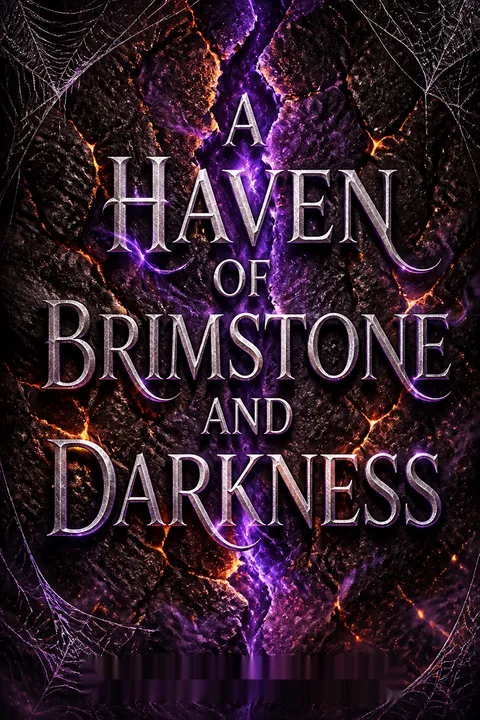
A Haven of Brimstone and Darkness is a dark fantasy that interrogates the nature of power, trauma, and survival in a world built on cycles of abuse and betrayal. Through the lens of Kiera's journey—from abandoned child to reluctant savior—the novel explores the psychological scars left by parental neglect, the seductive allure of power, and the cost of freedom. The Gods, revealed as flawed, addicted, and ultimately mortal, serve as both literal and symbolic oppressors, their rituals of control mirroring real-world systems of exploitation. The narrative's use of ritualized violence, mind invasion, and forced complicity dramatizes the struggle for agency in the face of overwhelming odds. Yet, the story is not without hope: in the forging of chosen family, the willingness to confront the past, and the courage to let go of old certainties, the survivors carve out the possibility of a new world. The novel's ultimate lesson is that healing is possible, but only through the painful work of truth-telling, forgiveness, and the acceptance of responsibility for both self and others. In the end, the banishment of the Gods is not a simple victory, but the beginning of a long, uncertain journey toward wholeness—a journey that, like Kiera's, is marked by both scars and the stubborn persistence of hope.
People Also Read
Characters
Kiera
Kiera is the daughter of Ariadne and Henric, born of both darkness and prophecy, and raised in secrecy to protect her from the God King's predations. Abandoned by her mother and orphaned by her father's death, Kiera is shaped by trauma, loss, and the brutal training of the Underworld. Her powers—commanding shadows, speaking to spiders, and the rare ability to sunder worlds—make her both a target and a weapon. Psychologically, Kiera is marked by abandonment, guilt, and a desperate need for control, but also by fierce loyalty and a capacity for love that surprises even herself. Her journey is one of reclaiming agency, forging family from brokenness, and accepting the burden of leadership.
Ruen
Ruen, one of the Darkhaven brothers, is a Mortal God marked by scars—both physical and emotional. He is fiercely loyal, intelligent, and haunted by the violence of his past and the weight of his family's legacy. Ruen's relationship with Kiera is complex: he is both her protector and her equal, drawn to her strength and vulnerability. His rivalry with Kalix and Theos is tempered by brotherly love, but also by jealousy and fear of loss. Ruen's psychological arc is one of learning to forgive himself, to accept love, and to fight not just for survival, but for a future worth living.
Theos
Theos, the golden Darkhaven, is the most outwardly compassionate of the brothers. He balances the group's violence with empathy and humor, often acting as a mediator. Theos is deeply affected by the suffering of others, especially Kiera, and struggles with feelings of inadequacy and the fear of being left behind. His development is tied to his willingness to fight for those he loves, to accept his own darkness, and to find meaning in a world without Gods.
Kalix
Kalix is the most dangerous and unpredictable of the Darkhavens, viewing people as possessions and caring little for morality. His love for Kiera and his brothers is possessive, violent, and absolute. Kalix's psychological complexity lies in his struggle to understand love, to channel his monstrous instincts into protection rather than destruction, and to accept vulnerability. His relationship with Kiera is both a source of strength and a test of his capacity for change.
Ariadne
Ariadne, Kiera's mother, is a Goddess of Darkness who sacrifices everything to protect her child, only to become a prisoner of her own choices. Her love is fierce but flawed, marked by abandonment and regret. Ariadne's arc is one of seeking redemption, accepting the consequences of her actions, and ultimately empowering Kiera to do what she could not. Her relationship with Kiera is fraught with pain, but also with the hope of forgiveness and reunion.
Caedmon
Caedmon, God of Prophecy, is both a guide and a source of pain for Kiera and Ariadne. His knowledge of the future is a curse, forcing him to make impossible choices and to manipulate those he loves for the greater good. Caedmon's psychological burden is immense: he is driven by guilt, love, and the need to atone for his betrayals. His final act—helping Kiera banish the Gods—redeems him, but at the cost of his own place in the world.
Tryphone
Tryphone is the architect of the world's suffering, a God King whose hunger for power and immortality drives him to monstrous acts. He is both charismatic and terrifying, capable of love but ruled by addiction to the magic of his children. Tryphone's psychological profile is that of a narcissist, unable to see others as real, and ultimately destroyed by his own need to consume and control. His downfall is both a personal tragedy and a necessary end.
Maeryn
Maeryn is a Mortal God whose gentle nature and healing powers make her both a target and a symbol of what is lost in the Gods' war. Her transformation into prey during the Hunt, and the trauma she endures, reflect the cost of innocence in a world ruled by violence. Maeryn's arc is one of survival, adaptation, and the search for safety and belonging.
Zalika and Nubo
Zalika and Nubo are older Mortal Gods who serve as caretakers and enforcers at Ortus. Their ambition to become true Gods leads them to betray their own kind, aligning with Tryphone and the Council. Psychologically, they are driven by fear, envy, and the desire for power, but are ultimately destroyed by the very system they serve. Their downfall is a cautionary tale about complicity and the cost of betrayal.
Ophelia
Ophelia, head of the Underworld, is Kiera's former trainer and a figure of both cruelty and care. She embodies the harsh realities of survival, teaching Kiera to be ruthless but also to value loyalty. Ophelia's arc is one of reluctant acceptance of change, the loss of her old world, and the hope of building something new.
Plot Devices
Three Rites as Ritualized Power Theft
The narrative is structured around three ceremonial rites—Cleansing, Hunt, and Feast—each designed to strip the Mortal Gods of their power and agency. These rites serve as both literal and symbolic acts of violence, masking the Gods' predation as tradition and celebration. The gradual escalation of horror—from memory theft to forced cannibalism—mirrors the psychological breakdown of the protagonists and the unraveling of the Gods' authority. Foreshadowing is woven through the rituals, with each stage revealing more of the true stakes and the necessity of rebellion.
Dual Inheritance and Hidden Power
The revelation of Kiera's dual inheritance—from both darkness and prophecy, from both mother and father—serves as the central plot device. Her unique powers, especially the ability to sunder worlds, are foreshadowed through dreams, visions, and the reactions of other characters. The narrative structure uses her journey of self-discovery as both a personal and cosmic arc, culminating in her ability to banish the Gods and reshape reality.
The Prison and the Book of Prophecy
The hidden prison beneath Ortus and Caedmon's prophetic book are devices that provide both literal and metaphorical keys to the plot. The prison represents the weight of the past, the cost of secrets, and the possibility of redemption. The book, meanwhile, is a source of guidance but also a crutch, symbolizing the danger of relying on the past to dictate the future. The act of letting go of the book marks the transition from survival to true agency.
Psychological Warfare and Mind Invasion
The repeated invasions of Kiera's mind by Tryphone and others serve as both plot and thematic devices, dramatizing the struggle for autonomy, the trauma of abuse, and the resilience required to resist. The psychic battles mirror the physical and political conflicts, reinforcing the idea that true freedom requires both inner and outer victory.
Chosen Family and Cycles of Betrayal
The formation of a chosen family among Kiera, the Darkhavens, and their allies is a recurring device, set against the backdrop of betrayal by blood relatives and authority figures. The narrative structure uses cycles of abandonment, reconciliation, and sacrifice to explore the possibility of healing and the creation of new forms of kinship.
Download PDF
Download EPUB
.epub digital book format is ideal for reading ebooks on phones, tablets, and e-readers.








































