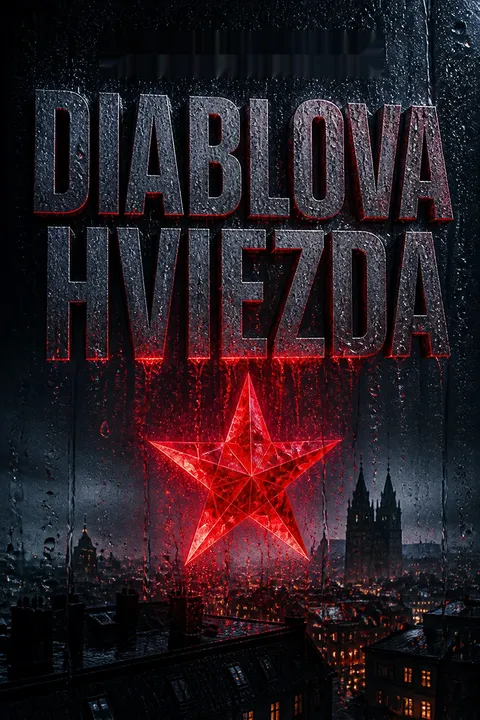

ملخص الحبكة
المياه تجد مجراها
في صيف أوسلو القائظ، تُكتشف جريمة قتل بمحض الصدفة؛ إذ يؤدي تسرب مياه في مبنى سكني قديم إلى العثور على جثة الشابة كاميلا لوين مقتولة بالرصاص في حوض الاستحمام الخاص بها، وقد بُتر إصبعها، ووُضعت نجمة ماسية حمراء مخبأة تحت جفنها. إن تاريخ المدينة، شأنه شأن الماء، يجد دائمًا الشقوق في أساساتها ليتسلل منها، وكذلك تفعل أسرارها. وتحت وطأة نقص أفراد الشرطة والإرهاق، يجد الجهاز نفسه مضطرًا للاستعانة بـ هاري هول، المحقق العبقري والمنكسر في آن واحد، ليعمل جنبًا إلى جنب مع غريمه اللدود توم والر. تبدو القضية غريبة منذ البداية: تشويه جثة الضحية، والماس الطقسي، والشعور بأن هناك شيئًا أكثر قتامة يلوح في الأفق. تشتد وطأة حرارة المدينة، وتبدأ أولى قطرات الفوضى في الهطول.
محققون منكسرون، وثقة مفقودة
يعيش هاري هول على الحافة؛ تطارده ذكرى مقتل صديقته إيلين، ويستبد به الهوس بفكرة أن والر قاتل فاسد، بينما يغرق في إدمان الكحول والحزن على حبه الضائع راشيل. ومع إجباره على العمل مع والر، يهدد شعور هاري بالارتياب والألم بانهياره تمامًا. تقابل قيادة الشرطة اتهامات هاري الجامحة بالتشكيك، وتصبح مسيرته المهنية على شفا الهاوية. ومع ذلك، كلما تعمق التحقيق في مقتل كاميلا، بدأت حدس هاري — الذي شحذته الصدمات — يستشعر نمطًا معينًا. إن تيارات العنف والخيانة الخفية في المدينة تعكس الانقسامات داخل جهاز الشرطة نفسه، وتصبح معركة هاري مع شياطينه الداخلية لا تقل ضراوة عن معركته مع القاتل الذي يتربص بأوسلو.
ظهور نجمة الشيطان
تختفي امرأة أخرى، وهي ليسبث بارلي، دون أثر. وسرعان ما يصل إصبعها المبتور عبر البريد، مزينًا بخاتم مرصع بنجمة ماسية حمراء خماسية الرؤوس. تدرك الشرطة أنها تواجه قاتلًا متسلسلاً يترك وراءه بصمة مرعبة: أيدٍ مشوهة ومجوهرات طقسية. يتعثر التحقيق بسبب نقص الأدلة، لكن حدس هاري ينجذب نحو رمزية النجمة خماسية الرؤوس والتضليل — نجمة الشيطان، رمز الشر والطقوس. تبدو أساليب القاتل دقيقة وشبه مسرحية، ويزداد ذعر المدينة مع إطلاق الصحافة عليه لقب "قاتل البريد السريع". ويتعاظم الشعور بأن هناك يدًا خفية تراقب الجميع، وتتلاعب بهم، وتتحداهم.
طقوس وماسات حمراء
تتضح طقوس القاتل أكثر فأكثر: يُعثر على كل ضحية وقد بُتر إصبع من يدها اليسرى، وتُركت نجمة ماسية حمراء كرمز. تتبع الشرطة مصدر الماس ليتضح أنه قادم من أصول مغموسة بالدماء في سيراليون، جرى تهريبها عبر أوروبا الشرقية، كما أن الأسلحة المستخدمة لا يمكن تتبعها بالطريقة نفسها. يبدأ هاري وبيات لون، خبيرة الأدلة الجنائية الموهوبة في التعرف على الوجوه، في ملاحظة هوس القاتل بالرقم خمسة — خمسة رؤوس، خمسة أيام بين الجرائم، الطوابق الخامسة. يتحول التحقيق إلى سباق مع الزمن، حيث يشير نمط القاتل إلى وقوع المزيد من الوفيات. ويتردد صدى تاريخ المدينة الحافل بالعنف والخرافات والخطايا الخفية في كل دليل.
تنكر ساعي البريد
يتحرك القاتل في أرجاء أوسلو متنكرًا في زي ساعي بريد على دراجة — مجهول الهوية، ومقنع، وقادر على الاقتراب من أي مبنى دون إثارة الشبهات. يتذكر الشهود ساعيًا يضع قماشًا أبيض على فمه، لكن المدينة تعج بسعاة البريد، وتظل هوية القاتل مراوغة. يدرك هاري عبقرية هذا التنكر: فالقاتل موجود في كل مكان ولا مكان في آن واحد، قادر على تقديم الموت بسهولة تقديم الطرود. يتوقف التحقيق، وتضطر الشرطة إلى نصب فخ، مستعينة بالمراقبة والقوات الخاصة لمحاولة القبض على القاتل في مسرح الجريمة المتوقع التالي. لكن القاتل يسبقهم دائمًا بخطوة، ويزداد الشعور بالتلاعب.
النمط الخماسي
ينجح هاري، وهو في حالة من الهذيان والأرق الشديد، في فك شفرة القاتل: تشكل مواقع الجرائم رؤوس نجمة خماسية على خريطة المدينة، كل منها في الطابق الخامس، ويفصل بين كل جريمة وأخرى خمسة أيام، وتحدث جميعها في تمام الساعة الخامسة. لا يختار القاتل ضحاياه، بل يختار المواقع — أشخاص عشوائيون يقعون في شباك مخطط طقسي. يأتي هذا الإدراك متأخرًا لإنقاذ الضحية التالية، لكنه يمنح الشرطة فرصة للتنبؤ بمكان ضربة القاتل القادمة. يتحول التحقيق إلى لعبة شطرنج يائسة، حيث يسابق هاري الزمن لتوقع تحركات القاتل، حتى في الوقت الذي تتداعى فيه حياته وعقله.
الأشباح التي نحملها
تشتد كوابيس هاري — إذ تطارده رؤى أخته المتوفاة، وصديقته المقتولة، وحبه الضائع. وتتحطم علاقته مع راشيل بسبب هوسه وإدمانه، وتهدد مسيرته المهنية بسبب تمارضه وإفراطه في الشرب. ومع ذلك، فإن انكسار هاري هو تحديدًا ما يتيح له رؤية ما لا يستطيع الآخرون رؤيته: الروابط بين طقوس القاتل، وتاريخ المدينة، والفساد المستتر داخل جهاز الشرطة. إن أشباح الماضي لا تخص هاري وحده — بل تنتمي إلى أوسلو نفسها، تلك المدينة المبنية على الأسرار والدماء.
سر النجمة الخماسية
بينما تفرض الشرطة حراسة مشددة على مسرح الجريمة المتوقع التالي، يتسلل القاتل من بينهم، تاركًا جثة أخرى ويدًا أخرى مشوهة. يدرك هاري أن النجمة الخماسية ليست مجرد نمط، بل هي تضليل — وهم مسرحي صُمم لتلفيق التهمة لشخص آخر. ينعطف التحقيق نحو الداخل، حيث يشتبه هاري في أن القاتل شخص يتمتع بفهم عميق للفنون المسرحية والوهم والتضليل. تتحول القضية إلى صراع عقول بين صانعي قصص: القاتل الذي يكتب روايته بالدم، وهاري الذي يتعين عليه فك رموز القصة الحقيقية المخفية تحت السطح.
نصب الفخ
تنصب الشرطة، في محاولة يائسة للقبض على القاتل، فخًا في الموقع الأخير المتوقع. وتُنشر القوات الخاصة وأجهزة المراقبة وكل الموارد المتاحة. لكن القاتل لا يظهر. وبدلاً من ذلك، تتراكم الأدلة ضد سفين سيفرتسين، وهو مهرب له صلات بماس الدماء والأسلحة غير القانونية. ومع ذلك، لا يبدو هاري مقتنعًا؛ إذ يشعر أن سيفرتسين يتعرض للمؤامرة، وأن القاتل الحقيقي لا يزال طليقًا. يتحول التحقيق إلى لعبة قط وفأر مميتة، يغامر فيها هاري بكل شيء لكشف الحقيقة.
اعترافات كاذبة، ودوافع حقيقية
تحت الضغط، يعترف سيفرتسين بالتهريب لكنه ينفي ارتكاب جريمة القتل. يدرك هاري، من خلال تجميع الأدلة الجنائية والتحليل النفسي، أن دافع القاتل الحقيقي ليس جنسيًا أو عشوائيًا، بل هو دافع شخصي — الانتقام، والغيرة، والرغبة في تدمير غريم له. ويتكشف أن القاتل هو فيلهلم بارلي، وهو منتج مسرحي كانت زوجته ليسبث على علاقة مع سيفرتسين. إن جرائم بارلي ليست سوى عرض مسرحي متقن، صُمم لتلفيق التهمة لـ سيفرتسين وتجسيد مأساة ملتوية. تبدأ فصول الفصل الأخير، ويتعين على هاري مواجهة بارلي في مواجهة حاسمة ومميتة.
العرض الأخير
في ذروة الأحداث وتحت المطر المنهمر، يواجه هاري بارلي في شقته، حيث جثة ليسبث مخبأة داخل سرير مائي — في مشهد يمثل ولادة جديدة مشوهة. يعترف بارلي في سيل من المونولوج المسرحي، موضحًا دوافعه وأساليبه، وهوسه بالانتقام والوهم. تقطع المواجهة أحداث عنف وانتحار، حيث يخرج بارلي موته كخاتمة نهائية لعرضه. تتكشف الحقيقة أخيرًا، ولكن بثمن باهظ — أرواح بريئة أُزهقت، ونفس هاري التي ندبتها الظلمة التي شهدها.
المطر والحساب
بينما يكسر المطر أخيرًا موجة الحر في أوسلو، تغتسل المدينة وتتطهر، لكن الندوب تظل غائرة. تكافح الشرطة والصحافة والجمهور لاستيعاب هذا الرعب. يُعرض على هاري، المنهك والمنكسر، العودة إلى عمله، لكنه يتردد — تطارده معرفة أن الشر لا يُقهر حقًا، بل يُخفى فقط. يُكشف الفساد داخل جهاز الشرطة، لكن الثمن يكون فادحًا. يحاول الناجون — راشيل، وأوليغ، وبيات — إعادة بناء حياتهم، لكن لا شيء سيعود كما كان أبدًا.
الأصفاد الأخيرة
في مواجهة أخيرة، يقف هاري وجهًا لوجه مع توم والر، المفتش الفاسد الذي طارده طوال القضية. مستعينًا بالذكاء والشجاعة، يفضح هاري جرائم والر ويقدمه للعدالة، ولكن ليس دون عنف وخسارة. تصبح الأصفاد التي تقيد هاري وأعداءه رموزًا للعدالة والروابط التي لا مفر منها للذنب والمسؤولية. في النهاية، يختار هاري الرحمة على الانتقام، رافضًا أن يتحول إلى الوحش الذي كان يطارده.
الرحمة وسوء التفسير
تُنقى الرواية الرسمية للأحداث، وتُغذى الصحافة برواية تحافظ على سمعة الشرطة. ويتعين على هاري، الذي عُرض عليه الخلاص والعودة إلى منصبه، أن يقرر ما إذا كان سيعود إلى الخدمة أم يبحث عن مسار جديد. الحقيقة، كما هو الحال دائمًا، أكثر تعقيدًا من القصة التي تُروى للجمهور. تمضي المدينة قدمًا، لكن أسرار الموتى المتمتمة تظل عالقة في الظلال، ويُترك هاري ليتأمل ثمن العدالة ومعنى الرحمة.
نهايات وبدايات جديدة
مع عودة أوسلو إلى طبيعتها، يجد هاري نفسه عند مفترق طرق. تبدو علاقته مع راشيل حذرة ولكنها مفعمة بالأمل، ويفكر في حياة جديدة — ربما كسائق سيارة أجرة، أو كمحقق، أو ربما كشيء آخر تمامًا. لقد غسل المطر المدينة، لكن الندوب بقيت. لقد غربت نجمة الشيطان، لكن ظلها لا يزال يخيم على الأرجاء. في النهاية، يختار هاري مواصلة المضي قدمًا، حاملاً أشباحه معه، باحثًا عن معنى في عالم لا يبتعد فيه الشر عن الحب أبدًا.
Analysis
تأمل في الشر والوهم والخلاصإن رواية "نجمة الشيطان" هي أكثر من مجرد رواية إثارة بوليسية؛ إنها تأمل في طبيعة الشر، وجاذبية الوهم، وإمكانية الخلاص. يستخدم نيسبو قواعد أدب الجريمة لاستكشاف أسئلة أعمق: كيف نميز الحقيقة عن الخداع عندما يُؤدى كلاهما بمهارة؟ ما هو ثمن الهوس، على الصعيدين الشخصي والمؤسسي؟ تعكس بنية الرواية — المتراكبة والدائرية والواعية بذاتها — موضوعاتها، داعية القارئ إلى التساؤل ليس فقط عن دوافع الشخصيات بل وأيضًا عن القصص التي نرويها لأنفسنا عن العدالة والحب والذنب. تمثل رحلة هاري هول رمزًا للصراع من أجل إيجاد معنى في عالم يبدو فيه الشر مبتذلاً ومبهرًا في آن واحد، وحيث يكون الخط الفاصل بين الصياد والطريدة رفيعًا إلى حد الخطورة. تشير الرواية في النهاية إلى أن الخلاص ممكن، ولكن فقط من خلال الاعتراف المؤلم بظلام المرء واختيار التصرف برحمة بدلاً من الانتقام. وفي عالم من الثقة المفقودة والواقع المتغير، فإن الرغبة في مواصلة البحث والمضي قدمًا هي ما يمنح الأمل.
ملخص المراجعات
نجم الشيطان هي رواية تشويق معقدة بطلها المحقق هاري هول، الذي يصارع إدمان الكحول والفساد في أثناء حله لقضية قاتل متسلسل. يشيد القراء بحبكة نيسبو المعقدة، وتطويره للشخصيات، وأجواء أوسلو المميزة التي تسيطر على العمل. وفي حين يرى البعض أن إيقاع الكتاب بطيء أو متشابك، يعتبره آخرون عملًا مثيرًا يحبس الأنفاس ولا يمكن تركه. وتواصل الرواية خطوطًا درامية من كتب سابقة، مستكشفةً صراعات هول الشخصية ومنافساته المهنية. يوصي معظم النقاد بهذه السلسلة، مؤكدين على أسلوب نيسبو الكتابي البارع وشخصية هاري هول الجذابة والمؤثرة.
قرأ الآخرون أيضًا
Characters
هاري هول
هاري هول هو بطل الرواية المعذب — محقق بارع في أوسلو تتداعى حياته. تطارده ذكرى مقتل صديقته إيلين وانهيار علاقته مع راشيل، ويستبد به إدمان الكحول والشعور بالذنب والهوس. يجعله حدسه وإصراره محققًا مهيب الجانب، لكن نزعاته التدميرية وتمارضه يبعدانه عن زملائه. يمثل التعقيد النفسي لـ هاري محورًا أساسيًا: فهو الصياد والطريدة في آن واحد، تدفعه الرغبة في تحقيق العدالة لكنه يقف دائمًا على شفا اليأس. إن علاقاته — مع راشيل، وزملائه، وشياطينه الداخلية — مشحونة بالتوتر، ورحلته تتعلق بمواجهة ظلامه الداخلي بقدر ما تتعلق بحل القضية. على مدار الرواية، يُختبر صمود هاري وجوهره الأخلاقي، لكنه يختار في النهاية الرحمة والأمل على الانتقام.
توم والر
توم والر هو غريم هاري اللدود داخل جهاز الشرطة — مفتش مرموق وطموح يحمل سرًا مظلمًا. يبدو والر في الظاهر كفؤًا وساحرًا، لكنه في الحقيقة مجرم لا يرحم، يدير عمليات تهريب الأسلحة ومستعد للقتل لحماية مصالحه. يمثل بروفايله النفسي شخصية سيكوباتية: متلاعب، واثق من نفسه، ومجرد من التعاطف. علاقته مع هاري هي رقصة مميتة من الشك والندّية والاعتراف المتبادل. يسعى لاستقطاب هاري إلى صفه، رائيًا فيه روحًا تشبه روحه، لكنه يسقط في النهاية ضحية غطرسته وتصميم هاري. يجسد والر موضوع الفساد داخل المؤسسات والطبيعة الجذابة للشر.
بيات لون
بيات لون هي خبيرة أدلة جنائية تتمتع بذاكرة استثنائية للوجوه وأسلوب دقيق في التعامل مع الأدلة. على الرغم من التقليل من شأنها في البداية بسبب سلوكها الهادئ، تثبت بيات أنها لا غنى عنها في التحقيق، حيث تكشف عن أدلة وأنماط رئيسية. يتناقض صمودها النفسي ونزاهتها مع الفوضى المحيطة بها. تقوم علاقة بيات مع هاري على الاحترام المتبادل والزمالة الصامتة؛ فهي واحدة من القلائل الذين يفهمونه ويدعمونه حقًا. تضفي تجاربها الخاصة مع الصدمات والمضايقات عمقًا على شخصيتها، وتبرز كرمز للمثابرة والكفاءة في عالم يهيمن عليه الرجال.
راشيل فوكي
راشيل هي شريكة هاري السابقة ووالدة أوليغ. ذكية ومستقلة ومتعاطفة، وتمثل لـ هاري الأمل والألم معًا. تتسم علاقتهما بحب عميق ولكن أيضًا بعجز هاري عن الهروب من شياطينه. يمثل قرار راشيل بإنهاء علاقتهما خطوة لحماية نفسها، لكنها تظل مرتبطة عاطفيًا بـ هاري، ويقدم تصالحهما الحذر في نهاية الرواية بارقة أمل للخلاص. يمنح وجود راشيل الاستقرار لـ هاري، مذكرًا إياه بما هو على المحك بعيدًا عن ظلام عمله.
فيلهلم بارلي
فيلهلم بارلي هو الخصم الأخير في الرواية — منتج مسرحي ناجح تدفعه خيانة زوجته إلى تدبير سلسلة من جرائم القتل الطقسية. يتسم التكوين النفسي لـ بارلي بالنرجسية والقدرة على خلق الأوهام؛ إذ يخرج جرائم القتل كـ عرض مسرحي، ويلفق التهمة لغريمه ويتلاعب بالشرطة. يقوده هوسه بالانتقام والسيطرة إلى خداع أكثر تعقيدًا، ينتهي بنهايته المسرحية الخاصة. تكشف علاقة بارلي بزوجته ليسبث، وحاجته لأن يكون الحبيب والمنتقم في آن واحد، عن القوة التدميرية للغيرة والخط الفاصل الضبابي بين الفن والواقع.
سفين سيفرتسين
سفين سيفرتسين هو مهرب ماس وأسلحة ذو ماضٍ معقد. على الرغم من كونه المشتبه به الرئيسي في البداية، يتضح أنه مجرد بيدق في مخطط بارلي. يمثل البروفايل النفسي لـ سيفرتسين شخصية ناجية — ساخر، واسع الحيلة، ويبحث عن مصلحته الذاتية، لكنه قادر في النهاية على الولاء والشجاعة. تتسم تفاعلاته مع هاري بالشك المتبادل والتعاون المتردد، وتثبت شهادته أنها حاسمة في فضح كل من بارلي ووالر. تؤكد رحلة سيفرتسين من مشتبه به إلى حليف على موضوعات الرواية المتمثلة في التضليل وتعقيد الذنب.
ليسبث بارلي
ليسبث بارلي هي زوجة فيلهلم الجميلة والموهوبة، والتي تؤدي علاقتها مع سيفرتسين إلى انطلاق المأساة. على الرغم من غيابها الطويل عن السرد، يُستشعر وجودها من خلال ذكريات وهوس من حولها. تمثل ليسبث الملهمة والضحية معًا، حيث يتلاعب بحياتها وموتها الرجال الذين يدعون حبها. تجسد شخصيتها العواقب التدميرية للرغبة والخيانة وتسليع النساء.
أوليغ فوكي
أوليغ هو ابن راشيل والابن البديل لـ هاري. يوفر نقاؤه وضعفه تباينًا صارخًا مع العنف والفساد في عالم البالغين. تتسم علاقة أوليغ مع هاري بالرقة والخلاص، مما يمنح هاري فرصة للأبوة وسببًا للنضال من أجل مستقبل أفضل. يرفع تعرض أوليغ للخطر في ذروة الرواية من حدة الإثارة ويبلور خيارات هاري الأخلاقية.
بيارن مولر
بيارن مولر هو رئيس هاري المباشر — قائد عملي ومتعاطف يقع بين الضغوط المؤسسية والولاء الشخصي. يحمل مولر عبئًا نفسيًا ثقيلاً؛ إذ يتعين عليه الموازنة بين متطلبات الوظيفة واهتمامه بـ هاري ونزاهة القوة. إن استعداده للمخاطرة بمسيرته المهنية من أجل هاري يجعله أحد الرجال الطيبين القلائل في الرواية. تعكس رحلة مولر تحديات القيادة في نظام فاسد.
والد بيات (لون الأب)
على الرغم من وفاته، فإن إرث والد بيات يشكل شخصيتها ومسيرتها المهنية. وبصفته ضابط شرطة سابقًا، ورثت بيات عنه قيم الاجتهاد والأمانة والقوة الهادئة. يُستشعر غيابه كمصدر للألم وتأثير موجه في آن واحد، مما يحفز بيات على المثابرة في مواجهة الصعاب.
Plot Devices
رمزية الطقوس والتضليل
الأداة الحبكية المركزية في الرواية هي استخدام الرمزية الطقسية — نجمة الشيطان خماسية الرؤوس، والأصابع المبتورة، والماس الأحمر، والنجمة الخماسية المرسومة على خريطة أوسلو. تعمل هذه العناصر كأدلة وتضليل في آن واحد، مما يدفع الشرطة (والقارئ) إلى الاعتقاد بأنهم يتعاملون مع قاتل متسلسل كلاسيكي. وفي الواقع، فإن هذا النمط عبارة عن وهم جرى بناؤه بعناية لتلفيق التهمة لرجل بريء وإخفاء الدافع الحقيقي: الانتقام الشخصي. تتيح هذه الأداة لنيسبو استكشاف موضوعات الإدراك والوهم ومخاطر التركيز على الأنماط السطحية بدلاً من الدوافع الكامنة.
بنية البطل والخصم المزدوجة
يُدفع السرد من خلال الرحلات المتوازية لـ هاري هول وتوم والر — الصياد والطريدة، كلاهما متضرر، وكلاهما قادر على ارتكاب الشر. علاقتهما هي مباراة شطرنج نفسية، حيث يحاول كل منهما التفوق على الآخر. تطمس هذه البنية الخط الفاصل بين البطل والشرير، مما يجبر هاري (والقارئ) على مواجهة احتمال التحول إلى ما يمقته. يتردد صدى هذه الثنائية في أداء القاتل نفسه، مما يجعل الرواية تدور حول المعارك الداخلية بقدر ما تدور حول المعارك الخارجية.
الواقعية النفسية والإدراك غير الموثوق
توظف الرواية الواقعية النفسية، وتغمر القارئ في وعي هاري المتشظي — كوابيسه، وهلوساته، ولحظات تجليه. يزيد استخدام الإدراك غير الموثوق من حدة التشويق والغموض، حيث يمثل حدس هاري أعظم أصوله وأكبر نقاط ضعفه في آن واحد. تعكس البنية السردية، بتحولاتها المنظورية وقفزاتها الزمنية، حالة الارتباك الناجمة عن الصدمة والإدمان.
التمهيد والأدلة المضللة
يستخدم نيسبو التمهيد — الأحلام، والرموز المتكررة، والتفاصيل الدقيقة — لبناء التوتر والتلميح إلى التجليات المستقبلية. وتكثر الأدلة المضللة: المشتبه بهم، والدوافع، والأدلة التي تضلل التحقيق. إن التفاعل بين الأدلة الحقيقية والكاذبة يبقي القارئ (وهاري) في حالة عدم توازن، مما يعزز فكرة أن الحقيقة مراوغة وغالبًا ما تكون مخبأة تحت طبقات من الخداع.
الاستعارة المسرحية والأداء
ينعكس خلفية القاتل في المسرح على بنية الرواية وأسلوبها: إذ تُخرج الجرائم كعروض مسرحية، وتكون الأدلة بمثابة إكسسوارات، والتحقيق دراما ذات أدوار متغيرة. يمتد موتيف الأداء إلى الشرطة ووسائل الإعلام وحتى هاري نفسه، مما يثير تساؤلات حول الأصالة والهوية والأقنعة التي نرتديها.
الأسئلة الشائعة
Synopsis & Basic Details
What is The Devil's Star about?
- A Ritualistic Murder Spree: The Devil's Star plunges Oslo into a sweltering summer of fear as Detective Harry Hole investigates a series of ritualistic murders. Each victim, a young woman, is found with a severed finger and a unique five-pointed red diamond star hidden on her body, signaling the work of a meticulous serial killer.
- Harry Hole's Personal Descent: Simultaneously, the novel chronicles Harry Hole's battle with alcoholism, his crumbling relationship with Rakel, and his relentless, almost paranoid, pursuit of his corrupt colleague, Tom Waaler, whom he suspects of being involved in the murder of his former partner, Ellen Gjelten, and an arms smuggling ring.
- Unraveling a Complex Code: As the body count rises, Harry must decipher the killer's intricate code, which involves numerology (the number five), occult symbolism (the pentagram), and specific geographical locations, all while navigating internal police politics and the media frenzy surrounding "The Courier Killer."
Why should I read The Devil's Star?
- Deep Psychological Thriller: Readers seeking a crime novel that delves into the darkest corners of the human psyche will find Jo Nesbø's exploration of obsession, revenge, and the blurred lines between good and evil utterly compelling. The psychological depth of both the protagonist and the antagonist is a major draw.
- Intricate Plot & Symbolism: For those who appreciate a meticulously crafted mystery, the novel offers a complex puzzle woven with rich symbolism, from the recurring pentagram motif to the significance of the number five. It's a story that rewards close reading and invites interpretive debate.
- Character-Driven Narrative: Beyond the thrilling plot, the book excels in character development, particularly Harry Hole's internal struggles and his fraught relationships. His journey from despair to a fragile sense of purpose, alongside the nuanced portrayal of supporting characters, makes for a deeply engaging read.
What is the background of The Devil's Star?
- Oslo's Summer Heatwave: The story is set against a backdrop of an unusually hot and deserted Oslo summer, a stark contrast to the chilling events unfolding. This oppressive heat amplifies the sense of unease and isolation, making the city itself feel like a character.
- Post-Cold War Smuggling Routes: The narrative subtly integrates the geopolitical shifts following the fall of the Iron Curtain, particularly in its exploration of arms and blood diamond smuggling through Eastern Europe. This provides a realistic, gritty context for the criminal underworld elements.
- Police Corruption & Internal Strife: The novel highlights the internal politics and corruption within the Norwegian police force, particularly through the character of Tom Waaler. This institutional decay creates a challenging environment for Harry, where trust is scarce and justice is often compromised.
What are the most memorable quotes in The Devil's Star?
- "Isn't it wonderful to have someone to hate?": This quote, attributed to Michael Krohn of Raga Rockers, is uttered by Harry Hole to Tom Waaler. It encapsulates the complex, almost symbiotic relationship between Harry and his nemesis, hinting at the dark satisfaction derived from having a clear target for one's animosity, and reflecting the novel's exploration of hatred as a driving force.
- "Building cathedrals is a calling, Harry. In Italy they gave masons who died during the construction of a church the status of a martyr. Even though cathedral builders built for humanity there isn't a single cathedral in human history that was not founded on human bones and human blood.": Spoken by Tom Waaler, this quote reveals his chilling philosophy. It justifies his ruthless actions and corruption as necessary sacrifices for a greater, albeit twisted, vision of order and justice, highlighting the novel's themes of moral compromise and the cost of power.
- "Love is a thirst, Harry. It needs to drink. Water. A thirst for revenge. It's a good expression, isn't it? You know what I'm talking about, Harry. Death is no revenge. Death is a delivery, a happy ending. What I wanted to make for Sven Sivertsen was a true tragedy, suffering without end.": Wilhelm Barli's chilling explanation of his motive for the murders. This quote delves into the psychological depths of his revenge, distinguishing it from mere killing and revealing his desire to inflict prolonged, existential suffering, underscoring the novel's exploration of the destructive nature of betrayal and hatred.
What writing style, narrative choices, and literary techniques does Jo Nesbø use?
- Gritty, Atmospheric Prose: Nesbø employs a stark, unadorned prose style that perfectly captures the grim realities of crime and Harry's internal landscape. His descriptions of Oslo, especially during the oppressive heatwave, create a palpable sense of atmosphere, enhancing the novel's dark tone.
- Multiple Perspectives & Internal Monologue: While primarily following Harry's third-person limited perspective, Nesbø occasionally shifts to other characters' viewpoints, including the killer's internal monologues. This narrative choice builds suspense and offers fragmented insights, deepening the mystery and psychological complexity.
- Symbolism and Foreshadowing: The novel is rich with literary devices, particularly recurring symbols like water (drowning, cleansing), the pentagram, and the number five, which serve as both plot devices and thematic anchors. Subtle foreshadowing, often embedded in seemingly minor details or character thoughts, builds anticipation and rewards attentive readers.
Hidden Details & Subtle Connections
What are some minor details that add significant meaning?
- The Carpenter's Lost Coin: In Chapter 1, a five-kroner coin from 1987 is mentioned, lost by a carpenter in the wall of Camilla Loen's building. This seemingly throwaway detail subtly introduces the recurring motif of the number five and the idea of hidden, forgotten elements within structures, foreshadowing the killer's meticulous placement of clues and the deep history embedded in Oslo's buildings.
- Vibeke Knutsen's Leopard-Pattern Top: Vibeke's choice of clothing, specifically her "tight-fitting leopard-pattern top" (Chapter 4) and later "tiger stripes" (Chapter 11), subtly hints at her underlying wildness and sensuality, contrasting sharply with her austere partner, Anders Nygård. This visual detail foreshadows her attraction to Harry and her eventual confession of Anders's controlling nature and her own suppressed desires.
- The "Smilly Dillies" Code: Otto Tangen's childhood memory of whispering "smilly dillies" into a tin can (Chapter 27) is a seemingly innocent detail that connects to the novel's overarching theme of hidden communication and codes. It highlights the human desire to transmit secret messages, mirroring the killer's elaborate pentagram code and Harry's own attempts to decipher unspoken truths.
What are some subtle foreshadowing and callbacks?
- The Bricklayer's Blood and Hair Mortar: The opening chapter's detailed history of Jacob Andersen, the bricklayer who used pig's blood and horsehair in his mortar, and the subsequent myth of the "woman with the pig's head," subtly foreshadows the gruesome, ritualistic nature of the murders and the killer's use of organic materials (like the excrement under Lisbeth's nail) as part of his macabre "art." It also hints at the deep, dark history embedded within the city's very foundations.
- Harry's Elevator Phobia and Sis's Scream: Harry's intense aversion to old-fashioned lifts with sliding grilles (Chapter 3), triggered by a memory of his sister's hair getting trapped, is a powerful callback to a childhood trauma. This phobia is later exploited by the killer in the climax, turning a personal fear into a literal trap, and emphasizing how past wounds can be weaponized.
- Waaler's Childhood Dog Story: Tom Waaler's lengthy anecdote about his father killing the neighbor's barking German shepherd (Chapter 10) serves as a chilling piece of foreshadowing. It reveals his early exposure to violence, his father's ruthless pragmatism, and his own capacity for cold, calculated acts, hinting at his involvement in the arms smuggling and his willingness to eliminate "troublesome" individuals.
What are some unexpected character connections?
- Anders Nygård's Pentecostal Background: Vibeke Knutsen reveals that her partner, Anders Nygård, grew up in the Pentecostal sect and that his father once spoke in tongues, using derogatory terms for women (Chapter 25). This unexpected detail links Anders to a strict, judgmental moral framework, providing a potential, albeit misdirected, motive for the killer's "punishment" of promiscuous women, and adding a layer of misdirection before the true killer is revealed.
- Wilhelm Barli's Dance Career: The revelation that Wilhelm Barli was a dancer for 20 years (Chapter 14) is an unexpected detail that explains his physical prowess and his theatrical flair. This background subtly informs his meticulous staging of the murders, his "choreography" of the crime scenes, and his ability to manipulate others as if they were performers in his grand, tragic play.
- Olaug Sivertsen's Wartime Romance: Olaug's story of her wartime romance with a German Gruppenführer (Chapter 17) and her son Sven's subsequent birth and difficult upbringing, provides a poignant, historical context for Sven's character. It explains his "German half-breed" identity and his mother's deep, protective love, adding a layer of pathos to his role as a framed suspect.
Who are the most significant supporting characters?
- André Clausen: Initially appearing as a seemingly innocuous witness, André Clausen, the "private businessman" with the golden retriever, becomes a crucial, albeit unwitting, source of information. His detailed, if somewhat detached, observations of the "courier" and his later identification of the masked cyclist (Chapter 37) are pivotal in advancing the investigation, highlighting the importance of seemingly minor characters in complex cases.
- Nikolai Loeb: The Russian Orthodox priest, Nikolai Loeb, provides Harry with critical insights into the symbolism of the pentagram and demonology (Chapter 18). His unexpected knowledge of occult symbols, combined with his role as a confessor, adds a spiritual and intellectual dimension to the investigation, guiding Harry towards understanding the killer's "why" beyond mere criminal intent.
- Roger Gjendem: The crime reporter for Aftenposten, Roger Gjendem, serves as a conduit for information between the police and the public, but also as a pawn in Waaler's scheme to manipulate Harry. His personal connection to his junkie brother, Thomas, makes him vulnerable to blackmail (Chapter 36), highlighting the pervasive corruption and the moral compromises individuals are forced to make.
Psychological, Emotional, & Relational Analysis
What are some unspoken motivations of the characters?
- Harry's Self-Punishment: Beyond solving the case, Harry's relentless pursuit of the killer and his willingness to put himself in harm's way is driven by an unspoken need for self-punishment. His guilt over Ellen's death and his failures with Rakel manifest as a desire to atone, even if it means sacrificing himself. This is subtly hinted at in his internal monologues about his "medicine" (alcohol) and his self-destructive tendencies (Chapter 22).
- Waaler's Craving for Legitimacy: Tom Waaler's ambition and corruption are not solely for power or money; there's an underlying, unspoken desire for legitimacy and respect, particularly from the "middle-class" establishment he felt excluded from in his youth (Chapter 10). His "cathedral building" philosophy is a twisted attempt to justify his brutal methods as necessary for a greater, more "majestic" order, seeking validation for his dark vision.
- Wilhelm Barli's Artistic Control: Wilhelm Barli's motivation for the elaborate murders extends beyond simple revenge; it's an unspoken need for ultimate artistic control and a desire to create a "masterpiece" of suffering. His background as a producer and dancer (Chapter 14) suggests a deep-seated need to choreograph and direct, turning human lives into elements of his tragic play, where he is the ultimate puppetmaster.
What psychological complexities do the characters exhibit?
- Harry's Necrophilia of Grief: Harry exhibits a complex psychological state that borders on a "necrophilia of grief," as Rakel accuses him (Chapter 5). His obsession with Ellen's murder, his inability to "move on," and his vivid nightmares suggest a profound attachment to the dead, hindering his ability to fully engage with the living. This complexity makes him uniquely suited to understand the killer's motives, yet also deeply vulnerable.
- Waaler's Sociopathic Charisma: Tom Waaler is a classic sociopath, exhibiting a chilling blend of charisma, intelligence, and a complete lack of empathy. His ability to feign concern, manipulate others, and justify his actions with a veneer of logic (Chapter 10, 20) makes him a highly dangerous and complex antagonist. His "effortless self-confidence" (Chapter 4) masks a predatory nature, making him difficult to detect and confront.
- Barli's Pygmalion Complex: Wilhelm Barli displays a profound Pygmalion complex, not only in his theatrical work but also in his personal life. His desire to "create" and "transform" Lisbeth (Chapter 21) extends to his vengeful acts, where he attempts to sculpt Sven Sivertsen's fate into a "true tragedy." This complex reveals a deep-seated need for control over others' identities and destinies, blurring the lines between art and life, love and destruction.
What are the major emotional turning points?
- Rakel's Ultimatum: Rakel's declaration that Harry is "the problem" and her decision to sell their house (Chapter 13) marks a critical emotional turning point for Harry. This ultimatum forces him to confront the devastating impact of his self-destructive behavior on his most cherished relationship, pushing him towards a desperate attempt at change and a re-evaluation of his priorities.
- Harry's Dream Revelation: Harry's drug-induced "trance" and subsequent dream (Chapter 22) where he deciphers the killer's code is a major emotional and intellectual turning point. It's a moment of profound insight, but also one of intense personal struggle, as the "pattern of a benumbed man in a desperate search for genuine feelings" reflects his own inner turmoil.
- Beate's Confrontation with Waaler: Beate's physical and emotional confrontation with Tom Waaler (Chapter 39), where she realizes she is no longer afraid of him, is a significant emotional turning point for her. It marks her transition from a shy, deferential forensic expert to a woman capable of standing up to abuse, symbolizing her growth and newfound inner strength.
How do relationship dynamics evolve?
- Harry and Rakel's Fragile Reconciliation: The relationship between Harry and Rakel undergoes a tumultuous evolution. Initially strained to breaking point by Harry's alcoholism and obsession, it moves towards a fragile, ambiguous reconciliation. Rakel's willingness to give him "one last chance" (Chapter 32) and Harry's acceptance of his dismissal from the police (Chapter 32) suggest a potential for renewal, but their future remains uncertain, reflecting the novel's theme of hard-won, imperfect hope.
- Harry and Waaler's Deadly Dance: The dynamic between Harry and Tom Waaler escalates from professional rivalry to a deeply personal, life-or-death struggle. Their relationship is characterized by mutual suspicion, manipulation, and a perverse understanding of each other's dark sides. Waaler's attempt to recruit Harry (Chapter 10, 20) and their final confrontation (Chapter 42) reveal a complex interplay of admiration and hatred, culminating in a violent, definitive end.
- Beate and Harry's Professional Trust: Beate Lønn's relationship with Harry evolves from a mentor-mentee dynamic to one of deep professional trust and mutual respect. Despite Harry's erratic behavior, Beate consistently provides him with crucial support and insights, often risking her own career. Their collaboration highlights the power of unconventional alliances and the importance of integrity within a corrupt system.
Interpretation & Debate
Which parts of the story remain ambiguous or open-ended?
- Harry's Future with Rakel: Despite a moment of tender reconciliation and Harry's decision to leave the police force, his future with Rakel remains ambiguous. Her final words, "Can you manage with me?" (Chapter 44), leave their relationship open-ended, questioning whether Harry's inherent nature will allow for lasting domestic happiness, or if his demons will inevitably resurface.
- The Extent of Police Corruption: While Tom Waaler's corruption is definitively exposed, the novel leaves the full extent of the arms smuggling network and the involvement of other high-ranking police officials somewhat ambiguous. The Chief Superintendent's quick cover-up and his willingness to let Waaler operate "unconventionally" (Chapter 36) suggest a deeper, systemic issue that remains largely unaddressed.
- The Nature of Harry's "New Job": Harry mentions accepting a "new job" from Øystein, implying a departure from police work (Chapter 32, 44). However, the exact nature of this job is left vague, allowing for speculation about whether he truly leaves the world of crime behind or finds a different, perhaps unofficial, way to pursue justice.
What are some debatable, controversial scenes or moments in The Devil's Star?
- Waaler's Attempted Execution of Sivertsen: Tom Waaler's plan to execute Sven Sivertsen and frame Harry (Chapter 31) is a highly controversial moment. It forces readers to confront the depths of Waaler's corruption and his willingness to subvert justice for his own ends, raising ethical questions about the role of law enforcement and the justification of extrajudicial killings.
- Harry's Use of Oleg as Bait: Harry's decision to bring Oleg to the student building, knowing Waaler might use him as a hostage (Chapter 42), is a deeply debatable moment. While Harry claims it was part of a larger plan to trap Waaler, it puts an innocent child in extreme danger, forcing readers to question Harry's moral compass and the lengths he will go to achieve his goals.
- Wilhelm Barli's "Rebirth" of Lisbeth: Wilhelm Barli's method of concealing Lisbeth's body within her waterbed, describing it as a "rebirth" and a "womb" (Chapter 41), is a grotesque and controversial act. It highlights the killer's profound psychological disturbance and his twisted perception of love and control, pushing the boundaries of what is considered acceptable in crime fiction.
The Devil's Star Ending Explained: How It Ends & What It Means
- The Trap and Waaler's Demise: The Devil's Star culminates in a tense confrontation at the student building. Harry, having deduced Waaler's plan to kill him and Sivertsen, sets a counter-trap. He uses Otto Tangen's surveillance equipment to record Waaler's actions and, in a desperate struggle in the lift, Harry impales Waaler with a chisel, causing his death as the lift descends. This act, while violent, is presented as a necessary measure to protect Oleg and expose Waaler's corruption.
- Justice and Its Costs: Wilhelm Barli is exposed as the Courier Killer, confessing his elaborate, revenge-driven scheme to Harry. Sven Sivertsen is cleared of the murders but faces charges for arms smuggling. The police force is rocked by the revelations of Waaler's corruption, leading to an internal inquiry. Harry is offered his job back with "complete and unreserved confidence" from the Chief Superintendent, but he hesitates, contemplating a new life as a taxi driver. The ending suggests that justice is served, but at a profound personal and institutional cost.
- Ambiguous Hope and Lingering Shadows: The novel concludes with Harry's future uncertain, poised between a potential new life with Rakel and the lingering pull of his past. The "mumbling" he hears in his flat, and the taste of "egg" from the ancient mortar, symbolize the deep, unresolved histories and the ever-present shadows of evil and corruption that continue to permeate Oslo. While there's a glimmer of hope for Harry's personal redemption, the ending acknowledges that some wounds never fully heal, and the fight against darkness is never truly over.
تحميل PDF
تحميل EPUB
.epub digital book format is ideal for reading ebooks on phones, tablets, and e-readers.








































