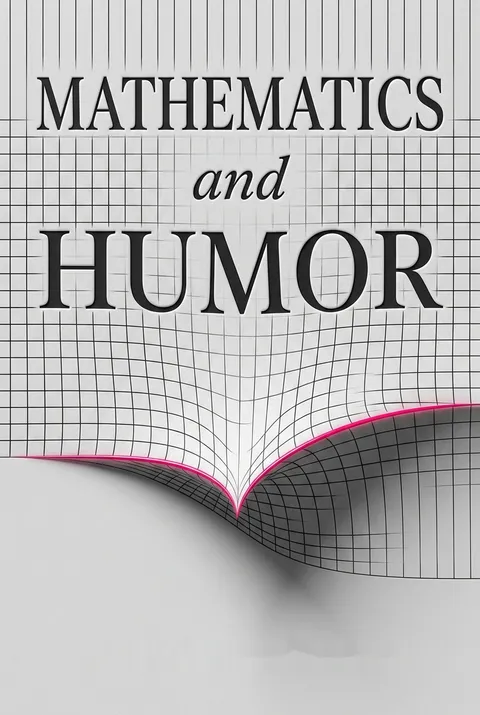

أهم النقاط
1. الفكاهة تنبع من عدم الاتساق والسياق النفسي
"يبدو أن هناك عنصرين — وهما عدم الاتساق الملحوظ الذي يحمل مغزى معينًا، والمناخ العاطفي المناسب — ضروريان وكافيان معًا لخلق الفكاهة."
تعريف جوهر الفكاهة. الفكاهة ظاهرة نفسية معقدة تتطلب عنصرين حاسمين: تجاور غير متوقع للأفكار، وجودة الغلاف العاطفي المحيط بها. ويشير هذا التعريف إلى أن الفكاهة لا تقتصر على الغرابة العشوائية فحسب، بل تتعلق بالروابط غير المتوقعة ذات المغزى التي تتردد أصداؤها داخل سياق نفسي معين.
تنويعات عدم الاتساق. يمكن لعدم الاتساق أن يتجلى بطرق متعددة، تشمل ما يلي:
- التوقع في مقابل المفاجأة
- التفسيرات الآلية في مقابل التفسيرات الروحية
- ديناميكيات التفوق في مقابل عدم الكفاءة
- التوازن في مقابل المبالغة
- اللياقة في مقابل الابتذال
الفروق النفسية الدقيقة. إن المناخ العاطفي المحيط بالفكاهة لا يقل أهمية عن عدم الاتساق نفسه. ويمكن أن ينطوي هذا المناخ على عدوانية خفيفة، أو رضا عن الذات، أو حب اللعب والمرح، أو التخلص من القلق، مما يظهر التعقيد النفسي العميق للفكاهة.
2. المنطق الرياضي والفكاهة يتشاركان في تشابهات بنيوية
"إن كلًا من الرياضيات والفكاهة شكلان من أشكال اللعب الفكري، غير أن التركيز في الرياضيات ينصب أكثر على الجانب الفكري، بينما ينصب في الفكاهة أكثر على جانب اللعب."
المرح الفكري. تتشارك الرياضيات والفكاهة في خصائص بنيوية أساسية، بما في ذلك الجمع الإبداعي بين الأفكار، والتركيز على البراعة، وتقدير التحولات الذكية. ويتضمن كلا المجالين التلاعب بالأنظمة الراسخة بطرق غير متوقعة.
الخصائص المشتركة:
- الإيجاز في التعبير
- التعرف على الأنماط المنطقية
- التلاعب بالقواعد البنيوية
- الاستمتاع بالروابط غير المتوقعة
- تقدير الحلول الأنيقة
حل المشكلات بطرق إبداعية. ينخرط كل من علماء الرياضيات وصناع الفكاهة في تفكير إبداعي يتضمن كسر الأنماط التقليدية، والكشف عن البنى التحتية من خلال وجهات نظر غير متوقعة، والعثور على المتعة في الاكتشاف الفكري.
3. الإشارة إلى الذات والمفارقة أساسيان في الفكاهة
"إن تذوق الفكاهة — بل وحتى إدراكها — يتطلب مهارات بشرية من أرقى طراز."
الإدراك فوق المعرفي. غالبًا ما تتضمن الفكاهة القدرة على إدراك مستويات متعددة من المعنى في آن واحد، مما يتطلب مهارة معرفية متطورة للابتعاد خطوة إلى الوراء وتحليل الموقف من زوايا مختلفة. وتخلق عناصر الإشارة إلى الذات طبقات معقدة من التفسير.
الآليات المفارقة:
- النكات التي تشير إلى نفسها
- المواقف ذات التفسيرات المتناقضة
- التواصل الفوقي الذي يتحدى المعنى المباشر
- التحولات اللغوية والمنطقية المعقدة
التعقيد المعرفي. يتطلب فهم الفكاهة التنقل عبر مساحات دلالية متشابكة، وإدراك المعاني الضمنية، والانتقال السريع بين أطر التفسير المختلفة. وتوضح هذه العملية المرونة الفائقة للإدراك البشري.
4. اللغة والقواعد تمكنان من إحداث تحولات فكاهية
"عادة ما تُصنف الكلمات (والعبارات) إلى مجموعات من الكلمات التي 'تنتمي إلى بعضها البعض' لسبب أو لآخر."
المرح اللغوي. توفر اللغة فرصًا متعددة للفكاهة من خلال تلاعبات قواعدية ودلالية متنوعة. وتخلق التورية، والجناس الناقص، وغيرها من الأساليب اللغوية الفكاهةَ من خلال الكشف عن روابط غير متوقعة بين مجموعات دلالية مختلفة.
تقنيات الفكاهة:
- استغلال الجناس التام والناقص
- التباين بين التفسير الحرفي والتفسير المجازي
- التبديلات النحوية
- تقاطعات الصوت والمعنى
- التحولات الدلالية المعتمدة على السياق
الإبداع في التواصل. تكشف الفكاهة عن المرونة المذهلة للغة، وتوضح كيف يمكن للتغييرات الطفيفة في البنية أو السياق أن تولد معانٍ واستجابات عاطفية جديدة تمامًا.
5. نظرية الكوارث تقدم نموذجًا رياضيًا للفكاهة
"تجمع كارثة الانطواء بين نظرية عدم الاتساق المعرفي والنظريات النفسية المختلفة للفكاهة مع نظرية التنفيس عن الضحك — كل ذلك في نموذج واحد موجز."
الاستعارة الرياضية. تقدم نظرية الكوارث إطارًا رياضيًا متطورًا لفهم الديناميكيات النفسية المعقدة للفكاهة، مظهرة التحولات التفسيرية المفاجئة وتحرير الطاقة العاطفية.
مبادئ النمذجة الرئيسية:
- تحولات التفسير
- تحول الطاقة العاطفية
- العمليات المعرفية غير المتصلة
- توليد المعنى المعتمد على السياق
- التغيرات السريعة في وجهات النظر
رؤية عابرة للتخصصات. من خلال تطبيق النماذج الرياضية على الظواهر النفسية، نكتسب فهمًا أعمق للآليات المعرفية المعقدة للفكاهة.
6. الفكاهة تكشف عن التعقيد المعرفي والثقافي
"تعتبر الثقافات، والثقافات الفرعية، والأفراد في السياقات المختلفة أن الأفعال، والمواقف، ومجموعات الصفات المختلفة، وما إلى ذلك، غير متسقة."
النسبية الثقافية. تضرب الفكاهة بجذورها عميقًا في السياقات الثقافية، حيث يختلف ما يُعتبر مضحكًا بشكل كبير باختلاف المجموعات الاجتماعية والتجارب الفردية.
العوامل السياقية:
- خصوصيات اللغة
- الأعراف الثقافية
- منظورات الثقافات الفرعية
- التجارب التاريخية
- التكوين النفسي الفردي
التواصل الاجتماعي. تعمل الفكاهة كنمط معقد من التفاعل الاجتماعي، حيث تكشف عن التوترات الثقافية الكامنة، وديناميكيات القوة، والفهم المشترك.
7. مستويات المعنى تخلق الإدراك الفكاهي
"إن الفكاهة، وإن كانت تستخدم أدوات شكلية، تعتمد في نهاية المطاف على حساسية المرء للتفاعل بين مختلف 'مستويات' المعنى."
الفهم متعدد الطبقات. تنشأ الفكاهة من القدرة على إدراك مستويات تفسيرية متعددة والتنقل بينها في آن واحد، مما يتطلب مرونة معرفية متطورة.
أبعاد المعنى:
- المستويات العاطفية
- البنى اللغوية
- السياقات الثقافية
- التجارب الشخصية
- التفسيرات الضمنية في مقابل التفسيرات الصريحة
الرقي المعرفي. إن القدرة على إدراك الفكاهة والاستمتاع بها تظهر قدرات فكرية بشرية مذهلة، تنطوي على معالجة دلالية وعاطفية سريعة.
ملخص المراجعات
تلقى كتاب الرياضيات والفكاهة مراجعات متباينة، بمتوسط تقييم بلغ 3.43 من 5. وقد أبدى الكثير من القراء تقديرهم لمحاولة باولوس تطبيق المفاهيم الرياضية على الفكاهة، ولا سيما استخدامه لنظرية الكوارث. كما نال إيجاز الكتاب وتحليله العميق لبنية الكوميديا استحسانًا واسعًا؛ فبينما وجده البعض محفزًا للفكر، شعر آخرون أنه مفرط في التقنية أو يفتقر إلى العمق الكافي. وبشكل عام، كان القراء ذوو الخلفيات الرياضية القوية أكثر استمتاعًا بالكتاب. وأشار النقاد إلى عدم اتساق نبرة الكتاب، والصعوبة التي واجهها أحيانًا في تحقيق التوازن بين التفسيرات الرياضية وتلك الموجهة لغير المتخصصين. وإجمالًا، نُظر إلى الكتاب بوصفه استكشافًا ممتعًا، وإن كان موجهًا لفئة محددة، للفكاهة من منظور رياضي.
الأسئلة الشائعة
1. What’s "Mathematics and Humor" by John Allen Paulos about?
- Explores the relationship: The book investigates the deep connections between mathematical thinking and the structure of humor, showing how logic, pattern, and structure underlie both.
- Surveys humor theories: Paulos reviews historical and philosophical theories of humor, from Aristotle and Freud to modern cognitive psychology.
- Mathematical models of jokes: He introduces mathematical concepts—like axioms, iteration, self-reference, and catastrophe theory—to analyze how jokes work.
- Blends disciplines: The book bridges mathematics, linguistics, philosophy, and psychology to provide a unique, interdisciplinary perspective on why things are funny.
2. Why should I read "Mathematics and Humor" by John Allen Paulos?
- Unique perspective: It offers a rare and engaging look at humor through the lens of mathematics, appealing to both math enthusiasts and those interested in comedy.
- Deepens understanding: Readers gain insight into the mechanics of jokes, puns, and paradoxes, and how they relate to logical and mathematical structures.
- Accessible explanations: Paulos makes complex mathematical ideas approachable, using humor and real-world examples to illustrate abstract concepts.
- Broader implications: The book encourages readers to see connections between creativity in mathematics, humor, and even scientific revolutions.
3. What are the key takeaways from "Mathematics and Humor" by John Allen Paulos?
- Incongruity is central: Most humor arises from the juxtaposition of incongruous ideas or interpretations, a concept that parallels mathematical problem-solving.
- Structure matters: Jokes, like mathematical proofs, rely on economy, cleverness, and logical structure for their effectiveness.
- Formal analogues: Mathematical concepts such as axioms, levels, iteration, and self-reference provide useful frameworks for analyzing different types of humor.
- Catastrophe theory metaphor: The abrupt switch in interpretation at a joke’s punchline can be modeled using mathematical catastrophe theory, offering a visual metaphor for the structure of humor.
4. How does John Allen Paulos define humor in "Mathematics and Humor"?
- Two key ingredients: Humor requires a perceived incongruity with a point, and an appropriate emotional climate.
- Incongruity explained: This involves the simultaneous perception of two or more incompatible ways of viewing a situation, statement, or person.
- Emotional climate: The right psychological context—often playful, sometimes aggressive or self-satisfied—is necessary for something to be funny.
- Not just surprise: While surprise is important, the incongruity must be meaningful and noticed, and the audience must be receptive.
5. What are the main theories of humor discussed in "Mathematics and Humor" by John Allen Paulos?
- Superiority theory: Traces back to Hobbes, suggesting humor comes from feeling superior to others, often present in disparagement or "sick" jokes.
- Incongruity theory: Emphasized by Beattie, Kant, and Schopenhauer, positing that humor arises from the perception of incongruity or the unexpected.
- Relief/release theory: Associated with Spencer and Freud, proposing that laughter releases surplus psychic energy, often related to repressed feelings.
- Social and regulatory aspects: Meredith and others note humor’s role in correcting social excesses and reinforcing group values.
6. How does "Mathematics and Humor" by John Allen Paulos connect mathematics and humor?
- Intellectual play: Both mathematics and humor involve playful manipulation of ideas, patterns, and structures for their own sake.
- Logic and structure: Jokes often use logical techniques like reductio ad absurdum, paralleling mathematical proofs.
- Economy and elegance: The effectiveness of both jokes and mathematical arguments depends on brevity, clarity, and cleverness.
- Shared operations: Concepts like axioms, iteration, and self-reference are common to both fields and help explain joke patterns.
7. What is the role of axioms, levels, and iteration in humor according to "Mathematics and Humor"?
- Axioms as joke setup: The premises or "axioms" of a joke set up expectations, which are then subverted by the punchline.
- Levels and metalevels: Understanding a joke often requires moving to a metalevel, where multiple interpretations can be compared—mirroring mathematical distinctions between object-level and metalevel statements.
- Iteration and repetition: Repetition of rules, traits, or patterns (iteration) is a key device in both humor (e.g., running gags, comedic personas) and mathematics.
- Independence and ambiguity: Some jokes, like certain mathematical statements, are "independent"—their meaning or resolution depends on context or interpretation.
8. How does self-reference and paradox contribute to humor in "Mathematics and Humor" by John Allen Paulos?
- Self-referential jokes: Jokes that refer to themselves or their own structure (e.g., "This sentence is false") create paradoxes that can be humorous.
- Modal and Russell jokes: Humor often arises when the form of a statement contradicts its content, or when self-reference leads to logical loops (as in Russell’s paradox).
- Metalevel awareness: Appreciating these jokes requires the ability to step outside the immediate context and see the joke from a higher perspective.
- Paradox as play: The mental oscillation caused by paradoxes (true if false, false if true) mirrors the cognitive tension and release found in humor.
9. What is the catastrophe theory model of jokes in "Mathematics and Humor" by John Allen Paulos?
- Catastrophe theory basics: Catastrophe theory describes sudden, discontinuous changes in systems, which Paulos uses as a metaphor for the punchline of a joke.
- Cusp catastrophe: The model visualizes a joke as a path on a surface where a small change (the punchline) causes a sudden switch in interpretation or emotional state.
- Ambiguity and release: The buildup of incongruity is represented by movement along the surface, and the punchline triggers a "catastrophic" drop—akin to laughter or realization.
- Explains timing and structure: The model accounts for why timing, buildup, and the order of information are crucial for a joke’s effectiveness.
10. How does "Mathematics and Humor" by John Allen Paulos analyze puns, grammatical humor, and misunderstandings?
- Puns as intersections: Puns are analyzed as words or phrases that belong to two different "universes of discourse," forcing the mind to hold incongruous meanings together.
- Grammatical transformations: Spoonerisms, chiasmus, and other grammatical manipulations create humor by rearranging familiar structures in unexpected ways.
- Ambiguity and deep structure: Drawing on transformational grammar, Paulos shows how jokes exploit ambiguous surface structures that can be interpreted in multiple ways.
- Philosophical humor: Misunderstandings often arise from confusing the logic or grammar of statements, a theme explored through examples from Lewis Carroll and Wittgenstein.
11. What does "Mathematics and Humor" by John Allen Paulos say about the relativity and universality of humor?
- Cultural relativity: What is considered incongruous or funny varies across cultures, subcultures, and contexts, as standards of appropriateness differ.
- Universal structures: Despite content differences, the underlying structures of humor—such as incongruity, ambiguity, and sudden resolution—are largely universal.
- Social function: Humor can reinforce group values, challenge authority, or provide a means for outsiders to critique dominant cultures.
- Limits of universality: Some incongruities (e.g., basic logical or mathematical violations) are nearly universal, while others are highly context-dependent.
12. What are the best quotes from "Mathematics and Humor" by John Allen Paulos and what do they mean?
- "Both mathematics and humor are forms of intellectual play, the emphasis in mathematics being more on the intellectual, in humor more on the play."
This highlights the shared spirit of creativity and exploration in both fields, despite their different goals. - "A joke, as we have seen, depends on the perception of incongruity in a given situation or its description."
Paulos underscores the centrality of incongruity to humor, paralleling the surprise and insight found in mathematics. - "There is no theoretical account of humor that is not itself (on a higher level) somewhat funny and therefore incomplete."
A playful nod to Gödel’s incompleteness theorem, suggesting that any attempt to fully explain humor will itself become part of the joke. - "Much of the present book in fact is, as I wrote in chapter 1, a development of [Koestler’s] thesis in the case of mathematics, considered as an art, and of humor, especially cognitive humor."
Paulos aligns his work with the idea that creativity in humor and mathematics shares a common logical structure.
عن المؤلف
كتب أخرى لـ جون ألين باولوس
تحميل PDF
تحميل EPUB
.epub digital book format is ideal for reading ebooks on phones, tablets, and e-readers.








































